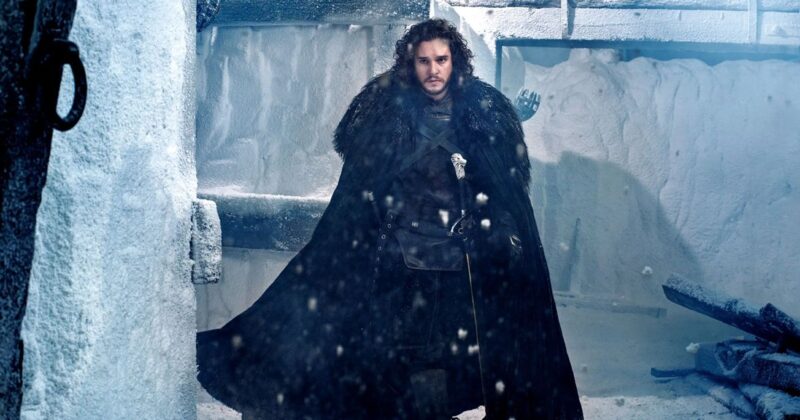
The Polarizing Fate of Jon Snow in Game of Thrones
There are few characters in modern television who sparked as much investment—and division—as Jon Snow. Across the sprawling narratives and icy vistas of Game of Thrones, Jon Snow seemed set up to play a pivotal role not only in the physical battles for Westeros but as a figure of deep mythic significance. The final season, however, left millions feeling disillusioned with a character arc that, after years of relentless hardship and hinted destiny, closed on a note that felt both rushed and deflating.
What Went Wrong With Jon Snow’s Arc?
From the earliest episodes, Jon Snow embodied the underdog we all root for. A bastard, denied acknowledgment and power, he steadily rose through sheer determination and innate leadership to wield enormous influence. Each promotion—Lord Commander, then King in the North, and eventually heir to the Iron Throne—promised a seismic payoff. Yet, despite the resurrection that screamed of cosmic purpose, Jon Snow’s triumph never truly arrived.
Instead, what viewers received was a chain of pivotal plot threads—his Targaryen heritage, the prophecy of Azor Ahai, the fate of the Night King—all whittled down to a single act: the killing of Daenerys Targaryen after her sudden transformation into a tyrant. Jon’s reward? Exile beyond the Wall, suggesting a circular journey that ended where it began. This resolution, after seasons of build-up, left fans yearning for a redemptive continuation or explanation.
George R.R. Martin’s Books: The Hope for a Worthy Ending
Unlike the completed TV series, the literary saga that inspired it—A Song of Ice and Fire—remains tantalizingly unfinished. The books have diverged from the show in countless ways, with author George R.R. Martin publicly stating his intent to chart an independent course for his ending. The last published novel concluded with Jon’s death, yet all narrative signs point to his imminent return and a destiny still shrouded in mystery.
Crucially, the books have emphasized a collective prophecy involving Jon, Daenerys, and a third Targaryen, amplifying the sense that Jon’s legacy is far from resolved. With Winds of Winter still anticipated, readers and fans alike continue to speculate: could Jon embody the leader Westeros always needed, or perhaps a symbol for the cataclysmic changes to come?
The Promise—And Uncertainty—Of a Jon Snow Spinoff
Amid fan petitions and industry rumors, talk of a Jon Snow-centric spinoff has circulated since the original finale. Conceptually, a series focusing on Jon’s post-exile life—his choices, his relationship with the remnants of the Night’s Watch, and whatever new threat looms beyond the Wall—could fill the gaps left by the show. It offers fertile ground to explore the emotional cost of heroism and unfinished business with magic, prophecy, and identity.
Yet, this possibility comes with real-world challenges. Kit Harington, who defined the role, has been vocal about the toll the series took on him, making a return uncertain. Any extension would inevitably engage with the contentious end of the original series, risking further polarization if not handled with fresh creative vision.
The Legacy of Jon Snow Hinges on Future Storytelling
For now, Jon Snow inhabits a rare space in contemporary storytelling—a character both beloved and unresolved, emblematic of the ways sprawling stories can struggle to reconcile mythic expectations with human payoff. Whether through the pen of George R.R. Martin or a new interpretation on screen, the saga of Jon Snow remains both a cautionary tale and a beacon of potential. Fans, many still haunted by unmet expectations, maintain a cautious hope that Jon’s greatest moment could still be ahead, waiting beyond the final page or post-credits scene.