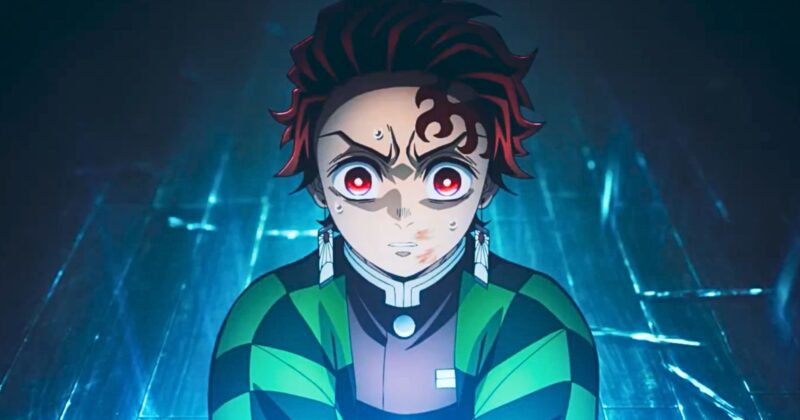
The Global Phenomenon: Demon Slayer’s Infinity Castle Bids Farewell to Cinemas
Demon Slayer: Kimetsu no Yaiba has left another indelible mark on anime history with the dazzling theatrical run of its highly anticipated Infinity Castle chapter. This cinematic giant stormed the box office and ignited conversation across continents, blending breathtaking animation from Ufotable with dazzling fight sequences and emotional storytelling. As Infinity Castle bows out from theaters, the move signals more than just the close of a chapter—it’s a pivotal moment for both the franchise and the modern anime industry.
A Box Office Masterclass: How Infinity Castle Dominated Theaters
From its premiere, Infinity Castle drew immense attention for its ambitious scale. This wasn’t just another anime film; it represented a watershed for anime as mainstream spectacle. Over an extended run in Japanese cinemas, Infinity Castle pulled in more than $250 million domestically and soared to $739 million worldwide. The success was no accident. Repeat viewings, releases in premium formats like ScreenX, and strategic special editions all fueled its presence, ensuring that even after its initial wave, the film reemerged in theaters to packed shows.
With a theatrical window stretching for nearly nine months, Infinity Castle became a rare box office marathoner. In a climate where most big releases disappear within weeks, Demon Slayer’s staying power hints at a dedicated fanbase and the ability to draw in both longtime enthusiasts and first-time watchers alike.
Home Streaming Release Ushers in a New Era
With the curtain closing on its cinematic spectacle, the next chapter for Infinity Castle is here: its long-anticipated release on streaming platforms and home formats. For international fans, many of whom only caught whispers of the film during its extended exclusive run in Japanese theaters, this is a seismic event. The end of its theater window unlocks global access, making it possible for fans from all corners to experience—and re-experience—Tanjiro’s latest saga from their own screens.
The shift marks significant cultural impact as streaming platforms look to capitalize on the massive momentum built during Infinity Castle’s box office reign. Expect a sharp spike in social buzz and renewed debates across forums as viewers digest some of the arc’s biggest twists and revelations. For newcomers and seasoned fans alike, Infinity Castle’s streaming availability means the journey is just beginning.
What’s Next for the Infinity Castle Trilogy?
With Infinity Castle now a legend of cinematic anime, attention has swiftly turned to the next piece of the puzzle: the trilogy’s second chapter. While whispers of a rapid turnaround circulated online, current updates make it clear that patience will be required. The sequel is currently marked as a ‘future project’ by Ufotable, pushing any expectations of release past 2026.
This period of anticipation has become a recurring theme for blockbuster anime and reflects broader industry trends—where animation studios carefully balance narrative quality, production values, and fan demand. For Demon Slayer, the drawn-out wait isn’t just a delay; it’s evidence of a series determined to deliver on its promises with cinematic flair.
The New Legacy of Demon Slayer
Infinity Castle’s exit from cinemas is not just a nostalgic milestone; it is a testament to how far anime, and Demon Slayer in particular, has come. With the move to streaming, the franchise’s reach will only broaden, making this transition a historic cultural event for the fandom. Meanwhile, expectations quietly build for the next eruption of action, emotion, and spectacle when the trilogy’s story continues.
For now, Demon Slayer: Kimetsu no Yaiba Infinity Castle stands as a monument to the power of anime storytelling in the modern era—a benchmark that future adaptations, both in film and streaming, will be measured against. Fans everywhere remain tuned in, waiting for what’s next not just for Tanjiro, but for the entire landscape of anime cinema.