‘Mermaid’: A Surrealist Horror Comedy That Paints Florida in Vivid Colors but Lacks Emotional Depth

Mermaid: An Offbeat Dive Into Florida’s Absurdity
Mermaid sets itself apart as one of the most peculiar entries in recent cinema, blending surrealist horror and offbeat comedy with the wild energy of urban legends straight from the depths of Florida. The film, directed by Tyler Cornack, refuses to play by the usual genre rules, taking viewers on a ride that’s as visually striking as it is emotionally polarizing.
Florida On-Screen: A Character in Its Own Right
While many contemporary films opt for desaturated palettes to convey mood, Mermaid dives in the opposite direction. The depiction of Florida bursts with radiant, saturated hues, turning every frame into a sun-drenched, neon-soaked fever dream. This visual signature isn’t just cosmetic; it reinforces the state’s chaotic reputation and mirrors the vibrant, unpredictable spirit that has become synonymous with the «Florida Man» internet phenomenon.
Much like how Gotham becomes a living, breathing entity in the latest DC adaptations, Florida here is more than a setting—it’s a force shaping and challenging the characters. The film’s world-building is meticulous, allowing the state’s sunlit charm and lurking menace to become ever-present aspects of the story. The beach, swamps, and trailer parks pulse with their own distinct rhythm, grounding the fantasy with an unmistakable sense of place.
Surreal Comedy & Genre-Hopping Storytelling
The narrative centers on Doug, portrayed by Johnny Pemberton, an addict whose isolation is interrupted by the arrival of an injured mermaid. Set adrift at his life’s nadir, Doug’s initial indifference transforms as he becomes her unlikely protector. Yet, underneath the fantastical premise lies a biting satire, more akin to Cornack’s earlier cult hits like Butt Boy and Tiny Cinema than any conventional horror-comedy. The film relishes in absurd scenarios, pulling from internet folklore and local mythos to create moments both wild and bizarre.
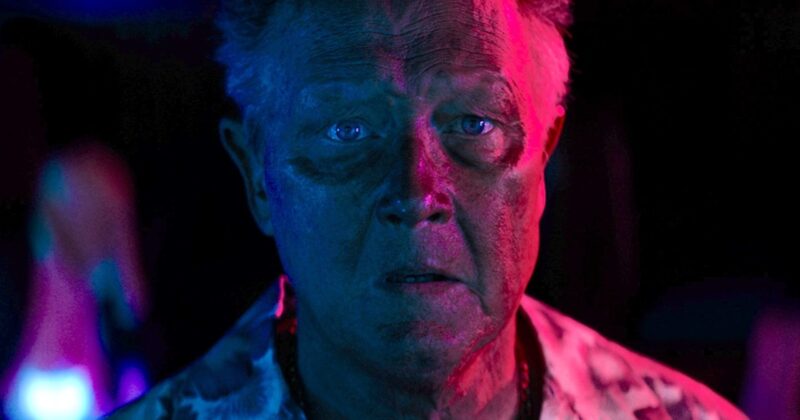
Pemberton’s performance oscillates between sympathetic and infuriating, reflecting the contradictions of his character. His natural charisma, previously seen in genre series like Fallout, is constantly at odds with Doug’s spirals of self-sabotage. The most memorable supporting turn comes from Robert Patrick as Ron, bringing a gruff levity to the proceedings that complements the film’s surreal tone.
Aesthetic Triumphs vs. Emotional and Narrative Stagnation
Despite its impressive visuals and bold narrative swings, Mermaid stumbles where it matters most: keeping the audience genuinely invested. The movie never pretends to be an action-packed escapade; instead, it prioritizes atmosphere and existential unease over plot twists or emotional resonance. As Doug navigates his grief and self-destruction, the film seems poised to offer a modern riff on the «siren song» myths—men lured to peril by mysterious sea creatures. Yet, for all its potential and flashes of inspiration, the story rarely taps into the psychological depths needed to fully sell that descent.
Many viewers may find the pace grueling, with stretches that lean heavily into discomfort and ennui rather than narrative propulsion. Doug’s journey is often more frustrating than intriguing, and despite the intriguing setup, the payoff feels muted. There was ample room for the film to explore more inventive or emotionally charged directions, especially given its surreal concept and cultural underpinnings.
Pushing the Boundary of Genre Cinema
What Mermaid ultimately delivers is a visually distinctive but narratively uneven experience. The juxtaposition of a technicolor Florida and the dark misadventures of its protagonist offers something rare in cinema: a film unafraid to be divisive, weird, and artistically committed. For fans of alternative genre fare and lovers of on-screen experimentation, it stands as a curious case study of where horror, comedy, and regional storytelling collide.