Ranking the MCU Multiverse Saga Villains: Power, Performance & Pop Culture Impact

The Evolving Roster: MCU Multiverse Saga Villains Ranked
The Marvel Cinematic Universe’s Multiverse Saga has unleashed a storm of new villains—some unforgettable, others less so. The balance between ambitious storytelling and character depth has often wavered, resulting in antagonists that shine or stumble, sometimes within the same project. Let’s dive into the most interesting and notorious villains from this era, seeing where they stand in terms of performance, pop culture impact, and the narrative weight they bring to Marvel’s grand experiment.
Kro: A Missed Opportunity
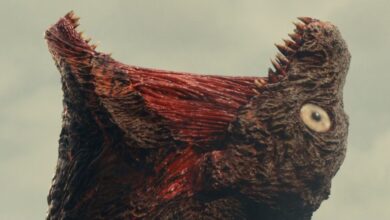
Kro, the monstrous Deviant from Eternals, was poised to be a major threat. With Bill Skarsgård lending his vocal talents, expectations were high, yet the film barely gave him room to exist beyond a standard CGI antagonist. Even in a saga known for risks, Eternals’ attempt at blending Marvel bravado with arthouse style left Kro generic and easily forgotten.
Dar-Benn: Neglected by the Spotlight
In The Marvels, Dar-Benn was introduced as a Kree revolutionary, determined to restore her ravaged homeworld. On paper, her motivation had the makings of a relatable anti-hero. In execution? She blended in with a crop of MCU villains defined more by dramatic speeches than by distinct personality or development. Dar-Benn’s arc is a reminder that powerful motives alone aren’t enough; they need breathing space in the script to come alive.
Gravik: From Crossover Legend to TV Villain
There was much anticipation when Secret Invasion tackled one of Marvel’s historic comic events. Kingsley Ben-Adir’s Gravik should’ve been a saga-defining threat. Instead, uneven writing reduced him to a by-the-numbers adversary in a miniseries that never paid off its intricate intrigue. Marvel’s attempt at a gritty espionage thriller gave us a Skrull with layers—just not enough time to peel them back.
Taskmaster: Underused Abilities
Black Widow finally appeared after years of delays, bringing Taskmaster to the big screen. A shape-shifting mimic with the potential to best any Avenger, Taskmaster could have been a franchise-defining villain. Unfortunately, the plot moved too swiftly past the character’s complexity, making Taskmaster’s fight choreography more memorable than any personal stakes.
Red Hulk: Trailer Hype and Narrative Confusion
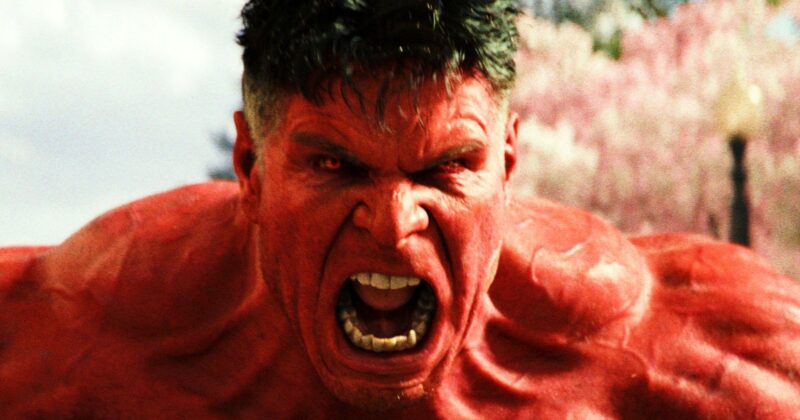
Expectations soared when Red Hulk was confirmed for Captain America: Brave New World, especially with Harrison Ford in the role. However, much of the Red Hulk’s impact was dulled in advance through relentless trailer reveals and script rewrites, leaving the character’s presence on-screen surprisingly fragmented. Even with Ford’s natural charisma, the lasting appeal was lost in translation.
Kang: The Multiverse’s Missed Titan
Kang was crafted to be the next major threat after Thanos, destined to shake the multiverse to its core. Yet, the character struggled to capture that same gravity or relatability. Despite plans for Kang to anchor Avengers: Doomsday, fans never truly saw the existential dread translated—especially not after Ant-Man bested him early on.
Infinity Ultron: Animated Ambition
In What If…?, Infinity Ultron emerged as a chilling vision of what could happen if Ultron combined with the Infinity Stones. The animated series delivered wild multiversal stakes, providing a fresh villain driven by mechanical logic rather than messy emotions. This made for bold narratives but left room for emotional connection wanting.
The Scarlet Witch: Horror and Heartbreak
Wanda Maximoff’s transformation into the primary antagonist in Doctor Strange in the Multiverse of Madness was controversial—and captivating. Elizabeth Olsen leaned heavily into Sam Raimi’s campy horror style, embracing the monstrous extremes of Scarlet Witch. While it reduced some of Wanda’s previous emotional complexity, Olsen’s performance played delightfully into classic horror tropes that delighted longtime fans of Raimi—and those with a taste for the uncanny.
Galactus: The Celestial Spectacle
The Fantastic Four’s most infamous foe, Galactus, finally entered the MCU as a cosmic force rather than a traditional villain. Actor Ralph Ineson portrayed Galactus with a detached curiosity, presenting him not as an evil overlord, but a being whose motivations are as vast and unknowable as the universe itself. Fans of cosmic horror and classic comics were satisfied, even if this Galactus brought more spectacle than personal menace.
Gorr the God Butcher: Pathos Amidst Absurdity
Thor: Love and Thunder offered Christian Bale as Gorr, a villain full of depth, pain, and motivation. Unfortunately, the film’s tonal shifts—ranging from heartfelt to slapstick—meant Gorr’s poignant journey often felt sidelined. Still, Bale imbued every scene with gravitas, making Gorr an emotionally rich contrast to the movie’s wilder moments and a standout in the continuing evolution of MCU villains.
The Multiverse Saga’s approach to villainy has been a case study in risks and rewards. These antagonists—whether celebrated or criticized—have all left a mark on the ever-expanding Marvel universe, pushing boundaries in live-action and animation alike, and hinting at even greater showdowns to come.