Disney Villains Under the Microscope: What Psychology Reveals About Evil Queen, Jafar, Captain Hook & Ursula

Psychologists Dive Deep Into Disney Villains’ Minds
The sinister charm of Disney villains is more than just dazzling musical numbers and outrageous schemes. A recent analysis by therapist Jonathan Decker and filmmaker Alan Seawright peels back the animated layers of four legendary antagonists—Evil Queen, Jafar, Captain Hook, and Ursula—to understand the psychological nuance fueling their wickedness, reminding us how complex and human even the most notorious cartoon evildoers can be.
Captain Hook: Haunted By More Than Crocodiles
In Disney’s Peter Pan, Captain Hook epitomizes flamboyant villainy, but there’s deeper trauma beneath his bluster. Psychologists note a striking scene: Hook immobilized by terror as the crocodile—ever hungry for his remaining hand—lurks below his ship. This isn’t mere slapstick fear. Decker singles out symptoms of post-traumatic stress disorder (PTSD): intense panic, avoidance, and hypervigilance after a literal brush with death. The infamous incident where Peter Pan feeds his hand to the beast becomes the psychological anchor for Hook’s obsessive vendetta, moving him far beyond a one-note baddie into the realm of characters defined by their past trauma.
The Evil Queen: Spellbound by Appearance
The image of the Evil Queen consulting her magic mirror in Snow White is iconic. Yet, the scratching hunger in her voice goes beyond vanity. While narcissism is an easy label, Decker identifies the hallmarks of body dysmorphic disorder (BDD) in her: obsessive preoccupation with flaws, distorted self-image, and desperate validation-seeking. Her rivalry with Snow White isn’t just about jealousy—it’s about the Queen’s overwhelming perception of personal inadequacy. When others recognize Snow White’s beauty, it threatens the very core of the Queen’s self-worth, driving her ruthless actions.
Jafar: Consumed by Grandiosity
Within Aladdin, Jafar is the model of machiavellian ambition. Decker points to his narcissistic personality disorder: a grand sense of entitlement, obsession with power, and belief in his own exceptionality. Jafar’s decision to become an all-powerful genie is rooted in this delusion—his belief in his own significance blinds him to obvious, devastating consequences. It’s a cautionary tale echoed by countless pop-culture figures whose arrogance is their undoing, from Marvel villains to real-world icons toppled by hubris.
Ursula: The Master Manipulator
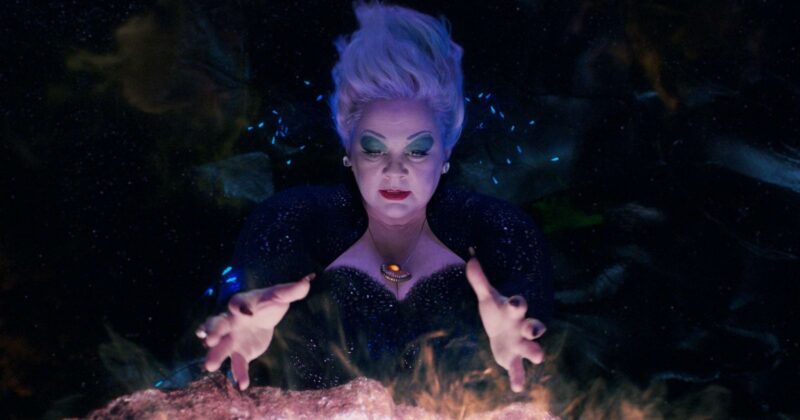
Turning to The Little Mermaid, Ursula’s captivating menace is dissected through the lens of antisocial personality disorder. Her manipulative contract with Ariel is not just a plot device—it highlights a chilling disregard for the feelings and rights of others. Decker underscores how Ursula’s performative empathy is a façade; she knows how to fake concern to achieve her ends, mirroring real clinical patterns. Her self-serving charisma and strategic cunning set the gold standard for animated villainy, echoing memorable foes from classic fairy tales to modern psychological thrillers.
Why Villain Psychology Matters in Pop Culture
This in-depth psychological reading breathes new relevance into familiar films now streaming on official platforms like Disney+. By exploring the mental health struggles of these classic villains, the conversation widens—touching on real-world issues faced by millions, and challenging audiences to consider the roots of destructive behavior in ourselves and others.
Ultimately, these diagnoses don’t excuse villainy, but they enrich our understanding of these iconic characters—turning fairy tales into powerful mirrors for self-reflection and empathy in today’s world.