Inside ‘Rock Springs’: How Kelly Marie Tran and Vera Miao Reinvent Horror Through Historic Trauma and Dual Timelines
The Living Past in ‘Rock Springs’: A New Vision for Horror
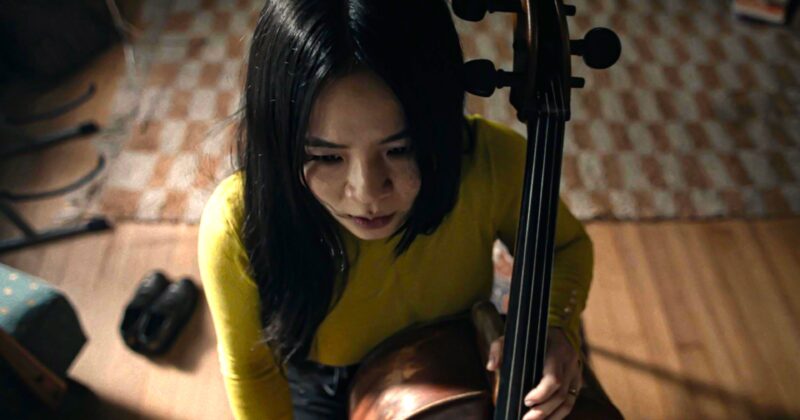
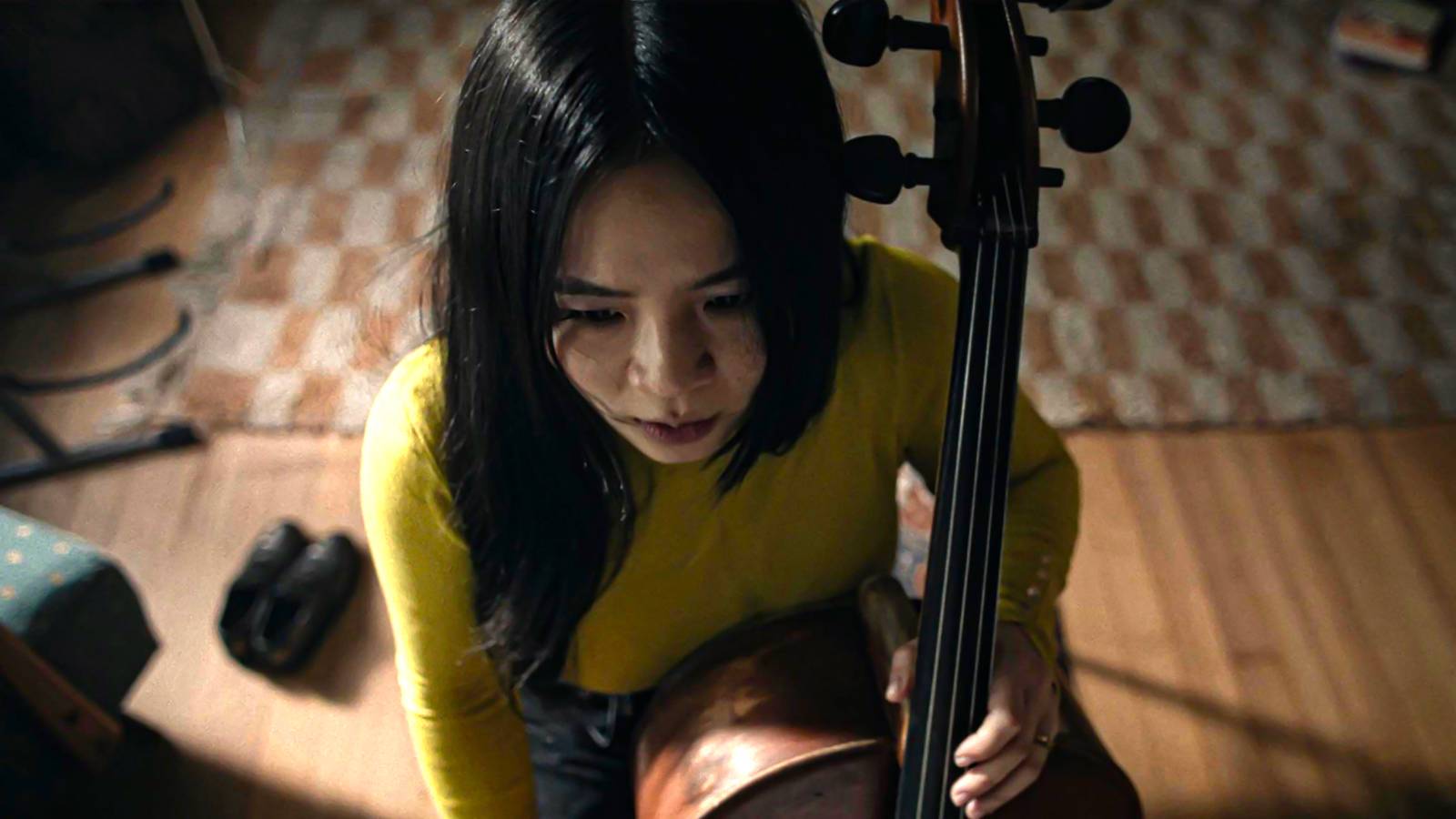
‘Rock Springs’ stands out not only as a new horror feature but as a poignant exploration of how history leaves imprints—sometimes scars—on the present. At its heart is Kelly Marie Tran, delivering a nuanced performance as Emily, a cellist struggling to hold her small family together after her husband’s death, while isolated in a remote house. With her daughter and a mother-in-law who speaks only Chinese, communication fractures, mirroring deeper generational and cultural rifts inside the home.
History as Haunting: The Choice of Dual Timelines
Unlike traditional supernatural thrillers, writer-director Vera Miao uses a dual-timeline approach to layer the story, weaving the struggles of Emily’s contemporary family with the experiences of two Chinese immigrant miners from nearly two centuries earlier. The parallel narratives fuse the supernatural with the deeply human, suggesting that the ghosts of the past are not just metaphors—they are forces that animate contemporary trauma. This technique is more than just structure; it’s a thematic declaration: in ‘Rock Springs’, the present is built atop the unresolved wounds of history.
Miao deliberately chose not to focus on historic events solely through the lens of victimization. Instead, she aims to humanize and foreground these early Chinese characters, making them central protagonists in their own right. «To bring them to life is how I could, within the film’s structure, show that history isn’t just past—the past lives with us, shapes us, and can intrude at any moment,» Miao asserts.
A Diaspora’s Fragmented Reality
The concept of diaspora and identity fragmentation pulses through every frame of ‘Rock Springs’. Miao, herself the child of immigrants, infuses the film with the emotional baggage of transgenerational movement: longing for home, the pain of not fully belonging, and the effort to reclaim a lineage partially erased by silence and distance. The film’s fractured timelines reflect this lived reality—no single, linear narrative can contain the complexities of diaspora and cultural inheritance.
The film’s present shows Emily and her family gripped by grief, their lives torn by loss and linguistic barriers, retreating to a house where a supernatural entity forces open even deeper wounds. Here, horror functions as metaphor but also literalizes the sense of haunting endemic to grief and displacement, making the abstract powerfully tangible.
Building a Cast and Bringing Forgotten Stories to Light
‘Rock Springs’ boasts a sharp ensemble including Benedict Wong (‘Weapons’), Jimmy O. Yang (‘Interior Chinatown’), Aria Kim, Fiona Fu, and Ricky He, masterfully grounding the high-concept narrative in authentic character work. Their involvement, paired with Miao’s genre-breaking direction, has helped the film garner critical acclaim since its premiere at major film festivals, where it currently holds a notable approval rating from critics.
At the film’s core is a desire to tell untold stories. Miao’s deep research into the true events involving early Chinese communities in America and her discovery of the Rock Springs massacre shaped the film. She sought not only to give voice to those erased from popular memory but to connect their experiences to the universal emotions of alienation, family struggle, and the urgent need for healing.
Collaboration Years in the Making
The creative alliance between Tran and Miao stretches back nearly a decade, stemming from shared discussions about identity and artistic purpose. Tran, moved upon first reading the script, felt compelled to embody its layered protagonist, highlighting her admiration for Miao’s bold thematic vision. Their long-term partnership underscores how personal connections and perseverance are often as essential to genre innovation as any technical trick or twist ending.
‘Rock Springs’ is more than just a horror film—it’s an intergenerational meditation on inheritance, reconciliation, and the echoes of the past that shape our lives in ways both spectral and material. For those who crave smart, socially-resonant genre storytelling, it’s a landmark addition to the evolving horror landscape.