The Evolution of Star Wars Villains: From Vader to Maul
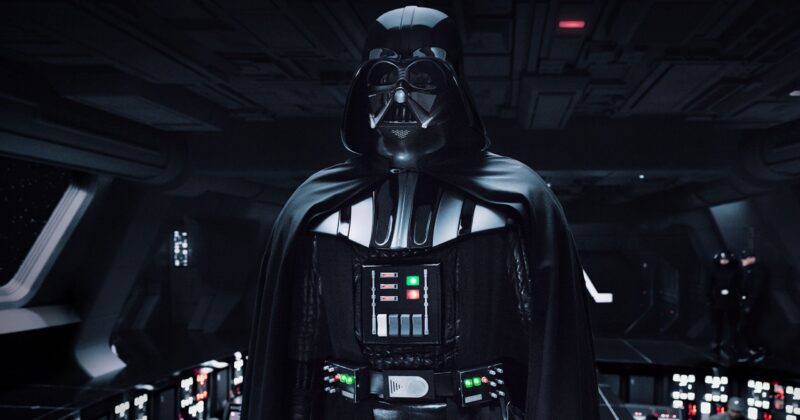
For decades, the image of Darth Vader looming over the Star Wars universe defined villainy not just in a galaxy far, far away, but across pop culture. His tragic arc, chilling mask, and the commanding resonance of James Earl Jones’ voice cemented him as cinema’s most imposing Sith Lord. Yet, decades and numerous Star Wars projects later, the landscape of evil within the franchise has shifted. Rising through the dense lore and evolving storytelling is another Dark Side icon: Maul.
The Ascent of Maul in Star Wars Canon
Originally introduced as the silent enforcer in The Phantom Menace, Maul’s initial impression was fierce but fleeting. However, animated series like The Clone Wars and Rebels expanded his mythos, peeling back layers that revealed a complex, morally ambiguous character. Now, the acclaimed show Star Wars: Maul – Shadow Lord brings Maul’s story into sharper focus and helps redefine what makes a Star Wars villain compelling in the eyes of a modern audience.
What Sets Maul Apart from Darth Vader?
Maul’s supremacy stems from his intricate and unpredictable journey. Unlike Vader, whose narrative arc aligns neatly with Anakin Skywalker’s tragedy and redemption, Maul is a tapestry of survival and retribution. Casting off the shackles of Sith orthodoxy, Maul’s path is one of personal vengeance and power struggles—his alliances are forged in necessity rather than loyalty.
This moral ambiguity places Maul at the heart of contemporary villainy. He is neither fully aligned with the Empire nor a mere pawn of greater evils. Throughout the animated chronology and into Shadow Lord, Maul oscillates between ruthless aggression and moments of empathy. Fans encountered this nuanced side notably when Maul seeks understanding and temporary peace with adversaries like Ahsoka Tano and Ezra Bridger. Unlike Vader’s binary fate, Maul’s decisions consistently blur the ethical boundaries between hero and villain, offering viewers a far more unpredictable foe.
Performance, Dialogue, and the Art of Fear
Voiced by Sam Witwer, Maul benefits from a dialogue-driven narrative absent from Vader’s minimalistic presence. His conversations pulse with threat and philosophy, elevating the character beyond brute intimidation. Shadow Lord takes full advantage of this, weaving dark poetry with every line Maul delivers.
Moreover, Maul’s status as a warrior is unmatched—his acrobatics and combat choreography in both live-action and animation far outshine the cumbersome, mechanical menace of Vader. The latest series amplifies this with meticulously animated duels and psychic battles that play to Maul’s strengths as both a physical and psychological adversary. He doesn’t just dominate with a lightsaber; he destabilizes with words, sowing doubt and manipulating loyalty.
The Modernization of the Star Wars Villain Archetype
What makes Maul resonate so strongly today is how he mirrors the evolution of the villain in pop culture storytelling. No longer confined to single motivations, modern antagonists are multifaceted, sometimes sympathetic, and open to interpretation. Maul’s enduring mission for power and vengeance, punctuated by unresolved grief and perpetually shifting alliances, creates a narrative magnetism that’s hard to rival.
With Star Wars: Maul – Shadow Lord delving deeper into these themes, the conversation among fans increasingly positions Maul not just as a dark mirror to the Jedi, but as the most compelling portrait of villainy the franchise has yet produced.
Legacy and Fandom
Interest in Maul surges with every new episode, with online forums and character breakdowns diving into the unique psychological tension he brings to the saga. The Shadow Lord series has especially shone a spotlight on the ways in which Maul’s manipulations, shifting allegiances, and relentless pursuit of revenge keep fans theorizing—echoing the unpredictable and ever-evolving nature of modern serialized storytelling.