Lobo’s Boldest Redesign Yet: DC’s Cosmic Biker Gets a Risky Makeover as Jason Momoa Teases Iconic Live-Action Debut

The Main Man Unleashed: Lobo’s Comic Book Reinvention vs. His Big-Screen Arrival
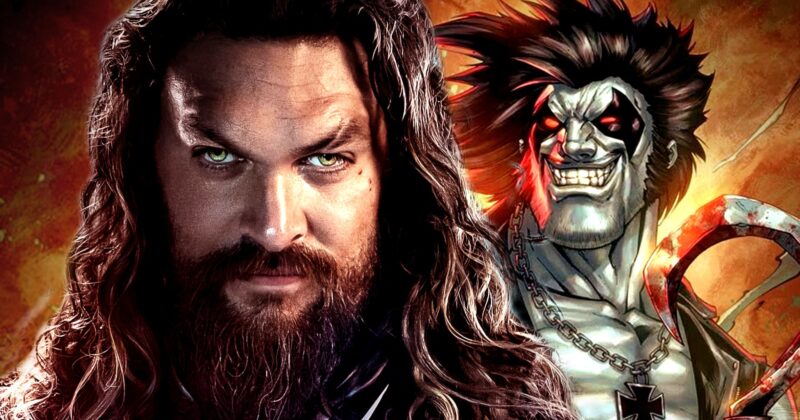
The anticipation for Jason Momoa’s turn as Lobo in the upcoming Supergirl movie trailer has electrified DC fans, especially those loyal to the wild, unfiltered energy that defines the Main Man. Momoa, already an icon as Aquaman, steps into Lobo’s boots with a look nearly ripped from classic comic panels—grungy leather, bold attitude, and a presence that’s part Mad Max, part metalhead antihero. In fandom circles, this is hailed as the most faithful casting and design for live-action Lobo ever attempted, a love letter to the antihero’s rowdy roots.
DC Comics Throws a Curveball: Lobo Like You’ve Never Seen Him
Just as the film adaptation prepares to stamp Lobo’s signature style onto the DC cinematic universe, the comics are taking a turn no one saw coming. In a twist of deliberate subversion, DC’s new ongoing Lobo series—courtesy of Skottie Young, Jorge Corona, and Jean-François Beaulieu—has tossed out Lobo’s legendary biker threads in favor of a flamboyant, almost satirical redesign. The current arc, recently previewed in the latest issue, reimagines Lobo as the centerpiece of an intergalactic reality TV spectacle. The catch? Major corporate sponsorship means a mandatory style overhaul.
Lobo’s new costume is a riot of colors and clash—a jarring blend of star-emblazoned armor, a bombastic mix of yellow, blue, black, and silver, topped off with a bell-shaped helm and menacing red visor. If the old Lobo looked like trouble at a dive bar, this new incarnation looks like he’s ready to audition for a cosmic wrestling federation.
Narrative Intent: Outrageous by Design
This isn’t a misguided attempt at modernization but a deliberate narrative move. The makeover is meant to be jarring, even ugly, deliberately pushing the character out of his comfort zone for both comedic and critical effect. The creative team plays with the clash between personal authenticity and the world of marketable spectacle—a smart commentary on how superheroes (and antiheroes) are packaged in the age of ultra-corporate entertainment.
Lobo’s acceptance of the look, motivated by a lucrative contract from Omni Omega+ Entertainment Corp., is pure Main Man—do what it takes if the pay’s right, even if it means looking absolutely ridiculous. It’s a bold choice, poking fun at the industry forces that polish and package icons for mainstream audiences while the core of the character stays mercenary and wild at heart.
Old School Meets New School: The Dual Fate of a Fan-Favorite
The irony is palpable. While Momoa readies a faithful cinematic Lobo, the comics explode expectations with a self-aware, over-the-top visual joke. This contrast isn’t unprecedented in comics; characters like Spider-Man and Wolverine have known wild reimaginings before finding their most iconic looks revived for movies and television.
Yet, for Lobo, a cult favorite with over four decades of history, seeing the classic and the experimental stand side by side is a rare treat. Fans get to witness two creative visions: one that preserves Lobo’s anarchic legacy for a new generation of moviegoers, and another that dares to drag him headlong into a satirical adventure about fame, fortune, and personal brand management.
Lobo’s Road Ahead: What This Means for the Character
The split between comic and cinematic portrayals isn’t a betrayal; it’s an experiment in narrative freedom—a reminder that in today’s comics, nothing is sacred, and every character is subject to reinvention. And with Lobo, that reinvention is always going to come with a rough edge and a smirk, be he a reality TV star in offbeat armor or a big-screen brawler who looks ready to plow through the DC Universe with a cigar and a sneer.