Naruto: The Most Devastating Origins Behind the Saga’s Iconic Characters

Naruto’s Bleakest Legends: Unraveling the Series’ Most Harrowing Backstories
When dissecting what sets Naruto apart in the world of anime and manga, few elements resonate as deeply as the profound suffering woven into its character narratives. Across generations, both fans and critics have returned to these storylines, drawn by the relentless pain and resilience that define some of the franchise’s most compelling shinobi and kunoichi. Tragedy in Naruto isn’t just a narrative device – it’s a foundation that shapes destinies and forges legends.
Naruto Uzumaki: Born in Isolation, Crowned in Hope
The series protagonist, Naruto Uzumaki, is the ultimate icon of perseverance. Marked early by the Nine-Tailed Fox (Kurama) sealed within him, Naruto’s childhood was defined by ostracism and involuntary solitude. The entire village held him at arm’s length, unable to separate the child from the beast within. Despite being burdened by a destiny he never chose, Naruto’s irrepressible optimism and relentless pursuit of acknowledgement allowed him to transcend his isolation and eventually become Hokage, symbolizing hope for a village—and a generation—that once feared him.
Karin Uzumaki: The Healer Scarred by Exploitation
Karin, a sensory ninja of the Uzumaki clan, endured a twisted upbringing marked by the constant abuse of her innate healing powers. Used as a tool from childhood, she was forced to heal others at the expense of her own well-being, echoing a tragic fate she shared with her mother. These endless cycles of pain left her craving validation from those who saw her as nothing beyond a resource. Karin’s journey stands out as an intimate portrait of how trauma can warp self-worth and drive unhealthy attachments—a raw theme not often explored with such candor in anime.
Haku: Innocence Corrupted by Fear
Introduced early in the saga, Haku‘s backstory is profoundly bleak. Orphaned after his father murdered his mother and then tried to end his life out of fear, Haku survives only to become a societal outcast due to his feared kekkei genkai (Ice Release). Under the mentorship of Zabuza, he finds a purpose, yet he is tormented by the belief that his only value lies in servitude. Haku’s end challenges viewers with the question of compassion versus utility—a recurring conflict in the shinobi world.
Tsunade: The Lost Pillar of Strength
One of the fabled Legendary Sannin and the Fifth Hokage, Tsunade has faced repeated, intimate losses that left permanent scars. Having lost her brother and lover during the brutal wars of her generation, she developed a crippling phobia of blood that forced her to abandon her calling as a medical ninja. Her reluctant return to leadership deepens the recurring tension in Naruto between service and self-preservation, marking Tsunade as both a powerful mentor and a tragic figure overwhelmed by her past.
Gaara: Forged in Sand and Loneliness
Gaara’s origin as the host of the One-Tailed Shukaku placed him on a path of relentless hardship. The death of his mother during his birth and the subsequent fear from his own father condemned Gaara to a life of attempted assassinations and utter deprivation of love or trust. The transformation from vengeful antagonist to noble leader of the Allied Shinobi Forces underscores a theme Naruto treats with nuance: even those born in darkness can find redemption, but not without scars.
Kakashi Hatake: The Weight of Survivor’s Guilt
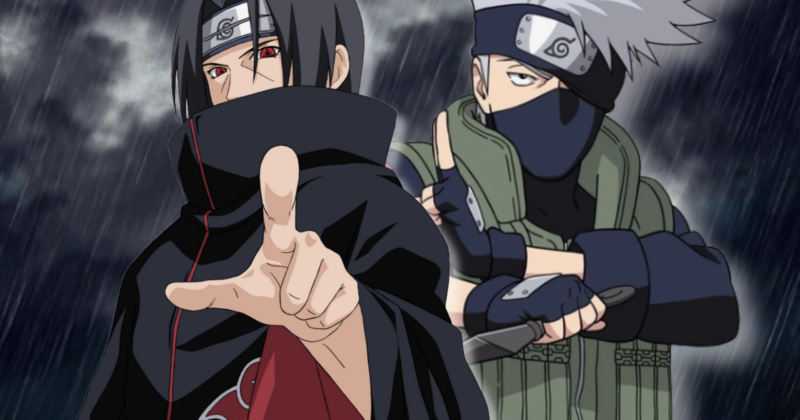
Both mentor and legend, Kakashi Hatake (the Copy Ninja) is etched by enduring psychological burdens. The suicide of his celebrated father and the relentless loss of comrades during the Third Shinobi World War left Kakashi enveloped in guilt and a cold sense of duty. His path from child prodigy to Sixth Hokage is not one of triumph, but of carrying the memories and regrets of those he couldn’t save—a testament to the subtlety with which Naruto examines the consequences of war on young heroes.
Kawaki: A Vessel Born from Brutality
As a standout figure in Boruto: Naruto Next Generations, Kawaki’s story brings a modern, more explicit exploration of trauma to the franchise. After being sold by an alcoholic father and subjected to physical and emotional torment by Kara, Kawaki’s sense of self is annihilated. His journey after being taken in by Naruto’s family is a raw exploration of healing and belonging. The Karma seal becomes more than a curse or power—it’s a representation of cyclical trauma, marking Boruto’s era with a darker emotional resonance.
Nagato (Pain): The Visionary Broken by Loss
Known to many as Pain, Nagato’s transformation from an idealist who believed in peace to a vengeful leader of the Akatsuki is perhaps one of Naruto’s most sophisticated tragic arcs. Witnessing the violent loss of his parents in the chaos of war, and later the death of his closest friend, Yahiko, Nagato’s suffering leads him to redefine peace through pain and retribution. His evolution embodies the show’s ongoing debate between vengeance and justice, and reframes the meaning of peace in a world shaped by endless conflict.
Why Naruto’s Sorrowful Histories Continue to Resonate
Few franchises deliver such a layered exploration of suffering and growth. These characters’ stories are not just memories—they actively shape the political, emotional, and moral landscape of the Naruto universe. By embedding true psychological pain and authentic responses to tragedy, Naruto continues to be discussed, referenced, and reinterpreted within the wider technology and entertainment communities, influencing everything from gaming to streaming adaptations. For fans who value compelling, deeply human storytelling, these backstories are not just gut-wrenching—they are the backbone of a saga that refuses to sugarcoat the costs of power and emotional survival.