Why The Expanse Is the Space Opera Masterpiece Prime Video Fans Can’t Stop Talking About

The Sci-Fi Benchmark That Changed the Space Opera
In the crowded landscape of streaming platforms, few science fiction series have made an impact as seismic as The Expanse. While genre fans have a broad buffet on Prime Video—from gritty superhero stories to mind-bending post-apocalyptic adventures—The Expanse stands apart, not just as another space drama, but as the gold standard for modern sci-fi storytelling.
At first glance, it delivers everything you might expect from epic science fiction: political intrigue, interplanetary tension, and high-stakes encounters set across the stars. But this is more than flashy FX and spaceship battles. What has cemented its 95% Rotten Tomatoes acclaim is its unwavering commitment to authentic, consequence-driven narratives—a trait often lost in the “adventure-of-the-week” traditions of earlier space operas.
Redefining What Space Opera Means
Historically, shows like Star Trek have leaned on an episodic rhythm—rich worldbuilding, but often with self-contained plots that reset with every new week. The Expanse obliterated this formula from its debut, adopting a fully serialized structure. Every conflict, alliance, and revelation is woven into a mosaic where repercussions ripple across seasons. The daily lives and existential dilemmas of the crew aboard the Rocinante shape and are shaped by a persistent, ever-evolving universe.
Comparisons to the likes of Battlestar Galactica and Babylon 5 are inevitable, but even those genre trailblazers rarely achieved such narrative cohesion. The political tensions between Earth, Mars, and the Belt are not just narrative backdrops but act as engines driving character growth and affecting every personal and galactic pivot. The show dares to ask: what does systemic conflict look like when you can never leave the consequences behind?
Worldbuilding with Depth and Immersion
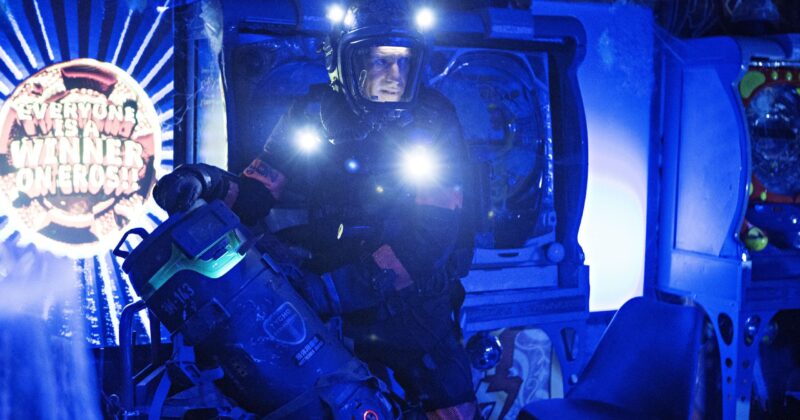
What truly immerses viewers is the meticulous attention to realism—from the plausible science of space travel to the way language, culture, and societal divides naturally evolve over centuries of interplanetary habitation. The Expanse never talks down to its audience; it expects viewers to keep up and rewards them richly for doing so. Even episodes packed with action—like the battle-heavy ‘CQB‘ or the emotionally raw ‘Nemesis Games‘ arc—are driven by themes of trust, duty, and survival that resonate beyond the realm of science fiction.
Technical authenticity is woven through every frame. Spaceships obey Newtonian physics. Every maneuver in zero-g has consequences. Even the design of Martian and Belter environments feels plausibly extrapolated from our own technological progress, inviting both casual fans and hardcore science enthusiasts to suspend disbelief and fully invest in this universe.
A Fandom That Keeps Growing
Unusually for a show that has already aired its last episode, The Expanse is experiencing a renaissance. Rather than fading away, its audience continues to swell—thanks to persistent word of mouth and passionate recommendations in online forums and social spaces. Each new viewer becomes an advocate, contributing to an ongoing ripple effect. Where most series quietly fade, The Expanse is repeatedly rediscovered and analyzed, often ranked alongside or above works considered untouchable classics in sci-fi TV.
This phenomenon isn’t just sustained by nostalgia. The show’s intricate plotting, complex characters, and willingness to tackle morality and politics make it a treasure trove for rewatch and debate. Conversations spark instantly over favorites like Amos Burton’s arc or the dilemmas faced by Chrisjen Avasarala. The richness on display has made it a recurring recommendation for anyone hungry for layered science fiction in the streaming age.
The Anatomy of a Modern Sci-Fi Epic
With a creative team led by accomplished showrunners and a cast that includes Steven Strait, Dominique Tipper, and Thomas Jane, the series boasts both technical excellence and emotional resonance. Writers and directors weave together heart-pounding action with ethical quandaries worthy of watercooler (or subreddit) dissection. The end result: a space opera where every starship maneuver, every political gambit, and every character who makes a hard choice carries the weight of real consequence and possibility.
As more viewers binge those carefully crafted seasons on Prime Video, The Expanse cements its status not only as must-watch sci-fi, but as a defining work of television’s current era—a show that challenges future storytellers to aim higher with each new journey into the unknown.