The Witcher: CD Projekt Red’s New Trilogy Plans Ignite Community Debate

The Witcher Franchise Shifts Focus: Ciri Steps Forward
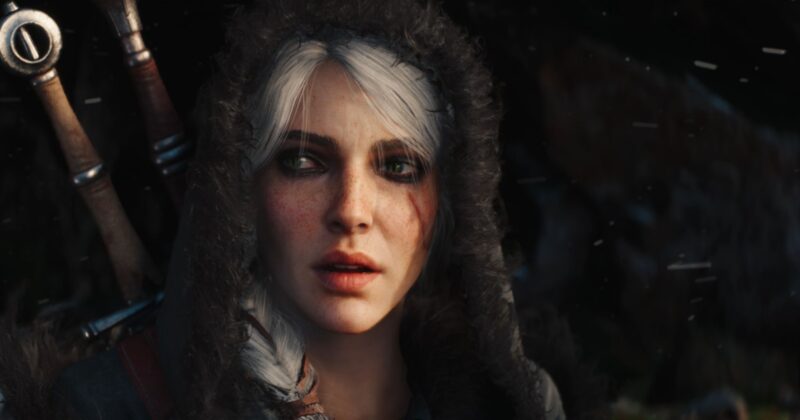
The evolving landscape of fantasy RPGs has just received a major jolt. With Geralt of Rivia finally (and deservedly) stepping out of the limelight, Ciri looks primed to lead the next chapter in The Witcher saga. The move isn’t a simple protagonist swap; it’s a shift in tone, gameplay potential, and narrative scope. Ciri offers transdimensional abilities and a storyline that lets CD Projekt Red explore far beyond the monster contracts and moral ambiguity that defined Geralt’s world.
An Ambitious Roadmap: Three Games, Six Years
Rumors and insider reports were confirmed during a CD Projekt Red financial call: the studio aims to deliver a full Ciri-led Witcher trilogy within just six years. This means radically shortening the gaps seen between previous Witcher releases. The proposed plan would see not just The Witcher 4, but two sequels (The Witcher 5 and 6) arriving within a single gaming generation. For an industry that just witnessed the fallout of a premature launch with Cyberpunk 2077, these ambitions demand scrutiny.
Concerns from the Gaming Community
Can a studio renowned for deep, sprawling RPGs really deliver three open-world experiences on such a tight schedule? The community’s reaction has ranged from excitement to deep skepticism. Social media lit up with doubts, highlighting memories of buggy launches and the perils of cutting development timelines. One user succinctly questioned the studio’s optimism: ‘Three games in six years doesn’t seem realistic at all.’ Meanwhile, others refuse to let apprehension override their excitement at reentering The Witcher universe, many promising to revisit The Witcher 3: Wild Hunt in anticipation.
What’s on CD Projekt Red’s Plate?
The Polish developer is reaching for new horizons—not just with the Ciri trilogy. A sequel to Cyberpunk 2077 is well underway, while a standalone project dubbed Project Hadar is quietly brewing in the background. Add to that a Witcher Remake and a rumored series spin-off, and it’s clear the studio’s calendar is packed. Fans and analysts alike are keeping a close eye on how these overlapping projects might challenge the quality bar set by The Witcher 3, which holds a sterling 93/100 average on OpenCritic and remains a touchstone for narrative RPGs.
The Technical Challenge Ahead
Delivering vast, interconnected worlds full of branching stories and emergent gameplay over multiple releases is no small technical feat. The franchise is expected to evolve its game engine (stepping further away from REDengine 3), potentially allowing for larger, richer, and more reactive environments. From seamless cross-platform play to advanced AI-driven story paths, the expectations are enormous—especially as other major RPGs push the genre forward in real time.
More Witcher, But At What Cost?
For many, the rush to deliver consecutive titles revives memories of Cyberpunk 2077’s own turbulent launch cycle. The prospect of repeating history looms, and even diehard fans have voiced hope that the studio will prioritize polish and narrative magic over release speed. The balancing act between delivering on staggering fan enthusiasm and maintaining the creative spark at the heart of the franchise is more delicate than ever.
Looking Ahead
The Witcher’s next era will be both a technical and cultural event, promising to push boundaries for both veteran fans and newcomers discovering the Continent for the first time through Ciri’s eyes. How CD Projekt Red navigates this marathon production schedule will shape not just The Witcher’s legacy, but also the future of story-driven gaming for years to come.