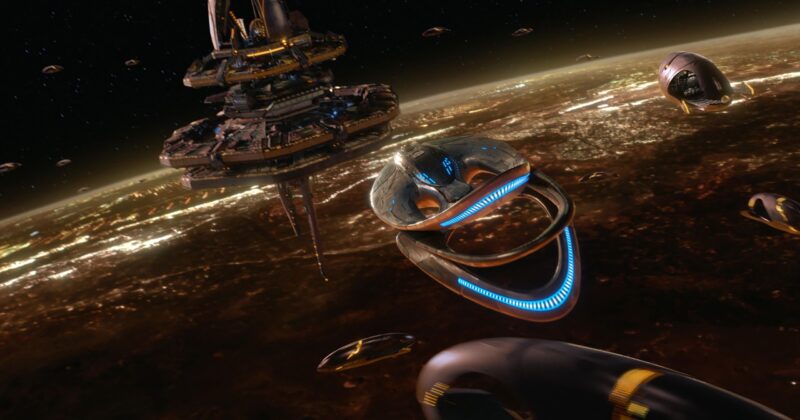
The Orville: Where Sharp Satire Meets Sincere Sci-Fi
What happens when you take the satirical edge of Futurama and mix it with the heartfelt optimism of Star Trek? The Orville sits boldly at that intersection, carving a unique path in the ever-evolving landscape of science fiction series. Created by Seth MacFarlane, best known for his irreverent animated comedies, The Orville offers a refreshing combination: it gently pokes fun at sci-fi traditions while nurturing the same sense of hope that’s drawn fans to starships for decades.
Why The Orville Stands Out in the Sci-Fi Universe
Unlike typical sci-fi spoofs, The Orville isn’t content to simply lampoon genre tropes. Instead, it utilizes humor as a lens to explore ethical dilemmas, human relationships, and the very notion of progress. Yes, the show delivers laugh-out-loud moments and clever nods to its influences—but its deeper layers are just as compelling. The narrative structure feels familiar to longtime Star Trek fans, but with a self-aware twist that appeals to modern sensibilities.
MacFarlane’s show offers more than just parody; it brings optimism back to a genre that’s often trended toward dystopia in recent years. While series like Black Mirror and Snowpiercer focus on humanity’s darkest impulses, The Orville dares to imagine a future where compassion and unity are possible even among the stars.
Evolution Through the Seasons
The Orville has shown remarkable growth with each season. Initial assumptions predicted a barrage of crude jokes and cutaway gags, given MacFarlane’s comedic pedigree. Instead, the show quickly established itself as an earnest, respectful homage to classic sci-fi with emotional depth and nuanced storytelling. Each new season raised the stakes, expanding both world-building and character development.
This blend of satire and sincerity has helped The Orville cultivate a devoted following. The series moves gracefully between laugh-out-loud humor and poignant moments, often in the same episode. Characters like the android Isaac and the ship’s diverse crew echo the groundbreaking ensemble casts of science fiction past but with their own contemporary twists and story arcs.
The Future of The Orville: Season 4 and Beyond
After debuting with two seasons on Fox, The Orville transitioned to Hulu, delivering a third season that further cemented its place among sci-fi’s standouts. The current uncertainty surrounding a fourth season is less about creative direction and more about timing. Seth MacFarlane’s schedule is a whirlwind, including ongoing work with other series and voice roles across multiple projects. This delay, while frustrating for fans, hasn’t dampened excitement or demand for more episodes. The show’s absence of a conclusive ending keeps the door wide open for new stories and ongoing character journeys.
For those eagerly awaiting updates, the signs remain positive. Streaming platforms often capitalize on established fanbases—especially when a series maintains the quality and engagement that The Orville has demonstrated. Many believe the real issue is simply waiting for MacFarlane to clear his slate, rather than any lack of network interest.
Understanding The Orville’s Place in Modern Sci-Fi
Contemporary science fiction straddles a wide spectrum—from hard-hitting, philosophical drama to outright parody. The Orville, much like recent entries such as For All Mankind or inventive spoofs like Rick and Morty, demonstrates that the genre thrives on reinvention. Its ability to tackle relevant themes—identity, tolerance, the ethical use of technology—while never losing sight of entertainment makes it essential viewing for both sci-fi veterans and new audiences alike.
Whether you’re in it for the sharp dialogue, the optimism, or the sly references to iconic series, The Orville continues to be one of the most compelling and innovative sci-fi shows streaming today. As fans look forward to news of further adventures, the promise of more heartfelt missions and cosmic satire remains as exciting as ever.