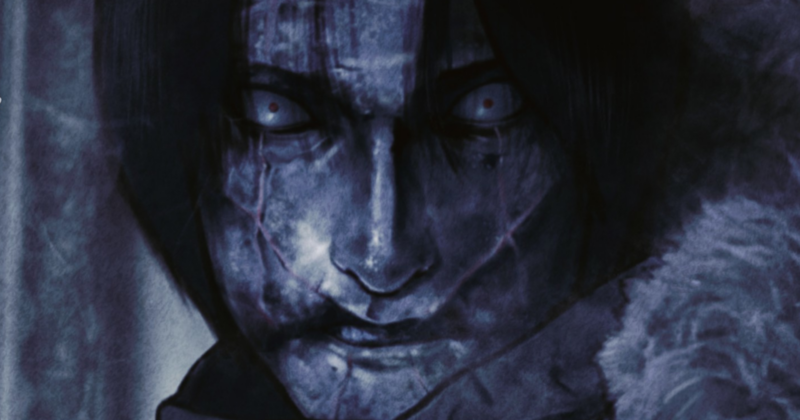
Lonely Deaths Lie Thick as Snow: The Neo-Noir Manga Redefining Crime Thrillers for a New Generation

The Dark Allure of Neo-Noir Mysteries in Modern Manga
Manga enthusiasts and newcomers alike are increasingly drawn to dense, psychological mysteries, and Lonely Deaths Lie Thick as Snow has swiftly become a standout. For readers who crave the existential dread and complex morality seen in acclaimed series like Monster or 20th Century Boys, this manga is a must-explore. Written by Hajime Inoryū and illustrated by Shota Itō, the story plunges into the shadowy depths of human nature, beginning with an unassuming burglary that becomes something far more grisly: thirteen children’s bodies discovered in a deserted mansion, their deaths entwined with enigmatic symbols and haunting questions.
Why Lonely Deaths Lie Thick as Snow Captivates True Detective Fans
It’s not just the chilling premise that has captivated audiences; it’s the way this series conjures the atmospheric, slow-burn tension that audiences loved in shows like True Detective. Detective Jin Saeki, the manga’s central character, enters the scene brimming with bravado but is quickly unmoored by the horror he uncovers. What starts as a traditional crime investigation morphs into a study of societal neglect, trauma, and obsession. The linework is remarkably cinematic—expressionistic faces, precise shading, and a relentless sense of dread that mirrors the emotional disarray of each suspect and survivor.
Much like the HBO classic, this manga dives into philosophical musings and deep psychological conflict, but it doesn’t lean exclusively into nihilism or despair. Instead, it examines the vulnerabilities that modern Japanese society tends to obscure or ignore. Concepts like kodokushi—solitary deaths resulting from urban alienation—are woven expertly into the narrative, transforming the crime drama into a reflection of real-world issues that resonate far beyond the pages of a graphic novel.
Technical Depth and Visual Storytelling
Part of what sets Lonely Deaths Lie Thick as Snow apart is its fearless approach to both story and style. Shota Itō’s art delivers expressive character designs, using shadow and depth to spotlight the unhinged charisma of figures like Juzo Haizawa, the mansion’s enigmatic owner and prime suspect. Yet, readers will quickly realize that nothing in this story is simple or obvious. Haizawa’s mentorship of the children—encouraging them to steal what they need because the world has failed them—casts him in a morally ambiguous light, and his innocence remains a point of contention as new evidence and shifting perspectives unfold.
The narrative pulls readers into a labyrinthine investigation that spans Japan and time, with survivor Kanon’s memories providing chilling flashbacks that cast suspicion far and wide. Every conversation, every piece of physical evidence, is a possible clue or red herring, demanding close attention from its audience. This attention to layered storytelling will appeal to fans of noir novels, crime dramas, and graphic fiction who appreciate complex plots and morally gray characters.
Live Action Adaptation and Reading Options
For those curious about seeing this story translated beyond the manga, there’s a live-action adaptation currently available on Jme, further expanding the reach and appeal of the narrative. The manga’s North American print release is scheduled for March 2026, available through major book retailers and online platforms, providing a fresh point of entry for crime and manga fans alike. It’s a rare find that bridges the gap between visual storytelling and philosophical inquiry, adeptly handling topics often left in the background of mainstream media.
Why This is a Must-Read for Crime and Manga Aficionados
While the wave of new crime thrillers continues to surge across streaming and publishing platforms, Lonely Deaths Lie Thick as Snow stands apart by combining the visual gravitas of manga with cutting social commentary and a mystery that never underestimates its readers. Instead of tying up every plot thread, the story lingers—inviting speculation, debate, and a haunting sense of unfinished business that feels both contemporary and deeply rooted in noir tradition.