Marvel Redefines X-Men’s Arch-Nemesis: The Rise of Beast as the New Villain

Magneto’s Legacy Transformed After Decades at the Helm
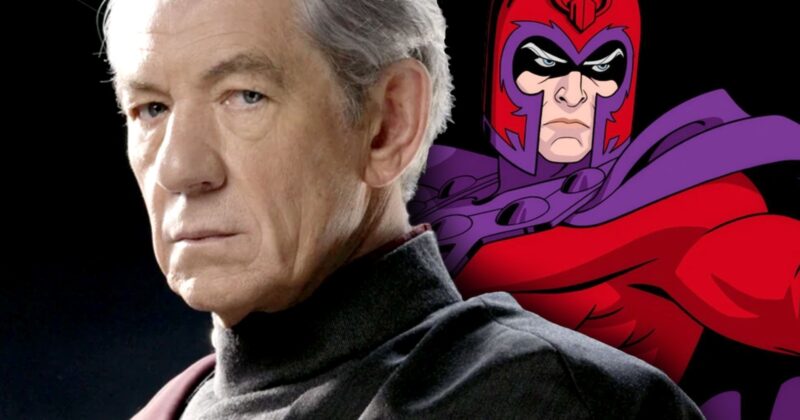
For over 60 years, Magneto reigned as the quintessential antagonist in the X-Men saga, embodying the complex duality of a villain shaped by trauma and ideology. Originating from the X-Men’s 1960s debut as a classic supervillain, Magneto evolved into a nuanced character through the hands of master storyteller Chris Claremont. His backstory as a Holocaust survivor deeply informed his relentless crusade to secure mutantkind’s future, even if that meant embracing a radical philosophy of mutant superiority.
However, Marvel Comics has recently charted a bold new path, officially replacing Magneto as the X-Men’s primary adversary. This transition reflects decades-long character development and the shifting dynamics within the mutant universe, marking a significant moment in comic book history.
The Chairman: Beast’s Stark Transformation into the X-Men’s New Villain
The mantle of chief villain has passed to none other than Hank McCoy, better known as Beast, who now assumes the ominous moniker of the Chairman. This dark metamorphosis emerges from the 2024 comics revamp, where Beast’s black-ops leadership of X-Force foreshadowed his descent into morally ambiguous territory.
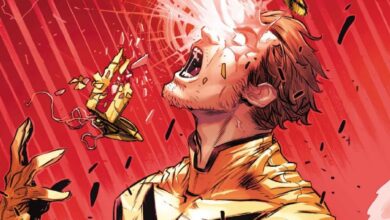
Once a heroic figure, Beast’s tenure leading X-Force saw him undertake grim tasks—including clandestine experiments and the creation of Wolverine clones. His ethical boundaries blurred as he embraced ruthless tactics to safeguard the mutant nation of Krakoa. Though he appeared to die, Beast returned clandestinely with a new, more sinister identity commanding the 3K faction, a group dedicated to forcibly evolving humanity through a mutant-inducing X-Virus.
This chilling new iteration sports a white-furred form and harnesses a cold, calculated ideology reminiscent of Magneto’s mutant supremacism but with an even more extreme approach. The Chairman’s alliance with notable villains like Cassandra Nova and the Magneto clone Joseph ups the stakes, assembling an underground league that threatens to redefine humanity itself.
DNX: The X-Men vs. The 3K and the Evolution of Rivalries
The upcoming DNX crossover series, penned by Jed MacKay and illustrated by Federico Vicentini, promises to pit the X-Men directly against the Chairman’s 3K faction. Its five-issue arc not only spotlights the ideological clash but also evokes historic visual storytelling by paying homage to Jim Lee’s iconic X-Men #1 cover through a striking wraparound edition that places the Chairman in Magneto’s infamous position.
The series will highlight the personal and philosophical battle between Cyclops, who has stepped into Professor Xavier’s leadership role, and the Chairman, once a trusted ally turned enemy. This narrative sets a new bar for character-driven conflict within mutant lore, merging deep emotional resonance with high-stakes action.
Magneto’s Voluntary Exit and the Shifting Paradigm of Mutant Villainy
The decision to write Magneto out as the primary villain was seeded in 2009 when he voluntarily surrendered to the X-Men, acknowledging the futility and collateral damage of his militant agenda. In the wake of the House of M storyline, Magneto recognized Cyclops’ vision as the one that could genuinely unify the mutant race, leading him to join the X-Men’s ranks.
Since then, Magneto’s role transformed into that of a complex ally rather than an outright adversary, often fighting alongside the team he once led against. His diminishing powers due to a mysterious disease have somewhat sidelined him from the frontline conflicts, making space for new antagonists to rise in prominence.
Why Beast’s Chairman Stands Apart in X-Men Mythos
Unlike other villains who cycle in and out of prominence, the Chairman represents a permanent fixture as the X-Men’s new ideological nemesis. His origin as a corrupted version of Beast, sealed off through the introduction of a clone to fulfill the heroic legacy, closes the door on traditional redemption arcs. The Chairman’s extreme vision to impose mutant dominance by forcibly transforming humanity injects a frightening urgency into the narrative.
Marvel’s decision to frame this conflict as a battle between two former friends, mirroring previous X-Men rivalries such as Xavier versus Magneto, adds a profound emotional layer to the story. This approach reinforces Cyclops’s rise as a central figurehead while giving him a deeply personal and challenging antagonist in the Chairman.
Continued Evolution of X-Men in Comics and Media
The X-Men franchise continues to expand and evolve beyond comics, influencing film, television, animation, and video game adaptations. From the early 2000s blockbuster films to recent animated series like X-Men ’97, the mutant saga encapsulates cultural and social themes, often reflective of contemporary issues such as identity, acceptance, and power dynamics.
In gaming, the X-Men legacy persists with titles spanning decades, including classics like X-Men: Children of the Atom and recent entries in the Marvel vs. Capcom series, reaffirming the characters’ enduring appeal and versatility across media platforms.
As Marvel pushes forward with daring storylines like the Chairman-led 3K uprising, fans and newcomers alike can expect fresh and compelling challenges that broaden the mutant mythos while honoring its rich history.