Dragon Ball GT: Exploring The Most Controversial Chapter of The Dragon Ball Legacy

Few anime franchises have left as lasting an impact on pop culture and animation as Dragon Ball. Since Akira Toriyama unveiled the original manga in the mid-1980s, the saga of Goku and his allies has captivated audiences worldwide through its fusion of adventure, martial arts, and imaginative storytelling. Over the decades, the Dragon Ball franchise has expanded into various anime series, games, and multimedia adaptations—each iteration pushing the envelope of its mythos.
Amidst these, there exists a seldom-cherished entry that divides fans more than any other: Dragon Ball GT. This series, released in the mid-1990s, marked a significant tonal and narrative shift from the highly successful Dragon Ball Z era. While its legacy remains polarizing, revisiting GT today reveals layers of storytelling ambition and notable innovations that merit attention.
What Sets Dragon Ball GT Apart Within the Franchise?
Unlike its predecessors, Dragon Ball GT is especially notable for being produced without direct manga source material from Toriyama, making it a non-canon anime-exclusive story within the Dragon Ball continuum. This distinction has been a major factor in why it divided fans so sharply—expectations were high after the epic climaxes and character evolutions of Dragon Ball Z, and many struggled with GT’s fresh approach.
GT’s narrative famously regresses the iconic hero Goku back into a child, steering the tone away from epic, large-scale battles to rekindle the youthful adventure spirit from the original Dragon Ball series. This adventurous reset was risky, and for some, the shift caused an awkward pacing, especially throughout the initial arcs, which felt slower and less action-packed compared to the explosive pace of Z’s climax.
In the United States, the early episodes were even condensed into a recap format for broadcast, reflecting how difficult that phase felt for many viewers.
Key Sagas That Define Dragon Ball GT’s Legacy
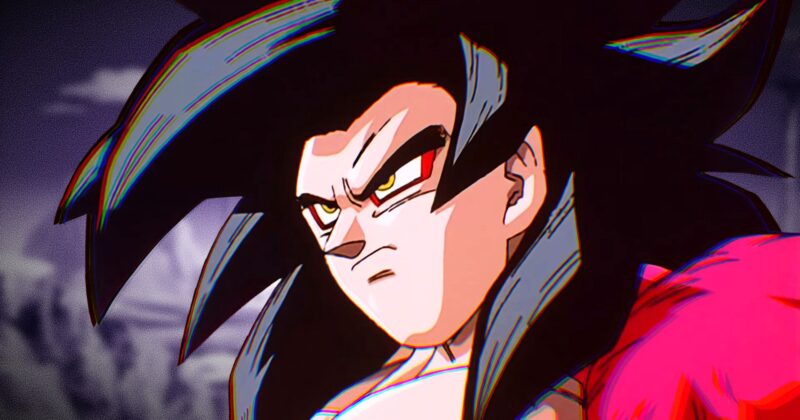
Despite the rocky start, GT later unfolds some of the franchise’s most memorable arcs. The Baby Saga stands out as a franchise highlight, featuring intense explorations of body possession and the consequences of unchecked vengeance, themes that resonated deeply with audiences. This saga also introduced Super Saiyan 4, a groundbreaking transformation that brought a primal, visceral energy and striking design—it remains one of GT’s most lasting contributions to Dragon Ball lore.
Following this, the Super 17 Saga offered mixed experiences, oscillating between moments of compelling action and prolonged segments that tested viewer patience. However, the final Shadow Dragon Saga delivered a surprisingly poignant and action-packed finale, thematically centered around redemption and the cyclical nature of power and destruction.
GT’s Impact and Its Comparison to Recent Dragon Ball Installments
Nearly three decades after its premiere, Dragon Ball GT’s influence subtly persists. Recent Dragon Ball content like Dragon Ball Daima has revisited many of GT’s concepts—such as returning to more adventure-focused storytelling and character de-aging—under the creative supervision of Akira Toriyama himself. This offers fans an intriguing evolution, blending the spirit of GT’s experimentation with the more cohesive vision of the main canon.
Where GT once struggled to gain acceptance, these new projects underscore how its ideas helped pave the way for fresh creative directions within the franchise. The ongoing debate among fans about which iteration better captures the essence of Dragon Ball continues, yet both offer enriching experiences that highlight different facets of the beloved universe.
For Fans and Newcomers Alike
Dragon Ball GT remains a compelling watch for those eager to explore all corners of the Dragon Ball saga, even with its imperfections. It serves as a bridge between the classic and modern eras, offering unique character arcs, aesthetic experimentation with new transformations, and narrative risks that pushed the franchise beyond its established boundaries.
For enthusiasts seeking a deeper dive into Dragon Ball’s extensive universe, GT’s trials and triumphs offer invaluable insights into how storytelling evolves within long-running franchises and how fan expectations can shape a series’ legacy. This entry in the Dragon Ball saga continues to be a reference point for passionate discussion and appreciation within the anime community.
Explore Dragon Ball GT today on streaming platforms like Hulu to experience firsthand the saga that remains one of the most intriguing and contentious chapters in Dragon Ball history.