Exploring the Finest Western and Neo-Western Films of the 21st Century

The Enduring Legacy and Evolution of the Western Genre
No genre embodies the distinct spirit and mythos of American cinema quite like the Western. Originating in the early 1900s, Westerns have long captivated audiences with their timeless portrayals of rugged landscapes, frontier justice, and the tension between civilization and wilderness. While their popularity has experienced significant ebbs and flows, the genre’s core motifs—heroic cowboys, moral codes, vengeance, and expansionist ideals—have persisted, evolving to reflect the cultural sensibilities of each era.
The classic Western flourished in Hollywood’s Golden Age, dominating film reels in the 1940s and 1950s with sweeping tales of idealized American expansionism and stoic heroes. Yet, the landscape shifted dramatically with the arrival of Spaghetti Westerns in the 1960s. These films, crafted predominantly by Italian directors and shot in European locales, introduced a grimmer, morally ambiguous West filled with anti-heroes and stark, desolate imagery.
Modern Shifts: From Traditional Westerns to Neo-Westerns
As Westerns experienced diminished mainstream appeal in the succeeding decades, the genre reinvented itself through the Neo-Western and Revisionist Western movements starting in the late 1990s and flourishing into the 21st century. These films retain the genre’s iconic visual language but employ it to investigate contemporary themes such as identity crises, moral ambiguity, nihilism, and critiques of capitalism and American history.
Instead of mythic heroism, these stories often center on flawed antiheroes struggling with a rapidly changing world, where the clear dichotomies of right and wrong blur. Visual storytelling remains a vital element, often showcasing the rugged terrain to emphasize isolation and existential conflict.
No Country for Old Men: A Stark Meditation on Violence and Morality
The Coen Brothers’ No Country for Old Men is foundational in defining the Neo-Western ethos. Adapted from Cormac McCarthy’s novel, the film juxtaposes the mythic Old West as embodied by Sheriff Bell (Tommy Lee Jones), with a relentlessly brutal contemporary world exemplified by a cold-blooded assassin. It masterfully employs classic Western iconography but subverts traditional morality, illustrating a nihilistic vision where traditional justice fails to operate.
Winning the Academy Award for Best Picture, this film marked a profound turning point in how Westerns could reflect modern anxieties and the erosion of old certainties amid chaotic violence.
There Will Be Blood: Ambition and Corruption on the Frontier
Paul Thomas Anderson’s There Will Be Blood delivers an intense, character-driven exploration of greed and moral decay during the American oil boom. Daniel Day-Lewis’s towering performance as Daniel Plainview reveals the dark underbelly of expansionism, exposing how unchecked ambition devastates communities and landscapes alike.
The film’s striking cinematography evokes traditional Western imagery but twists it into a critique of capitalism’s destructive force. Vivid scenes, like Plainview drenched in oil, provide visual metaphors that resonate deeply beyond the narrative itself.
True Grit: Revisiting and Enhancing a Western Classic
The 2010 Coen Brothers’ remake of True Grit stands out by not only honoring but surpassing its 1969 predecessor. Staying truer to Charles Portis’s novel, this version re-centers the narrative on Mattie Ross (Hailee Steinfeld), a determined young woman seeking justice for her father’s murder, alongside the grizzled Marshal Cogburn.
This adaptation embraces the story’s moral complexity and dark humor while maintaining reverence for Western traditions. It blends vivid character work with atmospheric landscapes, offering audiences a fresh yet faithful take on a beloved tale.
Rango: Animated Innovation in Western Storytelling
Breaking genre molds, Gore Verbinski’s Rango is a pioneering animated feature that creatively captures the essence of the Western through the adventures of a pet chameleon thrust into frontier heroism. Utilizing cutting-edge motion capture technology from Industrial Light & Magic, the film merges vibrant animation with classic Western tropes, and Jack Depp’s performance adds whimsical charm.
Rango’s narrative explores themes of identity, bravery, and self-discovery while playfully engaging with Western genre conventions, making it a singularly inventive addition to modern Western cinema.
The Hateful Eight: Tarantino’s Cynical and Visceral Western
Quentin Tarantino’s second Western, The Hateful Eight, is a dense, dialogue-rich chamber piece set against a snowy Rocky Mountain backdrop. Shot in Ultra Panavision 70mm, Tarantino meticulously emulates and pays homage to mid-20th century Western aesthetics and pacing, while infusing the film with his signature brutal violence and dark humor.
With a stirring score by Ennio Morricone—legendary for his work on Spaghetti Westerns—the film revisits the genre’s lessons but through a subversive lens. Its claustrophobic tension and morally ambiguous characters firmly position it as a sharp revisionist Western that challenges genre conventions.
Hell or High Water: A Contemporary Tale of Desperation and Resistance
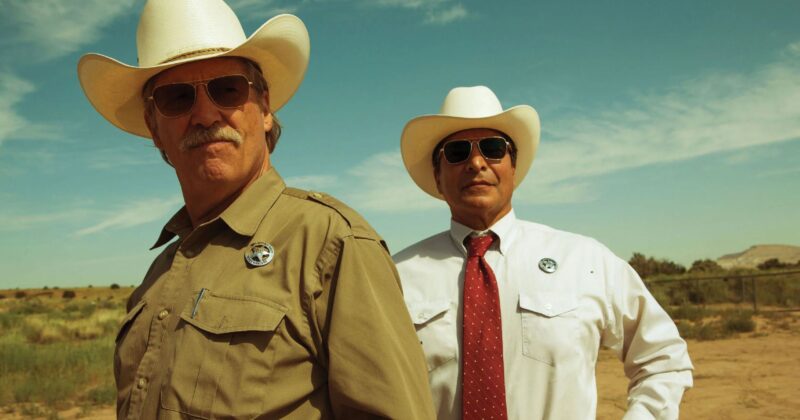
Hell or High Water crafts a poignant narrative around two brothers resorting to bank robbery to save their family ranch from foreclosure, dramatizing modern economic desperation within a Western framework. Written by Taylor Sheridan, the film critiques the illusory promise of the American Dream and explores the tension between individual agency and systemic oppression.
The protagonists, far from mere outlaws, are framed as antiheroes fighting against an unjust system. This modern, socially conscious perspective revitalized the Neo-Western, earning acclaim for blending genre thrills with incisive societal commentary.
First Cow: Quiet Reflection on Frontier Friendship and Capitalism
First Cow exemplifies the Revisionist Western’s contemplative side with its tender, meticulously crafted story about friendship and capitalism in the Oregon frontier. Released by A24, the film unfolds slowly, focusing on mood, character detail, and the harsh yet beautiful natural surroundings.
This understated narrative challenges the macho heroism of traditional Westerns by emphasizing vulnerability, survival, and collaboration amid the unforgiving frontier environment. It showcases how the modern Western can explore themes of community and economic struggle without grand spectacle.