Understanding Dragon Ball Z’s Filler: Context and Impact
Dragon Ball Z stands as a monumental pillar in anime history, renowned for its intense battles, iconic characters, and the relentless escalation from Earth-bound conflicts to universal threats. Yet, like many long-running anime series produced by Toei Animation during the 90s, DBZ occasionally stepped off the main manga storyline to incorporate filler episodes. These were designed primarily to give creator Akira Toriyama enough lead time to develop the manga arcs, ensuring the anime didn’t overtake its manga source material.
Interestingly, Dragon Ball Z’s filler percentage is relatively low compared to other contemporaries, reflecting Toei’s effort to maintain momentum. Nonetheless, knowing which episodes constitute filler—and which are genuinely enriching—can drastically improve viewing experience, especially for newcomers or those revisiting the series with limited time.
Which Dragon Ball Z Filler Episodes Can You Skip?
Here is a rundown of DBZ filler episodes that are safe to skip without losing any essential plot development or character growth:
- Episodes 9-16: Gohan’s Training and Goku’s journey on Snake Way.
- Episodes 39-43: The Fake Namek Arc, which spins a separate narrative away from the main fight against Frieza.
- Episodes 100 and 102: Extended sequences of the Full Power Frieza battle, primarily padding the already tense confrontation.
- Episodes 108-117: The Garlic Jr. Saga, a standalone arc not present in the manga.
- Episode 124: Vegeta’s intensive training to achieve Super Saiyan status.
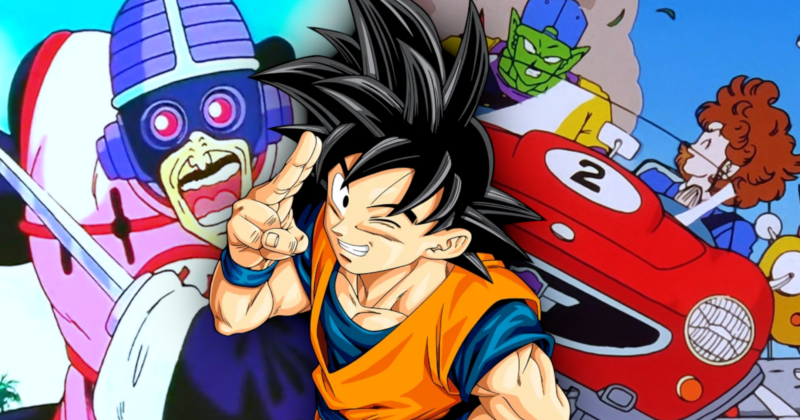
- Episode 125: A lighthearted filler where Goku and Piccolo go for a drive, which offers character humor but no plot advancement.
- Episodes 170-171, 174: Preparations for the Cell Games, mostly extended character moments.
- Episodes 195-199: The Otherworld Tournament, a tournament in the afterlife that deviates from main story progression.
- Episodes 202-203: Adventures of the Great Saiyaman, side stories focusing on Gohan’s superhero alter ego.
- Episode 274: A playful but non-essential episode where Goku and Vegeta delve into Buu’s mind.
- Episode 288: Goku arriving late to a party—filler comedic relief.
Filler Arcs Worth Watching for Character Development and Enjoyment
Though commonly dismissed, some filler content in DBZ enriches character arcs and offers enjoyable diversions grounded in the series’ world-building. Notably, episodes 9 through 16 chart Gohan’s early training alongside Goku’s travel down Snake Way. Far from mere padding, these episodes emphasize Gohan’s potential and resilience, foreshadowing his critical role later in the series. It also deepens Piccolo’s transformation from rival to mentor, cementing his bond with Gohan—a key emotional thread in Dragon Ball lore.
Why Does Filler Matter in Anime?
In historical context, fillers have played an essential role in long-running shōnen anime, allowing manga authors to keep pace with weekly releases while studios produce animation at a rapid clip. DBZ, broadcast during an era when weekly anime was the norm, embraced this model. In contrast, contemporary series often reduce fillers, sometimes leveraging seasonal breaks to align story pacing with manga progression, as seen in recent One Piece adaptations.
How Filler Shapes Dragon Ball Z’s Viewing Experience Today
Today, Dragon Ball Z attracts both nostalgic viewers and newcomers exploring the show’s legacy. For binge-watchers seeking an impactful and uninterrupted storyline, pruning filler episodes can enhance pacing and focus on core arcs like the Saiyan Saga, Frieza Saga, Cell Saga, and Buu Saga. However, some fillers—like Garlic Jr.’s arc or the Otherworld Tournament—offer entertaining side quests that reflect the series’ flair for humor, camaraderie, and occasional whimsy.
Moreover, these episodes provide breathing space between intense battle scenes and monumental transformations, enabling audiences to connect more deeply with characters’ personalities and growth. For instance, Vegeta’s intense training episode is a crucial insight into his obsession with surpassing limits, underscoring his pride and fierce determination.
Technical Insight: Why Certain Filler Episodes Were Produced
The production dynamics of 1990s anime, especially for global hits like Dragon Ball Z, often necessitated filler content to balance the constraints of episodic deliverables and manga content availability. Plots like the Garlic Jr. saga were conceived to maintain audience engagement during slower manga periods. They also served as testing grounds for secondary characters and concepts, some of which gained fan followings robust enough to influence later series like Dragon Ball Super.
Letters and interviews from production staff reveal that fillers were strategically designed not merely as time-fillers but as an opportunity to explore less-trodden corners of the Dragon Ball universe. This balance between urgency and creativity remains a hallmark of the series’ enduring appeal.
Exploring Character Evolution Through Filler
Filler episodes contribute to nuanced character study beyond the manga’s raw power-ups and central conflicts. For example, Goku’s whimsical adventure on Snake Way showcases his determination paired with lightheartedness, a contrast enriching his heroic figure. Meanwhile, Piccolo’s mentorship solidifies in ways the manga skimmed over, adding emotional weight for dedicated fans.
Vegeta’s filler training episode highlights his relentless pride and willingness to push beyond physical limits to join the elite ranks of Super Saiyan warriors. Such moments deepen our understanding of his complex journey from antagonist to reluctant hero.
Key Takeaway for Viewers
For those revisiting Dragon Ball Z or diving in for the first time, knowing which episodes to watch carefully can refine your appreciation of the series’ pacing, character arcs, and storytelling. Selective viewing allows you to savor the explosive battles and critical moments without sacrificing the occasional humor and world-building fillers that enrich the Dragon Ball universe.