Inside Netflix’s Baki-Dou Part 2: Production Insights and the Rise of a Legendary Villain

Baki-Dou: The Invincible Samurai Returns with Netflix’s Split-Cour Strategy
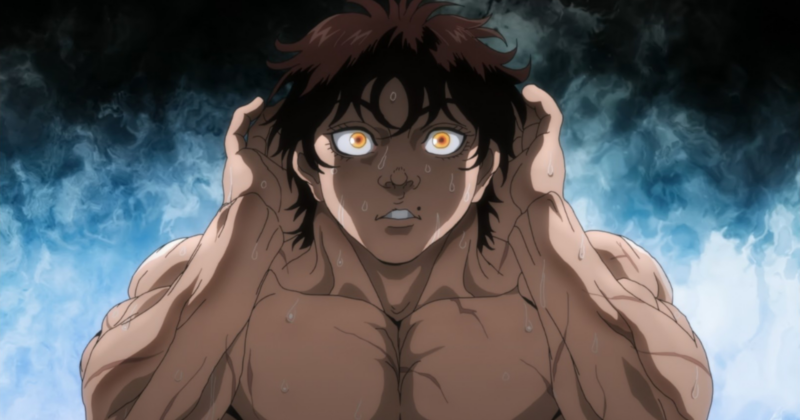
Netflix’s hit fighting anime Baki-Dou has carved out a distinctive niche in the martial arts anime landscape by blending intense combat with intriguing, outlandish storytelling. Following a significant wait of more than two years, the latest installment promises to deliver an equally riveting chapter of Baki Hanma’s brutal journey. The fan-favorite series picks up after Baki’s electrifying duel against his father, the fearsome Yujiro Hanma, plunging into fresh, unpredictable territory with the introduction of Musashi Miyamoto, an Edo-period samurai resurrected in modern times through cloning technology.
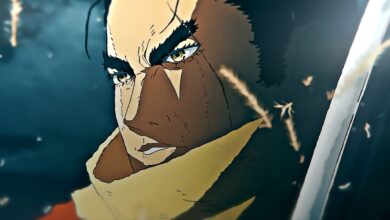
This concept alone instantly sets Baki-Dou apart, transforming a revered Japanese hero into a formidable antagonist whose unmatched swordsmanship challenges the modern world’s greatest fighters. Musashi’s character is a spectacular fusion of historic legend and ruthless combatant, adding layers of psychological depth and tension rarely seen in conventional martial arts anime.
Segmented Release Schedule: A Strategic Move for Quality and Engagement
Behind the scenes, the production and distribution strategy of Baki-Dou leverages a segmented release pattern known as a split-cour—a technique that divides a season into two distinct parts. This departure from the binge-watch model has gained traction in recent years, especially in the crowded streaming era where content overload can lead to viewer fatigue.
According to producer Kei Watabiki from TMS Entertainment, this approach balances creative demands and audience engagement. By spacing out releases, fans gain time to absorb complex storylines, debate character motivations, and build anticipation organically. This pacing not only enhances the overall viewing experience but also eases the strain on animation teams, who often face punishing deadlines under traditional continuous production cycles.
The benefits of this method are particularly significant given the series’ intricate animation sequences and demanding fight choreography. The split-cour format empowers the studio to maintain a consistent level of visual quality across episodes without sacrificing narrative flow or pacing. Viewers can expect a well-polished continuation that retains the raw intensity and meticulous attention to detail characteristic of previous episodes.
Directorial Perspective on Adapting Keisuke Itagaki’s Iconic Manga
Director Toshiki Hirano sheds light on the complexities involved in adapting Keisuke Itagaki’s original manga. Each 25-minute episode requires careful decisions about where to condense or expand scenes while preserving the source material’s pacing and impact. Hirano notes that manga consumption varies widely—from brief bursts to marathon reading sessions—so adapting such a dynamic reading experience into a fixed episode length demands considerable editorial precision.
For international audiences, especially those less familiar with the manga, this adaptation strategy offers an accessible entry point. The anime doesn’t simply replicate every panel but translates the essence and emotional beats to suit a television format that prioritizes dramatic timing and visual storytelling.
Musashi Miyamoto: Reimagining a Legendary Hero as a Dark Adversary
Musashi Miyamoto’s incarnation in Baki-Dou diverges sharply from the traditional heroic image that has permeated Japanese culture and media. Known historically as a paragon of samurai ethics and swordsmanship, Musashi here emerges as a terrifying force—a “monster” rather than a saint. His character encapsulates merciless efficiency, a cold, calculating killer whose combat style and psychological tactics unsettle even the series’ most formidable fighters.
This reinterpretation required both narrative boldness and technical prowess. The animators faced unique challenges bringing Musashi’s duels to life, with the highly demanding battle between Retsu and Musashi spanning multiple episodes and showcasing painstaking attention to choreography and cinematic impact. Musashi’s occasional restraint and provocations add layers of psychological warfare to the visceral action, enriching the fight sequences beyond mere spectacle.
This portrayal also invites viewers to reflect on the contrast between cultural myth and brutal reality, highlighting Musashi’s alienation in the modern world and his condescending attitude toward both history and his adversaries. His modern conveniences, like using a lighter to ignite fires, juxtaposed with his regal swordsmanship, create moments of dark humor and surrealism that feel at home within Baki’s often wild narrative universe.
The Future of Baki-Dou: An Evolution in Martial Arts Anime Storytelling
Baki-Dou’s production ethos exemplifies a deep commitment to refining anime crafts through deliberate pacing and creative role management. By avoiding overextension and embracing episodic segmentation, TMS Entertainment and Netflix are setting a precedent for sustainable anime production that respects both artists and audiences. This strategy ensures that the series can continue pushing the boundaries of martial arts animation while delivering narrative complexity and character development.
As Baki-Dou Part 2 approaches release, anticipation is building not just for the next action-packed fights but for how the story will evolve the clash between modern fighters and the legacy of Musashi Miyamoto’s mythic past. It’s a bold experiment in genre storytelling that marries historical imagination with contemporary animation expertise, promising fans a thrilling ride through one of the most fascinating corners of anime combat culture.