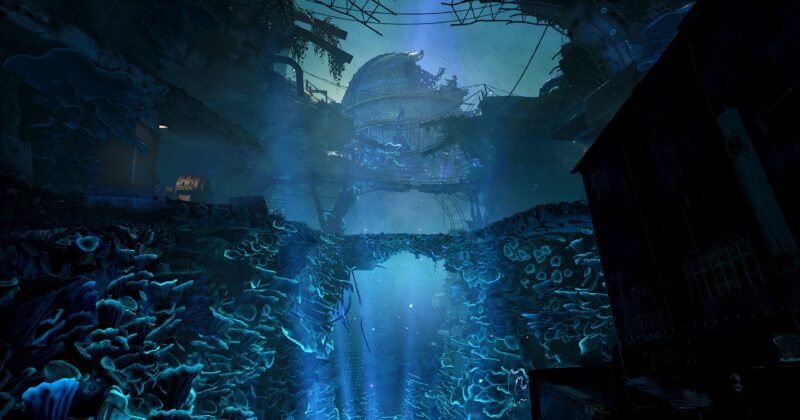
Swan Song: The Poignant Return of a Post-Apocalyptic Classic in a World on Edge

Swan Song: A Post-Apocalyptic Vision More Relevant Than Ever
Nearly four decades after its original publication, Robert McCammon’s Swan Song is poised to make a compelling transition from page to screen, emerging as one of the most timely and resonant post-apocalyptic horror adaptations in recent memory. Written during the height of the Cold War, the novel embodied the palpable dread of nuclear annihilation that shaped much of popular culture in the 1980s. Today, with geopolitical tensions simmering and the specter of nuclear conflict still looming large across global headlines, this gripping narrative promises to captivate modern audiences with startling relevance.
Unlike many post-apocalyptic stories that can feel distant or speculative, Swan Song channels a fear that has never fully dissipated. The Cold War fear of nuclear war may feel like a relic, but in reality, the threat has resurfaced repeatedly. From recent withdrawals from nuclear treaties to public opinion reflecting a widespread anticipation of possible global conflict, the anxieties McCammon explored feel uncomfortably immediate.
Nuclear Anxieties Persist in 2026
International relations today paint a sobering picture. Key arms control agreements, such as the Treaty on the Prohibition of Nuclear Weapons, have seen significant resistance from nuclear-armed powers including the United States and Russia. More alarmingly, the U.S. has recently retreated from pivotal treaties like the Intermediate-Range Nuclear Forces Treaty, intensifying fears about an unchecked arms race. Polling data reflects this unease, with a majority of adults in the U.S., Canada, and several European countries expressing concern that nuclear war or a global conflict could erupt within the coming decade. This collective anxiety sets a potent backdrop for the TV adaptation, making Swan Song not only a chilling horror tale but also a mirror reflecting today’s geopolitical realities.
From Book to Screen: The Importance of Staying True to Its Dark Core
In the novel, the United States initiates the catastrophic nuclear exchange, a bold narrative choice that grounds the story in complex political realities rather than simple victimhood. This framing challenges audiences to reckon with the consequences of reckless leadership and the fragility of human survival. As media landscapes have increasingly grappled with representation and political sensitivities, there is often a temptation to recast or soften national roles for mass appeal. However, diluting these crucial elements risks undermining the moral weight and urgency that Swan Song carries.
The survivors within McCammon’s story inhabit a devastated America, a landscape scarred physically and emotionally by the unimaginable horrors of nuclear war. Their struggle is raw and unfiltered—rooted in fear, despair, and the desperate flickers of hope that define humanity’s resilience. Such a narrative demands authenticity and fidelity to its source material’s bleak, yet deeply human, vision.
A Horror Story with a Soul
While Swan Song operates within the post-apocalyptic and horror genres, its heart lies in the enduring battle for humanity’s dignity amidst utter ruin. The character Swan symbolizes this glimmer of hope, fighting not just for survival, but for a restoration of compassion and community in a fractured world. This thematic richness elevates it beyond mere spectacle, positioning it alongside other recent successful adaptations of speculative fiction that interweave social commentary with genre elements.
The Broader Landscape of Post-Apocalyptic Adaptations
Swan Song joins a growing slate of adaptations revisiting golden-age sci-fi and horror literature with a modern lens. Apple TV’s Neuromancer, for instance, revisits cyberpunk’s critiques of hyperconsumerism and digital dystopia, capturing the unease surrounding technology and identity today. Netflix’s adaptation of Philip K. Dick’s The World Jones Made offers pointed reflections on ecological collapse and societal breakdown, themes that align seamlessly with contemporary environmental anxieties.
These adaptations underscore a broader trend: the sci-fi and post-apocalyptic genres are uniquely suited to engage with modern audiences, not only by thrilling and terrifying but by provoking reflection on real-world crises. Through this lens, Swan Song emerges not only as entertainment but as a cultural conversation partner about humanity’s precarious future.
Technical and Narrative Challenges in Bringing Swan Song to Life
Translating a sprawling novel like Swan Song, with its vivid landscapes of nuclear devastation and its complex character arcs, will be a formidable task for any production. The adaptation must balance atmospheric horror elements—such as the haunting imagery of radioactive wastelands—with intimate human drama that captures the emotional depth of survivors’ journeys.
Visually, the show must depict the devastating impact of nuclear fallout with nuance and care, avoiding gratuitous spectacle while maintaining the apocalyptic scale essential to the story’s tone. This will likely involve state-of-the-art special effects combined with practical sets to evoke both the grand and personal consequences of the cataclysm.
On a narrative level, the serialized format offers a unique opportunity to expand on secondary characters and subplots, enriching the world McCammon created and offering viewers a multi-layered exploration of society’s collapse and rebirth. This depth will be crucial in differentiating the show from other end-of-the-world tales and engaging audiences emotionally over time.
Why Swan Song Matters Today
In a media landscape that sometimes veers toward escapism or simplistic dystopias, Swan Song promises to offer a sobering, thoughtful portrayal of humanity at its limits. Its themes of survival, hope, and the cost of political brinkmanship resonate deeply in a moment when the possibility of nuclear conflict is not just theoretical but feared by millions worldwide.
By steadfastly confronting the uncomfortable truths about war, leadership, and human resilience, this adaptation could serve as both entertainment and cultural reckoning. Far from being just another horror or sci-fi show, Swan Song holds a mirror to present-day anxieties, inviting viewers to grapple with the consequences of the choices nations make and the endurance of the human spirit in the face of devastation.