Underrated Horror Films That Deserve More Attention and Praise

Exploring Horror Films Beyond the Mainstream
When thinking about iconic horror movies, titles like The Exorcist or Halloween invariably come to mind—classic staples that shaped the genre. However, the horror landscape is teeming with films that, despite their quality and uniqueness, didn’t receive the recognition they rightfully deserve. Often overshadowed by blockbuster franchises or overlooked during their initial release, these movies deliver inventive storytelling, strong performances, and fresh thematic explorations that make them worthy of rediscovery.
It’s always fascinating to see how certain horror movies resonate beyond their commercial success. Some become cult classics years after disappearing from the cultural spotlight, while others challenge conventions with risk-taking narratives that push the genre’s boundaries. These hidden gems often reveal deeper insights into human fears, social anxieties, or psychological complexity, making them treasure troves for horror aficionados and cinephiles alike.
Psycho IV: The Beginning – Revisiting Norman Bates’ Origins
Alfred Hitchcock’s original Psycho set an almost insurmountable benchmark for the series that followed. While sequels tend to struggle under the shadow of such a monumental film, Psycho IV: The Beginning stands out as a compelling narrative experiment. This TV movie functions simultaneously as a prequel and sequel, with Anthony Perkins reprising his role as Norman Bates, now older and wrestling with his tormented past through calls to a radio talk show. It delves with psychological depth into Bates’ adolescence, providing context that enriches the lore without diminishing the original’s mystery. Though imperfect, it presents a nuanced character study hinting at the nuances later explored in the acclaimed TV adaptation Bates Motel.
Heretic – A Psychological Battle of Faith and Madness
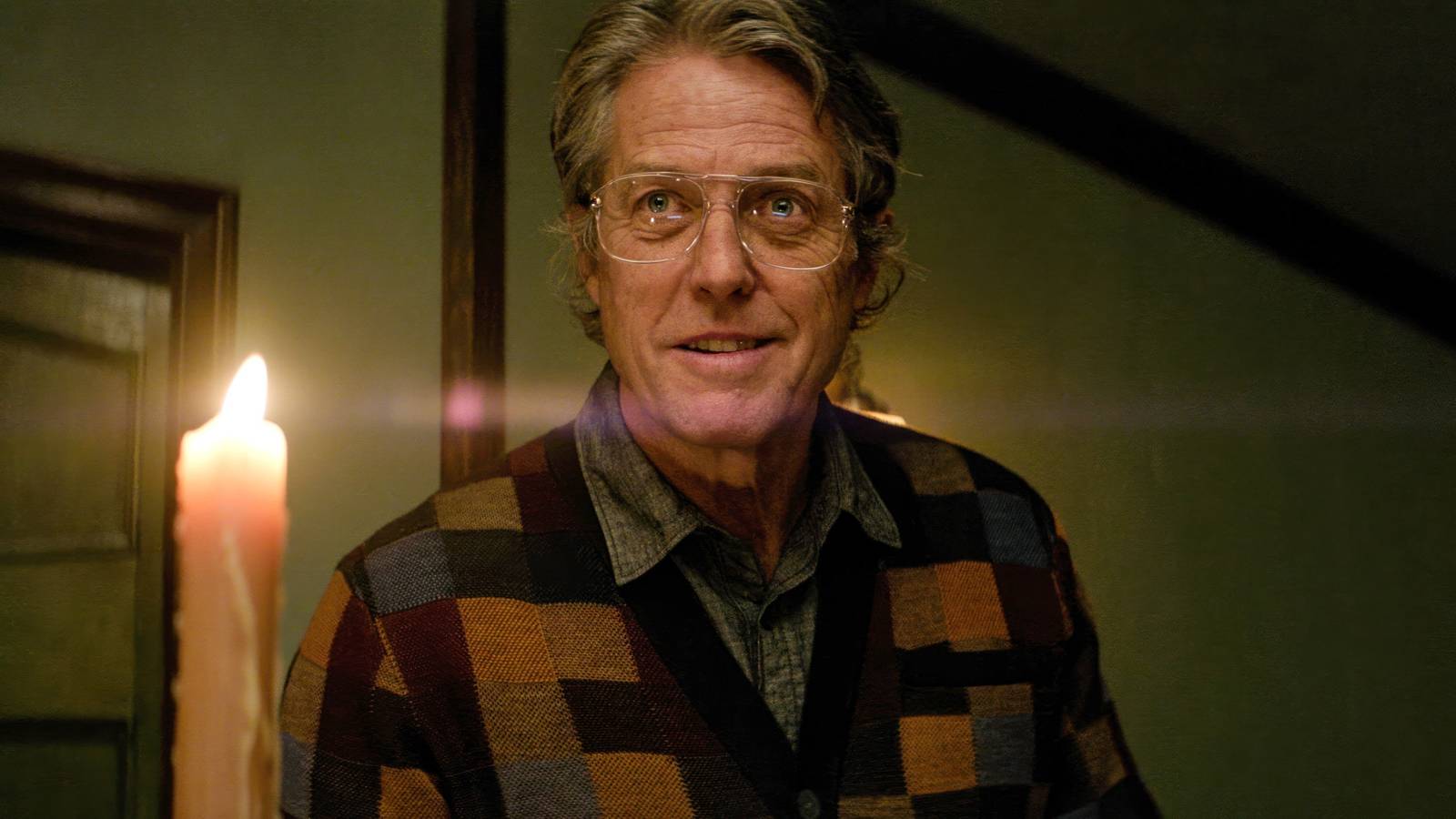
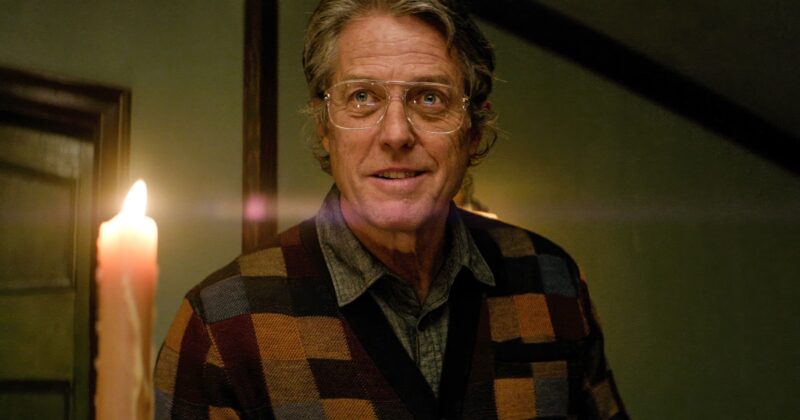
In Heretic, a 2024 release that flew under many radars, audiences are treated to a claustrophobic and sharply written thriller centered on belief systems and fragile egos. Hugh Grant’s career took a fascinating turn with his portrayal of Mr. Reed, a chillingly intellectual yet deeply unstable character who kidnaps two Mormon teenagers. The film skillfully constructs a tense dialogue on blind faith, hypocrisy, and the descent into madness, driving the narrative through character conflict rather than mere jump scares. Its balance of psychological horror and philosophical inquiry makes it a standout example of modern horror’s capacity for intellectual engagement.
Spree – Social Media’s Dark Obsession Through a Horror Lens
Joe Keery’s role as Kurt Kunkle in Spree offers a darkly satirical take on virality and social media obsession. Stripped of his familiar Stranger Things vibes, Keery embodies a desperate man whose craving for fame propels him into a terrifying live-streamed killing spree. More than just a slasher, the film serves as a commentary on internet sensationalism, exploring how the search for recognition can lead to extreme and disturbingly performative violence. The gonzo style underscores the frenetic energy of Gen Z’s digital culture, making this film both a thrilling watch and a culturally relevant critique.
Together – Body Horror and Codependency in Unsettling Harmony
Featuring real-life couple Dave Franco and Alison Brie, Together brings a fresh and bizarre narrative to the body horror subgenre. This film digs into the emotional and physical entanglements of co-dependency, depicting a young couple whose intimacy grows monstrously literal after moving to the countryside. Director Michael Sarnoski pushes the boundaries of horror by blending grotesque visuals with emotional vulnerability, evoking the spirit of David Cronenberg’s pioneering works. The chemistry and commitment of the leads add a poignant layer that elevates the film beyond typical horror fare.
Creep – Minimalism Meets Menace in Found Footage Horror
Found footage horror has seen both commercial hits and low-budget cult successes, with Creep falling compellingly into the latter category. Starring Mark Duplass as the enigmatic Josef, the film captures an unnerving atmosphere through its simple premise: a videographer hired to document a stranger’s final moments. The genius of the film lies in its gradual build-up of psychological dread, backed by Duplass’ unsettling performance that oscillates between vulnerable and menacing. It’s an example of how effective storytelling and character focus can overcome budget constraints to produce truly frightening cinema.
Mom and Dad – Nicolas Cage Unleashed in Darkly Comic Horror
Nicolas Cage’s career is peppered with performances that challenge conventional acting norms, and his work in Mom and Dad delivers one of his most wildly unpredictable roles. Alongside Selma Blair, Cage portrays a father consumed by an inexplicable mania to kill his children, blending black comedy with horror in an outrageous spectacle of chaos. The film operates on dual levels: as a metaphorical exploration of familial dysfunction and an unapologetic gore-fest. Its frenetic energy and boundary-pushing scenes reaffirm Cage’s status as a fearless performer willing to embrace madness on screen.
Urban Legend – A Satisfying Slasher Fueled by Folklore
While the slasher boom of the late 90s birthed several well-known entries, Urban Legend stands slightly in the shadow of more celebrated titles like Scream. Yet it holds its own through a smartly structured murder mystery, set on a New England college campus where killings are inspired by the eerie tales passed through urban legends. Featuring a young Jared Leto among the cast, the film combines suspenseful set pieces with memorable kills, engaging fans of the genre with its clever intertwining of folklore and teenage paranoia.
1408 – The Psychological Haunting Beyond Physical Limits
The wealth of Stephen King adaptations offers many memorable horror experiences, but 1408 remains a subtle gem that deserves more attention. John Cusack’s portrayal of a skeptical author investigating haunted locations demonstrates how psychological horror can coexist with supernatural elements. The film blends influences from classics like The Shining and The Haunting of Hill House, creating an atmospheric narrative centered on confronting inner demons as much as external ghosts. Despite reasonable box office success, it is often overlooked in discussions of King’s cinematic legacy.
A Nightmare on Elm Street 2: Freddy’s Revenge – A Cult Sequel with Depth
Many sequels in horror franchises struggle to find acceptance, but the second installment in the Nightmare on Elm Street series earned cult status through its darker undertones and unconventional storytelling. Freddy’s Revenge introduced complex themes of identity and repression, layered under the familiar guise of Freddy Krueger’s menacing presence. Its reception at release was mixed, yet over time it has garnered praise for exploring psychological horror in ways the original didn’t, making it a fascinating chapter in the franchise’s evolution.
These films, among others, illustrate how horror thrives not only on shock but also on character complexity, social commentary, and innovative filmmaking techniques. Diving into these lesser-known or misunderstood movies enriches the understanding of horror’s versatility and its ability to reflect human fears in myriad forms.