10 Anime Series So Dark They Leave a Lasting Impact on the Mind

Exploring the Depths of Darkness in Anime
Anime often uses dark themes as more than just an aesthetic choice. For many series, darkness becomes a profound exploration of humanity, morality, and existential questions. Rather than relying solely on shock value or gore, these stories excavate psychological and philosophical territories, exposing viewers to the fragility of hope, the corruption of innocence, and the rawness of despair. Below are ten standout anime that transcend typical storytelling to deliver haunting portrayals of the human condition.
Made in Abyss: The Abyss as a Metaphor for Unrelenting Suffering
At its surface, Made in Abyss begins like a classic adventure—youthful curiosity driving Riko and her companion Reg down into an expansive, mysterious chasm. Yet, as they descend, the story sheds its sense of wonder and plunges into an existential nightmare. The «curse» that afflicts those who travel deep inside the Abyss manifests as an escalating physical and psychological torment. The arc involving Nanachi and Mitty exemplifies this bleakness; their bodies and identities are shattered by horrific experiments that strip away their humanity. This treatment dismantles any romantic notions about innocence or discovery. Instead, curiosity here becomes synonymous with irreversible damage, embedding a crushing sense of futility and pain that lingers far beyond the plot.
Berserk (1997): A Medieval Tale of Brutal Ambition and Betrayal
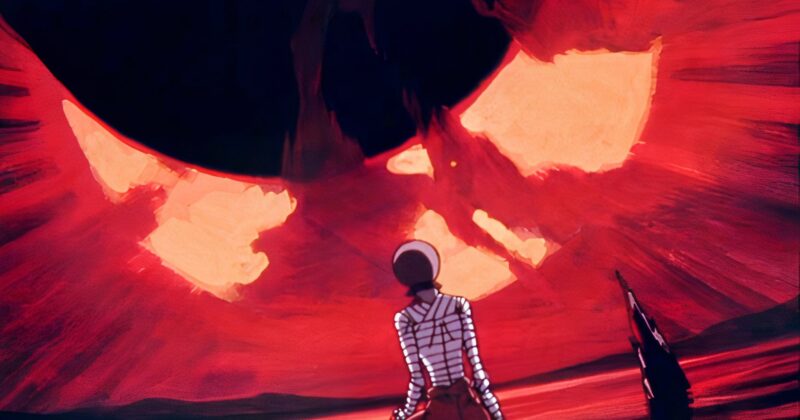
Set against a merciless medieval backdrop, Berserk does not shy away from depicting the brutal reality of its world where savagery is a constant force shaping every character. The protagonist Guts’ journey is marred by relentless warfare and profound betrayals that push him and those around him to the edges of sanity. Its infamous Eclipse event remains one of anime’s most harrowing moments, depicting a cruel sacrifice of comrades for power, committed by Griffith. The trauma inflicted here resonates beyond mere violence; it obliterates trust and loyalty, showing viewers the steep price paid for unchecked ambition. What makes Berserk disturbingly powerful is its unflinching examination of despair and moral collapse over time, refusing to offer easy redemption.
Higurashi: When They Cry – Psychological Horror in a Rural Community
At first glance, Higurashi: When They Cry presents itself as a simple tale of a peaceful village. But that tranquility quickly fractures as paranoia and violence spiral out of control. The series masterfully uses narrative arcs that reset timelines, each iteration peeling back deeper layers of psychological torment. Characters once seen as friends become sources of fear and threat, and innocent gatherings devolve into horrifying attacks, such as Keiichi’s sinister assault on close companions. The show’s terror comes from destabilizing certainty and the cyclical nature of suffering, forcing viewers to confront how fragile human connections are under the weight of mistrust and madness.
Devilman Crybaby: Humanity’s Dark Descent Fueled by Fear
Devilman Crybaby chronicles Akira Fudo’s transformation into Devilman and the subsequent breakdown of society. Rather than glorifying battles between good and evil, the anime starkly reveals how fear corrodes humanity from within. Acts of violence become ugly and desperate rather than heroic. The brutal murder of innocent characters like Miki Kuroda and her family underscores how hysteria and panic can eclipse reason, driving people to destroy one another without evidence or mercy. The narrative suggests that the true monsters are not demons but the cruelty and self-destruction that fear breeds among humans confronting the unknown.
Perfect Blue: Identity, Obsession, and Psychological Fragmentation
Unlike supernatural horror, Perfect Blue grounds its terror in psychological distress and exploitation within the entertainment industry. Mima Kirigoe’s shift from pop idol to actress becomes a nightmarish journey as her sense of self fractures under pressure, stalking, and manipulation. The inclusion of a staged assault blurs reality and performance, plunging Mima into a haunting identity crisis exacerbated by a chilling website that violates her privacy. The film’s power lies in its realism—the slow unraveling of a human mind under assault leaves viewers feeling both intimate and unsettled in a way that transcends simple scares.
Shiki: A Village Under the Shadow of Vampirism and Moral Ambiguity
Shiki explores horror through a creeping outbreak of vampirism in a quiet village, gradually dissolving trust and sanity among the residents. The horrors grow not only from the undead but also from the extreme reactions of the living. Doctor Toshio Ozaki’s cold scientific detachment becomes chilling as he continually sacrifices his wife to experiment on her transformation—raising disturbing questions about humanity and cruelty. The climax blurs lines between victim and monster as fear-driven villagers turn into merciless hunters themselves, illustrating that darkness resides not just in the supernatural but in human nature’s response to crisis.
Texhnolyze: A Bleak Cyberpunk Descent into Existential Nihilism
Set within the dystopian underground city of Lux, Texhnolyze presents a grim future where technology and human despair intertwine. The storytelling is slow and immersive, delving deep into themes of alienation, societal decay, and the loss of individuality. The city’s cybernetic implants, the Texhnolyze, symbolize the characters’ physical and emotional fragmentation. Instead of offering dazzling action or hopeful redemption, the narrative coldly portrays the dehumanizing grip of control and power struggles, pushing viewers into existential contemplation that feels heavy and inescapable throughout its run.
These anime do not simply exploit darkness for dramatic flair; they demand emotional and intellectual engagement. They force audiences to reflect on human fragility, the costs of ambition, and the shadowy corridors of the psyche. For fans willing to venture beyond surface-level entertainment, these series are profound, unsettling journeys that linger long after the screen fades to black.