Invincible Season 4 Unveils the Origins of Its Monstrous Worldbuilding

The Mythos Behind Invincible’s Monsters Finally Explained
Since the debut of Invincible on Amazon Prime Video, fans have been captivated by its intricate universe filled with larger-than-life heroes, epic battles, and a fascinating, often mysterious, backstory. While the series is lauded for its mature storytelling and complex characters, one question lingered in the minds of viewers from the very first episode: where exactly do all these monstrous creatures come from?
The recently released fourth season dropped a game-changing revelation, expanding the lore far beyond the source comics and bringing clarity to the origins of many strange entities that threaten Earth and the underworld. This narrative development not only enriches the worldbuilding but also provides profound context for the ecosystem of Alien beasts, demons, and mythic beings the show has so tantalizingly teased.
Journey to the Under Realm: Discovering Earth’s Forgotten Ages
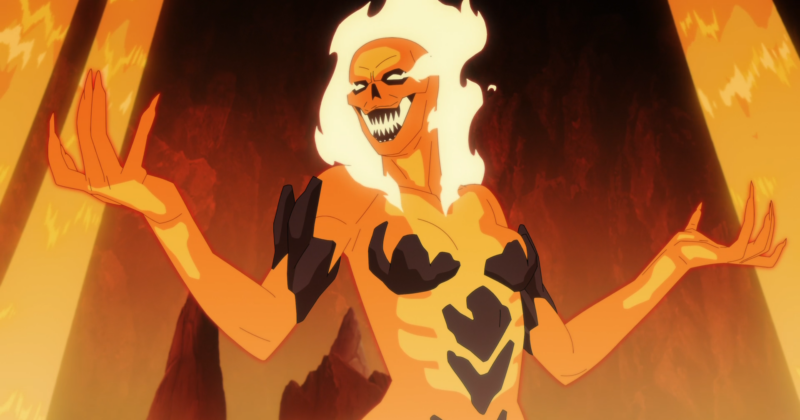
In the pivotal fourth episode of season 4, Mark Grayson, aka Invincible, is dragged unwillingly into a journey to the Under Realm—courtesy of the enigmatic demon detective Damien Darkblood. Their mission? To confront a new foe, Volcanikka, a vicious magma-based warlord intent on seizing control of Hell and mounting an invasion on Earth’s surface.
During their perilous expedition deep into Hell, Mark questions the nature of this underworld and whether a celestial Heaven exists in this universe. Damien responds by recounting a profound timeline that reframes everything viewers thought they knew: Earth’s history, in the Invincible universe, unfolds across six incredible Ages.
The First Age was dominated by monstrous and deadly beasts, primal forces of nature that shaped the early Earth surface. The Second Age saw the arrival of somewhat smaller but still lethal creatures—many of which survived hidden underground, occasionally surfacing as the kaiju Invincible had battled before.
The Third Age remains shrouded in mystery, deliberately omitted by Damien, although fan speculation widely suggests this may correlate with the reign of dinosaurs or some other catastrophic era lost to time. The Fourth Age introduced the Vile, a new breed of grotesque beings including the likes of Volcanikka herself, who has endured well into the current timeline.
Next came the Fifth Age — the epoch when demons, led by Satan, arrived and claimed dominion underground. Finally, the Sixth Age marks the rise of humanity, the age in which the familiar world of Invincible exists.
Implications for Invincible’s Universe and Philosophy
This multistage chronology weaves a coherent thread through the episodic appearances of monsters and supernatural entities. What was once amorphous lore has now taken distinct shape: creatures emerge from deep within Earth’s mantle, displaced from preceding Ages, retreating further underground as new epochs dawn.
More than just providing origin stories, this revelation deepens the existential undertones of the series. Damien’s assertion that Hell is a tangible, earthly realm—rather than a metaphysical afterlife—and that Heaven may not exist at all, pushes Invincible’s narrative into a bleak, almost nihilistic territory where death offers no spiritual continuation.
Viewers familiar with speculative sci-fi may notice parallels with classic franchises like The Matrix. Much like Neo’s realization of cyclical realities and layered simulations, Mark now grasps that Earth is merely one phase in a grand, repetitive cosmic drama. This knowledge hints at profound future arcs, potentially steering Mark toward existential crises as he contemplates fate and free will in a universe that has seemingly reset countless times.
Reframing Invincible: From Superhero Epic to Mythic Saga
The newfound lore breathes fresh life into Invincible’s narrative tapestry. It provides a structured mythopoeia—a storytelling device reminiscent of ancient epics, where history itself is fragmented into Ages filled with rising and falling powers. This enriches audiences’ understanding of every monster, every villain, and adds profound weight to heroic struggles.
For fans and scholars of superhero storytelling alike, this layered universe signals a maturation of the genre. Invincible isn’t simply a tale of good versus evil; it’s a grand exploration of cyclical history, the unknown beneath the surface, and the precarious balance between myth and reality. With this expanded context, every fight scene carries more significance, every new monster stands as a living artifact of Earth’s distant past, and every interrogation of morality taps into deep, cosmic questions.
As Invincible continues to unravel these mysteries, enthusiasts can anticipate more mind-bending revelations that push the boundaries of the superhero medium. This storytelling sophistication pairs beautifully with stunning animation and dynamic voice acting—anchoring the series as a standout in contemporary animated narratives.