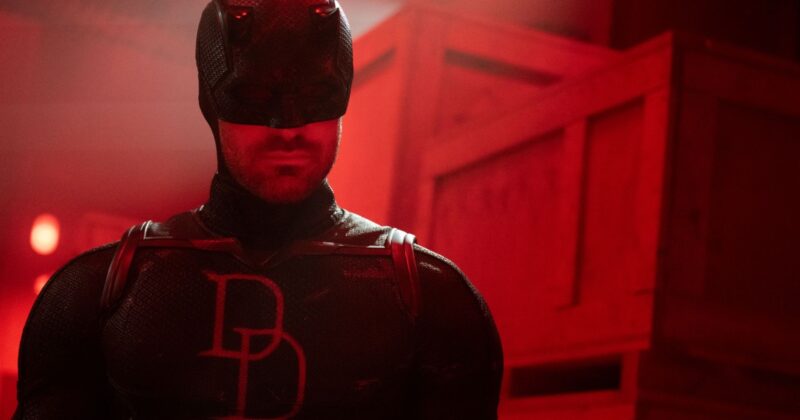
How Daredevil’s Costume Transformation Saved Him from Comic Book Obscurity

The Evolution of Daredevil’s Iconic Look
Daredevil is one of Marvel’s most enduring street-level heroes, renowned for his dark red costume that suits his vigilantism within the gritty urban landscape of Hell’s Kitchen. However, this signature look was not present from the moment of his debut. When Matt Murdock first appeared in 1964, his costume featured a strikingly different palette – a brighter yellow-and-black ensemble with red highlights. This original design, although visually interesting, lacked the thematic and practical resonance that the later red suit would embody.
The transition to the all-red attire in Daredevil #7 marked a defining moment for the character, ultimately solidifying his identity and appeal within Marvel’s pantheon. This upgrade wasn’t just an aesthetic tweak; it was a strategic reimagining that aligned perfectly with Daredevil’s persona as a stealthy, nocturnal crime-fighter.
Stan Lee and Wally Wood: Collaborators Behind the Red Suit
Behind this transformative design was the talented artist Wally Wood, who took over Daredevil’s visuals starting from issue #5. Collaborating closely with writer Stan Lee, Wood re-envisioned Matt Murdock’s costume to better fit the dark and shadowy tone of his vigilante journey. While the fundamental structure of the costume didn’t change drastically, its color palette shifted dramatically.
Up until issue #6, Daredevil’s outfit borrowed more from the flamboyance of an acrobat or carnival performer, with bright yellows dominating the design. Such a choice conflicted with his crime-fighting opera: lurking in the shadows and navigating through the dimly lit streets. Wood’s redesign invented the now-classic scarlet suit, enhancing Daredevil’s presence as a menacing figure who could slip through darkness yet remain a vivid symbol of fear to criminals.
Why The Red Suit Works Visually and Symbolically
The shift to an all-red look reflects a thoughtful balance between utility and character symbolism. Red carries connotations of danger and intensity, perfectly echoing the ‘Devil of Hell’s Kitchen’ moniker. Practically speaking, the darker hue makes Daredevil less conspicuous at night compared to his previous bright colors, facilitating his ninja-like combat style and stealth. At the same time, the vivid red eye-catching enough to be iconic without compromising his ability to strike fear.
This redesign is a classic example of how superhero costumes must function not only as visual identifiers but as storytelling apparatuses that complement their powers, personalities, and the atmosphere of their narratives. Such strategic design choices continue to influence how characters are visually adapted across media today.
Small Artistic Choices, Big Cultural Effects
Wally Wood’s impact went beyond just the color shift. In Daredevil #5, he introduced a subtle yet powerful detail — adding a second ‘D’ to the chest emblem. This tweak helped brand Matt Murdock’s alter ego more distinctly, giving the logo a stronger graphic identity. These layers of refinement demonstrated early on how comics serve as evolving canvases where visual and narrative elements interplay to deepen character recognition and longevity.
The Netflix Series and Beyond: Solidifying the Red Suit in Popular Culture
Fast forward to today, the red costume remains inseparable from Daredevil’s public image, thanks in part to its faithful adaptations in other media. The critically acclaimed Netflix series famously emphasized the darker tones of Daredevil’s world, often bathing the character in red lighting to evoke his comic roots while portraying his struggles with morality and justice. Actor Charlie Cox’s portrayal encapsulated this blend of vulnerability and resilience, with the red suit becoming a powerful symbol of his dual life.
In the Marvel Cinematic Universe, most recently in Daredevil: Born Again, the red suit continues to represent not just a costume, but a mantle weighted with history and identity. This integration of visual tradition with modern storytelling embraces the legacy of those early creative decisions by Lee and Wood, proving how costume design plays a pivotal role in preserving and advancing superhero lore.
Insights for Character Design and App Development
Daredevil’s color evolution offers useful lessons beyond comics, especially for fields like app design or gaming, where visual identity is crucial. Design choices that enhance thematic coherence and functionality can profoundly affect user empathy and engagement. Striking the right balance between visibility and subtlety, utility and aesthetics, mirrors what Wally Wood achieved with the red suit. Whether crafting digital avatars or interactive experiences, prioritizing elements that resonate emotionally and conceptually with audiences is key.