Le Samouraï: The Timeless French Crime Thriller That Shaped Modern Noir Cinema

The Enduring Legacy of Le Samouraï in Crime Cinema
Few films have managed to define a genre and influence generations of filmmakers like Jean-Pierre Melville’s Le Samouraï. Released in 1967, this French crime thriller offers more than just a gripping story about a solitary hitman. It serves as a cornerstone of neo-noir cinema, blending classic film noir elements with a uniquely minimalist and contemplative style that continues to resonate in contemporary crime thrillers.
A Meticulous Portrait of Isolation and Method
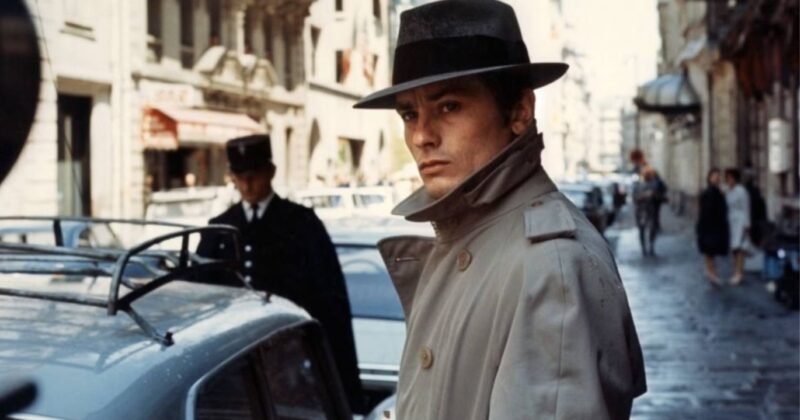
At the heart of Le Samouraï is Jef Costello, portrayed with icy precision by Alain Delon. Jef is a hitman whose life revolves around unwavering discipline and calculated movements, creating an almost robotic aura that paradoxically highlights his profound loneliness. Unlike many crime protagonists, Jef’s character is stripped of bombast or unnecessary dialogue; every gesture, every silence, speaks volumes about his autonomy and detachment.
The film excels at immersing viewers in Jef’s world through deliberate pacing and precise editing. Instead of relying on flashy action sequences, the psychological tension builds as the audience follows both Jef’s cold-blooded efficiency and the dogged police pursuit. The detectives, tasked with bringing him down, are competent and methodical in their own right, creating a captivating cat-and-mouse dynamic that eschews clear moral binaries.
Reinventing Masculinity in Film Noir
Le Samouraï also stands out for its subtle interrogation of masculine identity within the noir tradition. Departing from the aggressive egotism typical of crime films, Jef embodies a restrained masculinity that allows moments of vulnerability—such as the quiet pain he endures while tending his wounds—to seep through without diminishing his enigmatic presence.
The supporting characters, including the police officers, often reflect more traditional and stereotypical masculine traits, including a dismissive attitude toward women—a stark contrast that deepens the film’s exploration of isolation and alienation in a morally complex world. This nuanced portrayal enriches Le Samouraï beyond being just a crime thriller, positioning it as a meditation on humanity through the lens of existential solitude.
A Stylish Blueprint for the Modern Antihero
Jef Costello’s iconic style has become emblematic of cool detachment in cinema. From his tailored suits and minimalist demeanor to his strategic interactions and calm under pressure, Jef set an aesthetic and behavioral standard for countless cinematic protagonists. His precision, grace, and quiet intensity have made him synonymous with the archetype of the professional loner in films.
This aesthetic has significantly influenced iconic characters across various eras. Whether it’s the haunted Travis Bickle in Martin Scorsese’s Taxi Driver or the calculating, methodical loners portrayed by Michael Mann or in films like Heat and John Wick, echoes of Melville’s masterpiece are ever-present. The measured, almost ritualistic approach to crime and survival found in Le Samouraï continues to inspire narratives steeped in moral ambiguity and existential dread.
Influence on Filmmakers and Performers
Many renowned directors have openly or subtly referenced Le Samouraï in their works. Martin Scorsese’s Taxi Driver introduced a similarly isolated antihero, whose quiet observation and escalating internal turmoil mirror Jef’s stoic detachment. Michael Mann’s crime dramas adopt the film’s atmospheric tension and focus on procedural detail, weaving narratives where professionalism and solitude collide.
Actors have also drawn inspiration from Alain Delon’s portrayal. Ryan Gosling’s character in Drive channels Jef’s reclusive and methodical nature with nuanced performance, blending violence and vulnerability seamlessly. Similarly, Keanu Reeves’ John Wick carries that quiet, strategic forcefulness, showing that the archetype Melville crafted is as relevant and compelling as ever.
Indeed, the ripple effects of Le Samouraï stretch across decades, influencing not just crime thrillers but the broader portrayal of flawed, enigmatic protagonists in cinema. Its sparse dialogue, atmospheric score, and deliberate pacing keep audiences immersed in a world where every detail matters, reflecting a cinematic artistry that continues to inform modern storytelling.
A Cinematic Experience Worth Revisiting
Nearly six decades on, Le Samouraï remains a testament to the power of minimalism, atmosphere, and complex character study in genre cinema. It transcends being a simple crime story, transforming into a timeless meditation on loneliness, professionalism, and existential resolve. For aficionados of film noir and neo-noir alike, as well as fans of crime cinema with stylistic elegance and emotional depth, Melville’s work offers a masterclass in cinematic restraint and influence.