Inside A24’s Elden Ring Adaptation: Set Photos Reveal Queen Marika, Dung Eater, and Kit Connor’s Enigmatic Role
A Glimpse into A24’s Fantasy Epic Based on Elden Ring
The highly anticipated film adaptation of Elden Ring, brought to life by acclaimed writer-director Alex Garland and produced under the A24 banner, has begun unfolding its mystique through recently surfaced set photos. This major studio-backed project takes on the monumental challenge of translating FromSoftware’s sprawling and intricate fantasy world into a cinematic experience while retaining the rich lore and atmosphere that made the game a cultural phenomenon.
Unveiling Iconic Characters on Set
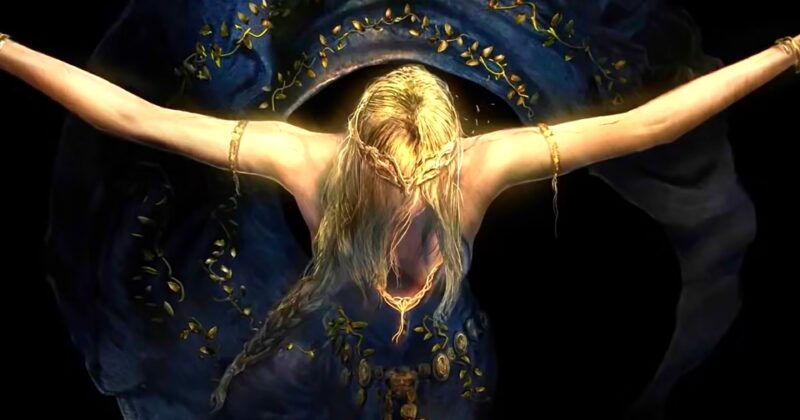
Among the freshest visual insights are images of Queen Marika, a central pillar in the game’s mythos and narrative. The actress Emma Laird, known for her role in Mayor of Kingstown, has been seen embodying this enigmatic character. Marika’s presence on set—as a living figure rather than just a lore background—raises intriguing narrative possibilities. Since the game’s timeline predominantly takes place after Marika shatters the Elden Ring, unleashing turmoil among her demigod children, these scenes might represent vital flashbacks or provide an origin-point perspective, enriching the story’s framework for film audiences.
The Queen Marika photos capture her in a contemplative, almost weighty posture, hinting at the gravitas and complexity Garland aims to imbue in the adaptation. This also reflects a broader tendency in the production to anchor fantastical elements with grounded, humanized performances.
The Dung Eater: Horror and Practical Effects Meet
Complementing the regal presence of Marika is the haunting portrayal of the infamous Dung Eater, a character renowned among fans for his grotesque yet chilling symbolism. The set images showcase an impressively literal interpretation—Dung Eater is seen in a meticulously crafted practical costume design, suspended by chains outside what seems to be a significant architectural facade. This not only reconnects to the in-game imagery, particularly the lore montage where the character is displayed as a form of twisted justice or punishment but also highlights Garland’s commitment to tactile film-making craft over heavy CGI reliance.
The atmosphere created by the townspeople milling around this grim spectacle evokes the game’s moody, oppressive environment. It demonstrates how A24’s adaptation is rooting itself firmly within the dark fantasy genre’s conventions while paying homage to the source material’s unsettling aesthetic stylings.
Kit Connor’s Role Remains Cloaked in Mystery
The production also boasts the involvement of Kit Connor, celebrated for his work on Heartstopper. Set pictures portray the young actor clad in a voluminous raincoat, veiling his costume’s medieval design underneath and preserving suspense about his character’s identity. This subtle concealment has fueled speculation among fans eager to see which role he embodies in this vast ensemble, especially given the deforming and expansive cast of characters in the Elden Ring universe—from Tarnished warriors to demigods and minor-but-memorable NPCs.
Kit’s presence marks a continued pattern for Garland and A24 to blend emerging talent with established names, including Ben Whishaw, noted for his versatile dramatic chops. This casting strategy bodes well for intelligent, character-driven storytelling within a fantasy setting that could otherwise risk being overshadowed by spectacle alone.
Technical and Narrative Expectations from Garland’s Adaptation
The choice to employ practical effects, detailed costumes, and location shooting in the UK emphasizes a traditional filmmaking approach that recalls the best of recent fantasy cinema. Garland’s vision seems to balance faithful adaptation with the necessities of cinematic language, carefully selecting moments such as Marika’s physical presence and the Dung Eater’s punitive display to communicate critical lore and emotional weight visually.
These creative decisions signal a desire to respect Elden Ring’s deep, complex narrative fabric, characterized by the tragic fallout of the shattered Elden Ring artifact and the ensuing quest for power among its bearer demigods. Exploring earlier timelines in the story through flashbacks where Marika remains alive offers an opportunity to deepen audience engagement with the ancestral myths at the game’s core, often only hinted at through item descriptions and fragmented dialogue in gameplay.
Insight into Elden Ring Lore through the Film Lens
The film’s unfolding also invites revisiting critical elements from the game’s lore. Queen Marika’s shattering of the Elden Ring—a powerful relic fueling the Erdtree and the Golden Order—ignites the central conflict. This act splinters the world, leading to a brutal and catastrophic war among her offspring, each wielding the Great Runes derived from the broken ring fragments.
Meanwhile, iconic characters like the Tarnished, guided by luminous Sites of Grace, become vessels for narrative progression, a motif that perhaps the film will also explore through character arcs and visual storytelling. The world’s haunting regions, such as the Haligtree ruled by Malenia, underscore the game’s blend of beauty and menace—an aesthetic that Garland’s crew is likely painstakingly recreating through set design and tone.
By integrating such lore-rich details and characters, the Elden Ring adaptation not only caters to fans but also seeks to introduce the universe’s depth to new audiences through compelling performances and immersive world-building.