Raised by Wolves: Ridley Scott’s Stunning Sci-Fi Series Rivaling Blade Runner

Ridley Scott’s Legacy in Science Fiction
Ridley Scott’s name is synonymous with groundbreaking science fiction cinema. His impact stretches from the claustrophobic tension of Alien to the sprawling epic spectacle of Gladiator. Among his seminal works, Blade Runner stands as a towering achievement—a film that reshaped sci-fi storytelling and visual design, influencing countless creators even decades after its release. Yet, beyond his iconic films, Scott’s involvement in television ventures like Raised by Wolves reveals a fascinating, if underrated, side of his creative vision.
The Rise of Raised by Wolves
Premiering on HBO Max, Raised by Wolves emerged as an ambitious narrative infused with the thematic complexity and visual sophistication typical of Scott, who directed the first two episodes and served as executive producer. The series revolves around two android caregivers—Mother, portrayed by Amanda Collin, and Father, played by Abubakar Salim—tasked with nurturing human children on a distant planet after Earth becomes uninhabitable due to a cataclysmic conflict.
From its inception, the show impresses with intricate world-building and philosophical depth. It explores weighty themes such as faith, artificial intelligence, and survival, echoing motifs Scott contemplated in early drafts of Prometheus before shifting course. The narrative’s density demands attentive viewing but offers rich rewards for audiences who engage with its layered symbolism and ethical quandaries.
Despite Critical Acclaim, the Series Faced Early Cancellation
While Raised by Wolves garnered a strong critical consensus—sustaining an average Rotten Tomatoes score above 80% across its two seasons—the series struggled to achieve the mainstream audience necessary to sustain its costly production. The show’s reliance on extensive CGI and elaborate set design contributed to a high budget, compelling HBO Max to weigh ratings heavily in renewal decisions.
The timing of the Discovery and WarnerMedia merger further complicated matters, with insiders and cast members suggesting this corporate shift affected the series’ future adversely. This abrupt cancellation left fans without resolution, as season two ends on a significant cliffhanger, halting the story’s evolution prematurely.
Echoes of Blade Runner’s Initial Reception
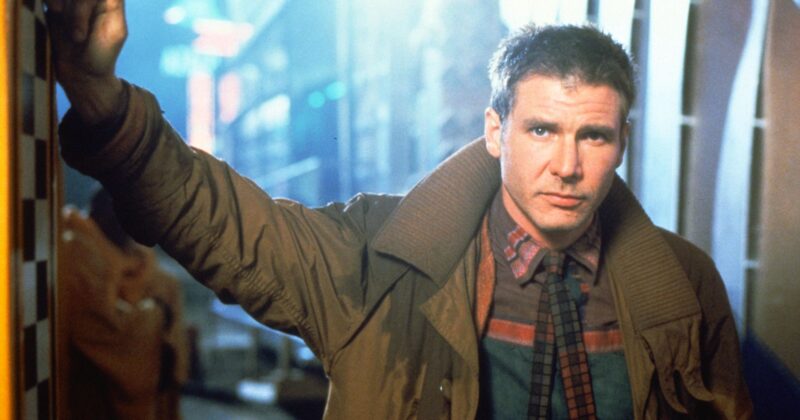
The premature end of Raised by Wolves parallels Ridley Scott’s earlier experience with Blade Runner. Upon its 1982 release, Blade Runner was met with mixed critical reviews and underwhelming box office returns, a stark contrast to its status today as a sci-fi benchmark. Unlike films, however, television series rarely enjoy the luxury of decades to cultivate a cult following; streaming platforms often act ruthlessly against shows that don’t quickly meet audience metrics.
Season two of Raised by Wolves marked a definitive creative upswing, improving narrative coherence and deepening character arcs, suggesting the series was poised to grow into an even more essential fixture in science fiction television. Unfortunately, shifting industry dynamics and consumption patterns thwarted this potential, underscoring challenges facing sophisticated genre storytelling in the streaming era.
A Science Fiction Experience Worth Discovering
Despite its untimely cancellation, Raised by Wolves remains a must-watch for fans of speculative fiction and Ridley Scott’s work. Its melding of theological conflict, android psychology, and interplanetary survival poses compelling questions for the future of humanity and technology. Ambitious in scope and artistic in execution, the series exemplifies how science fiction can be both intellectually engaging and dramatically engrossing.
Those exploring the crossroads of AI and spirituality, or seeking a cerebral narrative layered with stunning visuals and nuanced performances, will find Raised by Wolves a rewarding journey. The series serves as a testament to Ridley Scott’s ongoing influence over sci-fi storytelling, proving that groundbreaking work isn’t limited to the big screen but continues to evolve within serialized narratives.