The Hidden Story Behind V for Vendetta’s Leading Role Change
Nearly two decades after its release, V for Vendetta remains a cultural and cinematic milestone, lauded for its gripping narrative, political commentary, and iconic portrayal of rebellion. Yet, behind the scenes of this dystopian thriller lies a fascinating casting change that has intrigued fans and cinephiles alike: the switch from James Purefoy to Hugo Weaving as the enigmatic masked protagonist, V.
Originally, James Purefoy was cast as V and even filmed his scenes during production. However, partway through shooting, director James McTeigue made the bold decision to replace Purefoy with Weaving. Contrary to popular rumors attributing the change to creative clashes, the true reason was rooted in the unique demands of the role—specifically, the challenge of delivering a powerful performance through a mask.
Embodying a Character Behind the Mask
Unlike typical lead roles that rely heavily on facial expressions, portraying V required mastery of subtle physicality and vocal prowess without the actor’s face being visible. McTeigue explained that Purefoy, known for using his visage extensively in his craft, struggled to adapt once his face was obscured. This limitation ultimately made him less suited for the role’s distinctive demands.
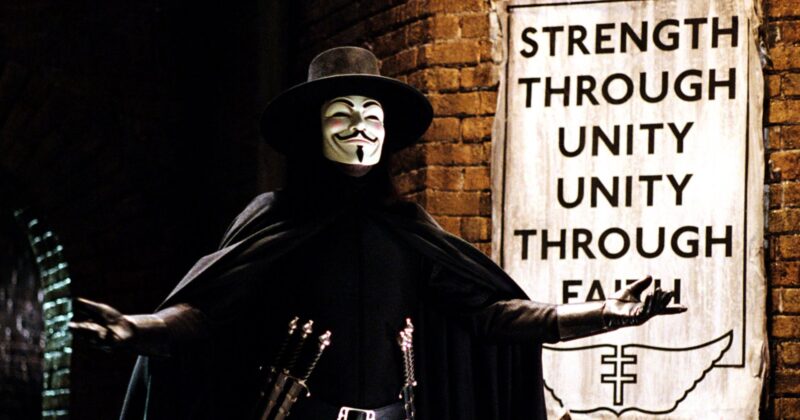
On the other hand, Hugo Weaving embraced this constraint as an artistic liberation. According to McTeigue, wearing the mask was like «freedom» to Weaving. This embrace enabled him to convey the complex emotions and ideological fire of V through controlled gestures, movements, and his memorable voice, which sharpened the film’s impact remarkably.
Collaborative Craftsmanship Behind V’s Voice and Movement
The collaboration between McTeigue and Weaving extended beyond the initial shooting. Since the mask prevented normal on-set audio capture, Weaving engaged in extensive ADR (automated dialogue replacement) sessions, where he would reinvent and refine the character’s delivery multiple times. This iterative process allowed the actor to explore varied nuances in V’s tone—from cold calculation to fervent idealism—without ever breaking the character’s mysterious aura.
Weaving’s dedication to embodying V went further than vocal work. The physicality, such as the throwing of knives, was acted out fully in ADR to synchronize movement and sound authentically. This meticulous attention to detail contributed to the seamless integration of the mask into the performance, making V not just a masked vigilante, but a symbol of revolutionary spirit.
The Wider Creative Team and Enduring Legacy
While the casting change is a compelling piece of V for Vendetta’s production lore, the film’s staying power is owed to more than just the lead actor. The Wachowski sisters’ screenplay adaptation brilliantly translated Alan Moore’s graphic novel into a cinematic experience rich in political allegory and emotional complexity. Natalie Portman’s portrayal of Evey Hammond further grounded the story, capturing the audience’s empathy as her character moves from fear to fierce resistance.
The costume design, particularly the Guy Fawkes mask worn by V, transcended the film to become a global emblem for rebellion and anonymous protest, inspiring movements and cultural references far beyond the screen.
James Purefoy’s Career Beyond V
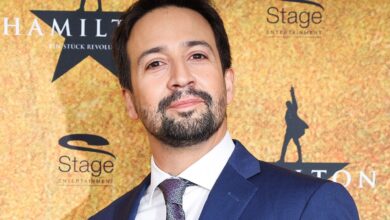
Despite his departure from V for Vendetta, James Purefoy carved out a remarkable path in television and film. Viewers might recognize him from intensely dark roles such as Joe Carroll in Fox’s The Following or his recent turn as Stefan Skellan in Netflix’s The Witcher season 4. Looking to the near future, Purefoy is set to appear as King Randor in the live-action adaptation of Masters of the Universe, showcasing his versatility and enduring appeal.
New Horizons: A V for Vendetta Series in the Works
The world of V for Vendetta continues to evolve with upcoming projects aiming to expand its narrative universe. HBO is developing a V for Vendetta series as part of its growing slate of DC properties. With Peter Jackson attached to both write and direct, and production overseen by DC Studios’ James Gunn and Peter Safran, this fresh adaptation promises to reinterpret the material for a new generation, reaffirming the story’s relevance in contemporary discussions about freedom, identity, and resistance.
This new adaptation could further deepen the complex themes originally brought to life in the film and graphic novel, potentially exploring the narrative with greater nuance afforded by episodic storytelling and current technological advances in production.