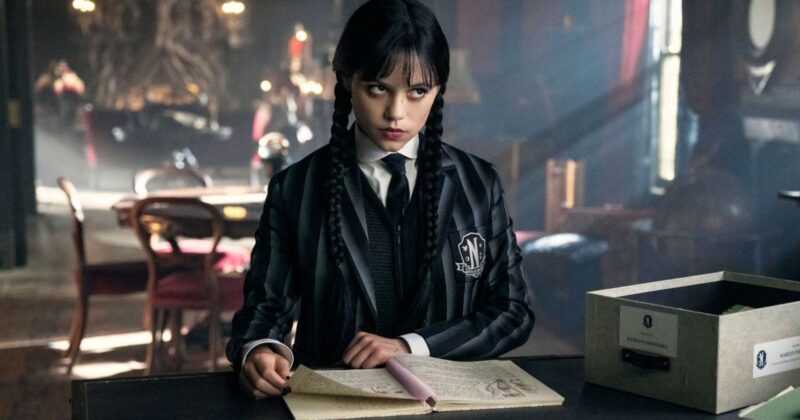
Netflix’s Wednesday Evolves: Season 3 Embraces a Bold Genre Shift and Expands Its Dark Universe
Wednesday’s Dynamic Evolution: From Gothic High School to a Broader Supernatural Epic
Since its debut, Netflix’s Wednesday has captivated audiences with its perfect blend of gothic atmosphere, supernatural mystery, and dark humor, all anchored by Jenna Ortega’s compelling portrayal of the iconic Addams Family daughter. Yet, as the series enters its third season, it’s undergoing a remarkable transformation—one that promises to refresh the narrative, deepen character arcs, and boldly explore new territory.
While the original high school setting of Nevermore Academy provided a rich, contained world that was ideal for establishing the quirky supernatural drama, Season 3 pivots away from these familiar surroundings toward an international stage, specifically to the enchanting backdrop of Paris. This shift is more than geographical; it heralds a significant genre evolution that could redefine the show’s identity and creative scope.
Breaking Free from the High School Mold
Supernatural teen dramas often come with built-in limitations. Centering a story around a school confines narrative possibilities, especially when bound by the rigid four-year timeframe of high school. As fans of shows like Teen Wolf or The Chilling Adventures of Sabrina will attest, the youthful supernatural genre risks stagnation if it remains tethered too long to repetitive tropes of school dances, cliques, and adolescent angst.
Wednesday initially thrived within these constraints, but the time has come to release the story from its boarding school dorm walls. Expanding the horizon allows the series to dive into more complex storylines — exploring mature themes, international intrigue, and expanded mythologies tied to the Addams family and the mysterious powers Wednesday herself wields.
The Rise of the Raven and Werewolf Mysteries
The narrative cliffhanger from Season 2, centered on Enid Sinclair—the werewolf roommate and best friend—promises to ripple profoundly through the forthcoming season. Tuesday’s quest to either save or end her alpha werewolf companion offers a thrilling plot infused with tension and dark emotional stakes.
Simultaneously, Wednesday’s dawning awareness of her unique identity as a raven—an enigmatic psychic with the ability to tap into ominous spiritual currents—adds compelling layers to the series’ mythology. This power opens creative avenues that can blend gothic horror, mystical intrigue, and even noir-esque suspense, elevating the show’s tone far beyond its teen mystery roots.
Expanding the Addams Universe
Season 3 also promises to spotlight a richer ensemble beyond the eponymous Wednesday. Iconic characters such as Morticia Addams, portrayed by Catherine Zeta-Jones, gain more narrative weight, allowing viewers to explore the family’s intricate dynamics from fresh perspectives.
One of the most intriguing new threads is the revelation surrounding Wednesday’s ostracized aunt, Ophelia Frump, played by Eva Green. This character’s arc seems poised to introduce unexpected twists that could redefine legacy and loyalty within the gothic clan, highlighting the series’ growing ambition to intertwine family secrets with supernatural intrigue.
Tim Burton’s Signature Influence Deepens
Although Tim Burton directed only half of the episodes in the first two seasons, his role as an omnipresent executive producer has been pivotal. The third season is described as “the most Tim Burton ever,” doubling down on the director’s distinctive visual flair, macabre humor, and atmospheric storytelling. This promises not only stylistic consistency but also the creative boldness to push Wednesday boldly into the realms of gothic fantasy and surreal horror.
Why This Genre Shift Matters for Modern Streaming
Streaming platforms like Netflix thrive on reinvention and sustaining long-term viewer engagement, and genre fluidity is a powerful tool in this arsenal. By evolving from a contained supernatural high school drama into a multifaceted narrative involving international settings, complex mythologies, and mature themes, Wednesday exemplifies how shows can grow with their audiences.
This strategy also reflects a broader cultural appetite: audiences crave layered storytelling that respects their intelligence and rewards viewer investment with expanding worlds and characters who face nuanced moral dilemmas beyond teenage identity crises. Moreover, weaving in elements of psychic phenomena, international mystery, and gothic family drama ensures the series stands out within the saturated fantasy genre space.
What To Expect From The Technical and Storytelling Aspects
From a production standpoint, the Paris setting offers a varied visual palette unlike the moody hallways of Nevermore Academy. Scenic backdrops blending historic Parisian architecture with dark, eerie aesthetics will create a fresh yet familiar atmosphere—perfect for the show’s signature blend of spookiness and style.
Scriptwriting is expected to embrace longer, more intricate plotlines, given the broader geographical and emotional landscapes. Character development will be crucial, especially for supporting roles like Morticia and Tyler, Wednesday’s complicated ex-flame. This ensemble focus will enable the series to explore new thematic territories without losing its core identity.
Finally, the incorporation of psychic and werewolf mythologies expands the creative toolkit, allowing for innovative visual effects and narrative devices that keep viewers engaged season after season.