The Dark and Emotional World of Wasteman
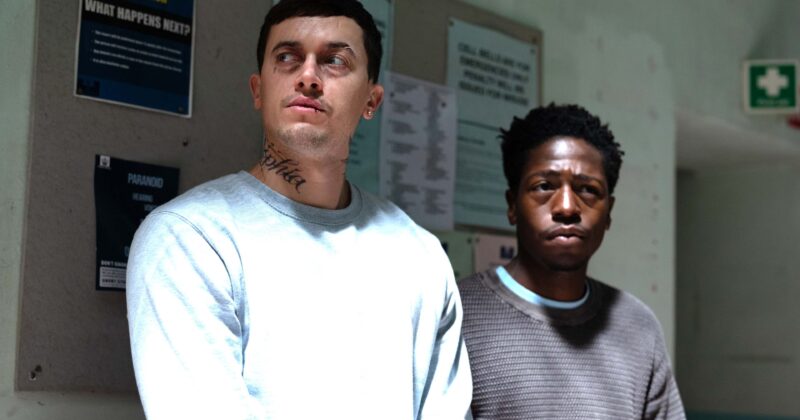
Wasteman plunges viewers into a gripping narrative set within the claustrophobic and volatile confines of a prison, where the past and present collide for Taylor, portrayed by David Jonsson. After enduring 13 years behind bars, Taylor faces the daunting possibility of parole. As he wrestles with uncertainty about freedom and a chance to reunite with his teenage son, a new cellmate disrupts his fragile equilibrium — Dee, played with raw intensity by Tom Blyth.
Dee is volatile, hot-headed, and driven by desperation. He quickly establishes a makeshift drug operation within the prison walls, a risk escalating tensions with other inmates and forcing Taylor into a complex, reluctant alliance. Their relationship unfolds amidst brutal violence and moral compromises, showcasing how survival instincts twist trust and loyalty into fraught, unstable dynamics.
A Brutal Turning Point: Dee’s Death and Its Creative Challenges
The climax of Wasteman is a compelling study in character and consequence. When Dee’s operation is violently exposed by rivals Gaz and Paul, the tragedy unravels rapidly. Taylor, trapped between protecting himself, his son, and his cellmate, faces impossible choices. Ultimately, he opts to sabotage Dee, slipping drugs into his food rather than assassinating their aggressors. This culminates in a poignant, heart-wrenching moment where Dee, exhausted and betrayed, succumbs in a drug-induced overdose Victoriously filmed as Taylor scrambles to cover up any evidence.
Actor Tom Blyth’s portrayal of Dee’s demise was notably taxing on a personal level. He describes filming the death scene as “quite traumatizing,” reflecting on the intimate bond actors develop with their characters—even flawed ones. Blyth stresses the importance of loving a character authentically to do them justice, which made saying goodbye to Dee both emotionally complex and a form of catharsis after the intense shoot.
David Jonsson echoes these sentiments, highlighting the symbolic ‘yin and yang’ balance between Taylor and Dee. Dee’s death fractured this duality, leaving Taylor adrift in a dramatically altered world. Jonsson admits the emotional weight of filming that final scene was considerable, as it dismantled the relationship that had driven much of the film’s tension.
Exploring Taylor’s Uncertain Future Beyond Prison Walls
The film closes with Taylor’s release, an uncertain new chapter filmed through the lens of another inmate, symbolizing both surveillance and a fresh perspective. Director Cal McMau and the cast deliberately leave Taylor’s future ambiguous, reflecting the reality faced by many who reenter society after incarceration.
Jonsson comments on the difficulty of reintegration, referencing their collaboration with the charity Switchback, which assists former prisoners adapting to life outside. The film quietly critiques the sparse support systems available, making Taylor’s open-ended fate not just a narrative choice but a commentary on societal challenges.
Wasteman’s narrative arc and thematic depth benefit immensely from this refusal to provide neat resolutions. Instead, the film invites audiences to ponder the harsh realities former inmates face—freedom shadowed by trauma, addiction, and fractured alliances.
Technical and Thematic Notes on Wasteman
Under Cal McMau’s direction, Wasteman is stylistically gritty, combining raw performances with a claustrophobic visual palette that immerses viewers in prison life. The tightly constructed 90-minute runtime elevates tension without sacrificing character nuance, a testament to writers Eoin Doran and Hunter Andrews’ screenplay.
Supporting performances from actors like Alex Hassell and Corin Silva add layers to the prison’s ecosystem, depicting the pervasive threat of violence and the survival-driven hierarchy. The film’s thriller pacing keeps audiences engrossed while exploring themes of loyalty, betrayal, redemption, and systemic failure.
Wasteman’s critical acclaim—boasting a rare “Certified Fresh” rating—reinforces its resonance with contemporary audiences hungry for stories combining social relevance with emotionally charged storytelling. The film’s successful theatrical launch in the UK and North America speaks to its universal themes and compelling character work.
Final Thoughts on Viewing Experience
For connoisseurs of intense dramas and realistic depictions of complex societal issues, Wasteman offers a powerful, unflinching look at the aftershocks of incarceration. Tom Blyth and David Jonsson’s chemistry, marked by tension and empathy, elevates the film beyond a simple thriller, making it a character-driven study of trauma, friendship, and survival under extreme pressure.
This is a film that asks difficult questions without easy answers, inviting discussions far beyond its runtime about the prison system, addiction, and personal transformation. Taylor’s story remains with the audience, a reminder that freedom is not always liberation, but often the beginning of another battle.