Outlander Season 8 Sparks Creative Controversy Over Key Character Death Alteration

The High Stakes of Adaptation: When TV Diverges From Its Source
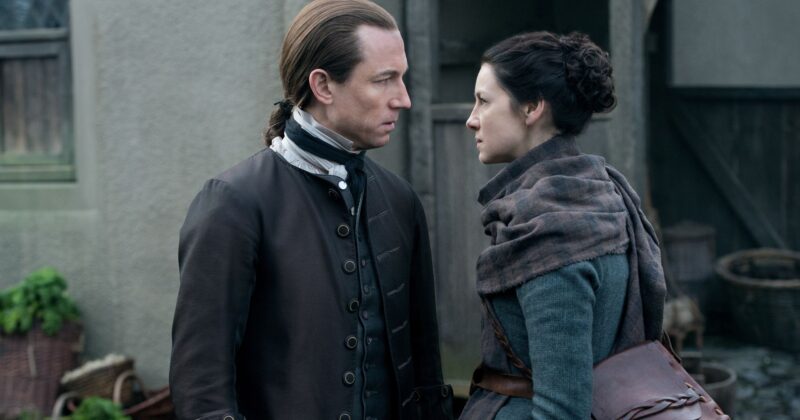
Outlander, the beloved historical drama that masterfully blends romance, time travel, and political intrigue, has ignited a passionate discussion among its fanbase and even its original author over creative liberties taken in its eighth season. The series, centered on Claire Randall—a World War II nurse who finds herself transported to the turbulent 18th-century Scottish Highlands—has long captivated audiences with its dedication to adapting Diana Gabaldon’s expansive novels. But when a pivotal death scene took a surprising turn on screen, it stirred controversy, casting a spotlight on the often delicate balance between adaptation fidelity and television storytelling choices.
The Death That Sparked Outcry: Fergus vs. Henri-Christian
One of the most debated creative decisions in Season 8 involves the fate of Fergus Fraser, portrayed by César Domboy. In the original novels, the death of a different character—Henri-Christian, Fergus’ son—serves as a brutally emotional catalyst that profoundly shapes the narrative’s trajectory. This scene is raw, harrowing, and integral to the thematic depth of Gabaldon’s work. However, the TV adaptation diverged sharply by choosing to depict Fergus’ death instead, a move that was met with palpable disappointment from the author herself.
Diana Gabaldon expressed her frustration candidly, criticizing the production team’s hesitation to portray the darker, more unsettling elements embedded in her original storyline. From her perspective, substituting Fergus’ death for Henri-Christian’s not only lessened the emotional impact but actively undermined the story’s intent. She went as far as to label this choice as lacking the courage to execute the narrative as intended, suggesting that avoiding the difficult moment altogether would have been a more honorable alternative than an unsatisfactory replacement.
Character Dynamics Altered: The William Ransom and Lord John Grey Thread
Another significant departure from the novels involves the relationship between William Ransom and Lord John Grey. In the TV series, William stumbles upon a revealing moment between Lord John and Percy, which exposes Lord John’s sexuality and further complicates the tension in their family dynamic. While this might seem like an intriguing plot addition, Gabaldon criticized the choice, asserting that this storyline offers little meaningful character development or narrative progression compared to its book counterpart.
According to the author, the addition operates more as a shock device rather than a thoughtful expansion of the story, failing to honor the nuanced, gradual exploration of relationships found in the novels. Such decisions highlight the challenges adaptations face when attempting to maintain fidelity while catering to television pacing and audience expectations.
Understanding Adaptation Challenges in Contemporary TV
The tension between source material fidelity and adaptation creativity is nothing new in the world of TV and film. Particularly for sprawling book series with deep lore and intricate character arcs, condensing complex narratives into episodic format demands difficult choices. Outlander’s showrunners have navigated a web of expectations—from loyal readers deeply connected to Gabaldon’s detailed storytelling, to TV audiences craving cinematic thrills and drama.
Yet, altering emotionally pivotal scenes like character deaths entails risks beyond mere narrative shifts. These moments often serve as emotional keystones, anchoring character motivations and thematic resonance. When such keystones are removed or replaced, it can ripple through audience investment and critical reception, sometimes alienating the very fan communities that sustained the series’ success.
The Cultural Weight of Death Scenes in Storytelling
Death scenes in dramas like Outlander carry symbolic and emotional gravity. They often represent transformation, loss, or the irreversible consequences of political and personal conflict. The visceral impact of Henri-Christian’s death in the books, for example, echoes the brutal realities of the time period while offering a poignant commentary on innocence and sacrifice.
By sidestepping this specific tragedy in favor of killing Fergus instead, the show not only changes the narrative’s emotional focus but shifts audience empathy and character trajectories. Such choices inevitably invite scrutiny regarding what adaptations prioritize: visual immediacy, character popularity, or narrative coherence. Gabaldon’s vocal critique underscores the importance of respecting the source material’s emotional beats, especially when those moments define the story’s essence.
Outlander’s Continued Evolution: Between Audience Expectation and Creative Vision
Beyond specific plot points, Outlander’s evolving storyline serves as a case study in the pressures facing modern television adaptations. Showrunners must balance dramatic tension, character arcs, and network demands with the expectations of a dedicated readership. Changes such as those in Season 8 reflect broader industry trends where streaming platforms and serialized storytelling push creators to craft moments that resonate immediately, sometimes at the expense of layered narrative development.
Critically analyzing these adaptation choices also enables viewers and fans to better appreciate the complex narrative engineering behind the scenes. While some alterations may disappoint, they provoke important conversations about storytelling integrity, audience engagement, and the evolving language of televised drama.
New episodes of Outlander continue to stream weekly on Starz, inviting ongoing debate and enthusiasm from a global audience tuned into the unfolding saga of love, war, and time.