FX’s The Patient: A Dark Psychological Thriller Echoing The Sopranos and Hannibal

A New Psychological Thriller Molded by TV Classics
In the contemporary landscape of psychological thrillers, FX’s miniseries The Patient stands out as a profoundly unsettling exploration of the human psyche. Drawing clear inspiration from iconic TV dramas like The Sopranos and Hannibal, this 10-episode series boldly revisits and melds elements of crime, therapy, and psychological tension into a claustrophobic narrative that grips viewers from start to finish.
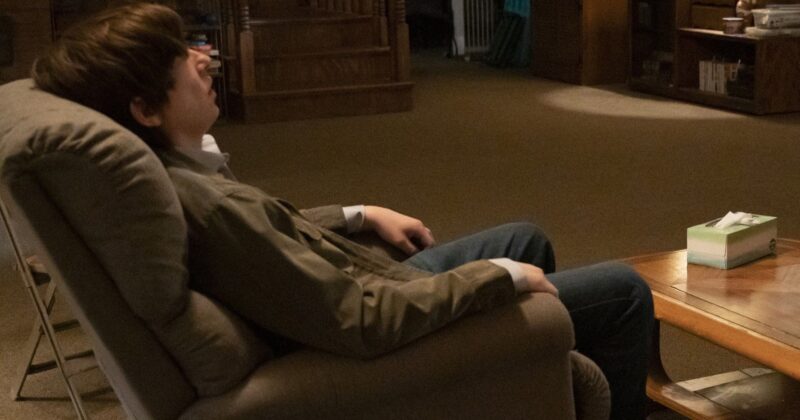
At its core, The Patient delves into the fraught dynamic between Sam Fortner, a therapist, and his obsessive captor, a serial killer, trapping the audience within the grim confines of a basement where much of the storytelling unfolds. This setting intensifies the psychological stakes, echoing the intimate yet volatile therapy sessions that defined Tony Soprano’s complex relationship with his psychiatrist and the chilling mind games shared with Hannibal Lecter.
Performances That Elevate the Drama
Steve Carell, who is typically celebrated for his comedic brilliance, delivers one of his best performances here, pivoting into darker, more nuanced territory. Opposite him, Domhnall Gleeson embodies Sam Fortner with a quiet intensity that is both compelling and deeply unsettling, capturing the psychological rot that defines his character’s captivity and survival. Gleeson’s portrayal creates a palpable tension, reflecting a hostage’s desperate resilience blended with creeping trauma.
Innovating on Familiar Themes
Although The Patient is rooted in themes pioneered by earlier series, it distinguishes itself by channeling this legacy through a fresh, minimalist lens. Rather than sprawling across multiple environments, the narrative’s confinement to a single oppressive space heightens the emotional and psychological claustrophobia, making every gesture and dialogue exchange heavy with subtext and dread.
The psychological thriller further advances traditional storytelling by examining the ethical and emotional interplay between captor and captive, adding depth to the trope of humanizing antagonists. The series invites viewers to ponder the ambiguous boundaries of empathy, manipulation, and survival, all set against a backdrop of clinical psychological analysis entwined with life-or-death stakes.
The Sopranos and Hannibal: Foundational Inspirations
When considering The Patient, one cannot ignore how much it owes to the groundbreaking narrative architecture of The Sopranos and Hannibal. The Sopranos revolutionized television by weaving the personal struggles of a mob boss with his therapy sessions, giving viewers unprecedented insight into the mind of a violent yet vulnerable man. Meanwhile, Hannibal blended horror and psychological crime drama to present a sophisticated cat-and-mouse relationship steeped in elegance and menace.
The Patient echoes these sophisticated narrative models in its focus on the therapist-patient relationship, but flips the dynamic by situating the therapist as the victim, forced to navigate the psyche of a dangerous psychopath from a position of powerlessness. This inversion creates a fresh tension and underscores the evolving complexity of psychological thrillers on television.
Character Depth and Narrative Tension
Sam Fortner’s characterization channels some of the same emotional conflicts seen in Tony Soprano’s therapy sessions — wrestling with fear, guilt, and the instinct to protect one’s own life. Meanwhile, the captor’s personality has touches reminiscent of Hannibal Lecter’s terrifying charm and intellectual dominance. This duality enriches the story, offering a riveting study of psychological entrapment and manipulation.
Critical Acclaim and Viewer Reception
Despite not immediately achieving widespread buzz at launch, The Patient has garnered significant praise for its unflinching approach and masterful performances. With an 89% rating on Rotten Tomatoes, it has made a strong impression among critics and discerning audiences who value deeply layered, character-driven thrillers.
Why The Patient Matters in Today’s TV Landscape
In an era saturated with numerous crime dramas and thrillers, The Patient distinguishes itself through its psychological depth, focused storytelling, and stripped-back production design that places character before spectacle. It recognizes the enduring appeal of classic psychological storytelling while adapting those elements for a modern audience that craves complexity and nuance.
The miniseries suggests a broader shift in how narratives about violent crime and mental health can be portrayed with sensitivity and raw honesty. It challenges viewers to confront the blurred lines between madness and control, victimhood and complicity — themes that resonate powerfully in our current social climate.
Exploring Themes Through Minimalism
Where many thrillers opt for multiple plotlines and sprawling casts to maintain suspense, The Patient leverages the tension created through its minimalist approach. Focusing heavily on dialogue, posture, and mood, every scene is charged with meaning, encouraging patience and introspection from the audience. This approach harks back to the intense therapy scenes of The Sopranos while embracing the psychological horror elements that made Hannibal so compelling.
This tight narrative control demonstrates how effective modern TV storytelling can be when stripped of excess and delivered with confidence, relying on writing and acting to build a world dense with psychological intrigue.