How HBO’s True Detective Sets the Standard for Exceptional Ensemble Casting
A Masterclass in Casting Elevating Crime Anthology Television
When discussing television series that owe much of their acclaim to impeccable casting, HBO’s True Detective inevitably enters the conversation. This anthology crime thriller, crafted with a unique approach of rotating stories and protagonists each season, showcases an array of stellar actors who bring depth and nuance beyond their scripts. The series’ ability to attract top-tier talent—from Hollywood veterans to rising stars—has consistently elevated the material, even as the show’s thematic and narrative shifts sometimes sparked debate among critics and fans.
The importance of casting in television cannot be overstated. Shows like Breaking Bad and Firefly not only gained cult status partly due to their compelling storylines, but also because of actors whose portrayals became iconic, defining their respective roles. Similarly, True Detective exemplifies how a carefully chosen ensemble can transform an anthology series into an eagerly anticipated event every season.
Anthology Format: A Stage for Diverse Talents
Unlike traditional serialized crime dramas, True Detective pilots a bold anthology format where each season transports viewers to a new location with entirely new detectives and narratives. This approach allows casting directors to refresh the series each cycle, experimenting with different ensemble dynamics and acting styles. While the plot and tone have varied widely—from gritty, philosophical noir tinged with supernatural undertones to more grounded procedural cases—the consistently strong casts provided a reliable anchor.
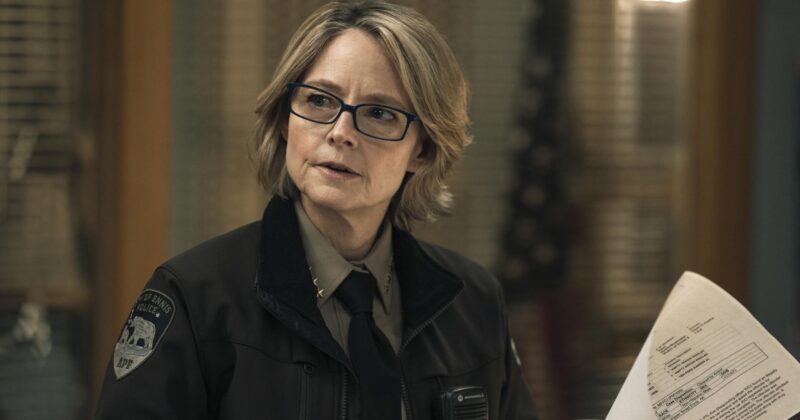
The first season remains a landmark in television history, introducing audiences to Matthew McConaughey’s brooding, existential detective Rust Cohle. His on-screen chemistry with Woody Harrelson’s character created one of the most compelling partnerships in TV crime lore. However, the show’s willingness to reinvent itself annually opened doors for actors such as Colin Farrell, Jodie Foster, Rachel McAdams, Vince Vaughn, and Mahershala Ali, all of whom brought unique gravitas and charisma to their respective roles.
Crafting Characters: Depth Over Plot
One of the series’ distinguishing features lies in its dedication to character-driven storytelling. Even at moments when the plot faltered or suffered from tonal inconsistencies, the performances often rescued the narrative. The casting process prioritized selecting actors capable of embodying complex, oftentimes morally ambiguous characters, fostering a rich psychological landscape for viewers to explore.
For example, the contrast between McConaughey’s intense, philosophical Rust and Harrelson’s more grounded, world-weary detective in season one highlighted the show’s capacity for nuanced dual performances. Later seasons, albeit controversial in their reception, leveraged the strengths of their ensembles to probe human flaws and societal decay in distinct regional contexts.
Supernatural Elements in a Crime Procedural Landscape
Integrating supernatural motifs within a crime procedural setting was a daring innovation, especially noted in the debut season’s atmospheric storytelling. This blend broadened the genre’s horizons, creating a more textured and immersive viewing experience. Shows like Dark Winds have since followed in these footsteps, proving that supernatural undertones can harmonize effectively with crime narratives. Such creative choices underscore the showrunner’s ambition to transcend traditional detective fiction boundaries.
A Platform for Emerging Talent and Established Icons Alike
True Detective has proven fertile ground for emerging actors who later broke into mainstream success. Erin Moriarty’s appearance precedes her breakout role in the high-profile series The Boys, illustrating how the show serves as a launchpad for fresh talent. Simultaneously, HBO’s pull attracts seasoned actors like Jodie Foster, demonstrating a unique balance between nurturing careers and securing star power to captivate audiences.
Expanding Creative Horizons with Time and Place
The anthology format’s intrinsic flexibility allows each season to explore varying eras and geographical settings, giving the series a near-limitless canvas. From the hauntingly moss-covered bayous of Louisiana to the rocky, cold expanse of Alaska in the latest installment, the show uses location as a character itself, enriching narratives with culturally distinct atmospheres. This approach has sparked interest in lesser-known regional folklore and history, inviting viewers into fresh environments that challenge and redefine crime storytelling norms.
Critical Reception Reflecting the Power of the Ensemble
Across its multiple seasons, True Detective has experienced fluctuating critical and audience responses, with ratings reflecting the varied reception of its stories. Yet, the consistent factor praised by critics remains the quality of the cast. Whether the season leans toward a dark existential mystery or a more straightforward procedural, the performances provide a compelling reason to keep tuning in.
This sustained praise for its ensembles confirms how crucial casting decisions are in crime dramas. A show might explore dense themes or complex plots, but it is the actors who breathe life into the scripts and connect emotionally with the audience, ensuring the show’s legacy transcends its narrative ups and downs.
The Road Ahead: Infinite Storytelling Possibilities
With its experimental format and remarkably talented actors, True Detective stands as a testament to how television can evolve traditional genres into something extraordinary. The combination of unique period settings, psychological complexity, and strong ensembles sets a blueprint for future anthologies. Whether the series decides to continue venturing into fresh territories or inspire similar innovations, the potential to craft unforgettable crime stories remains virtually limitless.