The Mummy Reinvents Horror with a Darker, R-Rated Vision from Director Lee Cronin

A Bold New Chapter for the Mummy Franchise
The Mummy franchise has undergone a significant transformation with the arrival of its latest installment, helmed by director Lee Cronin and produced by the horror maestro James Wan alongside Blumhouse. Departing from the traditionally lighter, PG-13 tone that has defined the series for nearly three decades, this fresh take boldly embraces an R rating, signaling a darker, more visceral cinematic experience that aims to ground the supernatural in raw emotional stakes.
A Standalone Story Rooted in Family and Horror
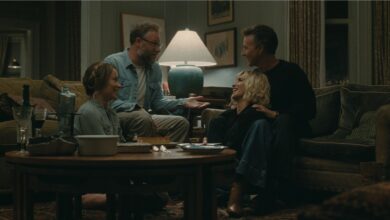
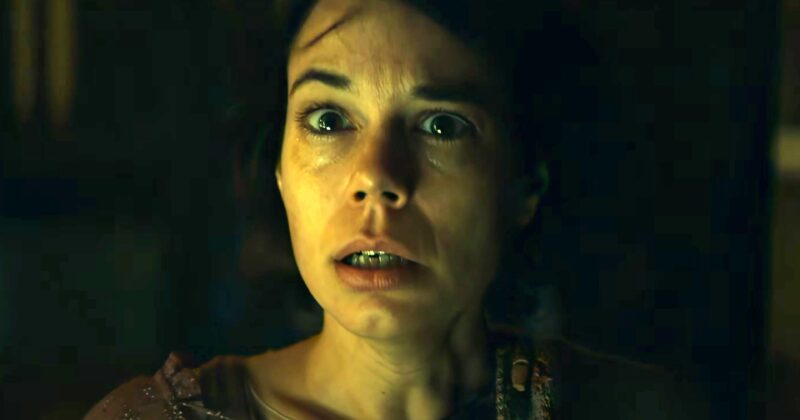
Rather than continuing the adventure-infused or action-centric narratives that fans have grown used to, Cronin’s The Mummy centers on a deeply personal and unsettling story. It follows American journalist Charlie Cannon and his wife Larissa as they grapple with the unimaginable—after eight years of mourning their daughter Katie’s disappearance, she is suddenly found preserved in an ancient sarcophagus. But Katie’s return does not bring relief; instead, it spirals into disturbing and sinister territory, peeling back layers of mystery and psychological horror.
The Creative Vision Behind the R-Rated Shift
When discussing the decision to break the franchise’s 27-year streak of non-R rated entries, Lee Cronin shared there was no need for constraint talks since everyone involved understood his creative style and appetite for a more uncompromising horror approach. Importantly, this move isn’t about gratuitous gore for shock value; Cronin is deliberate about employing extreme content to enhance storytelling. He stresses the importance of creating a fully immersive experience where audiences first connect emotionally with the characters and their familial pain before the tension escalates toward darker manifestations.
One of Cronin’s intriguing storytelling decisions is a memorable, unsettling scene involving a toenail that blends emotional resonance with graphic horror, exemplifying how visceral moments serve a narrative purpose rather than mere spectacle. This measured balance is what fosters a terrifying atmosphere grounded in character-driven stakes.
James Wan’s Influence and the Horror Legacy
James Wan’s involvement adds another layer of credibility to this horror reboot. Known for establishing and producing some of the most influential modern horror franchises such as Saw, The Conjuring, and Insidious, Wan brings extensive experience in marrying intense gore with compelling narratives. His track record also includes producing the M3GAN films and adaptations like Mortal Kombat and Stephen King’s The Monkey, all of which blend visceral thrills with substance. Much like Cronin’s previous work on The Hole in the Ground and Evil Dead Rise—two films notorious for their R-rated intensity and boundary-pushing imagery—the new Mummy promises similarly grounded, impactful scares.
A New Tonal Direction for a Classic Monster
This darker vision marks a clear tonal shift from earlier Mummy renditions. The classic Universal monster movies favored serious, eerie atmospherics; the Hammer films fancied campy B-movie thrills; and the late ’90s Brendan Fraser trilogy embraced a blend of adventure and light horror, often compared to Indiana Jones’ globetrotting fun. Meanwhile, Tom Cruise’s Dark Universe reboot tried mixing blockbuster action with supernatural horror but failed to resonate critically or commercially.
By embracing a straightforward horror approach, Cronin’s take distinguishes itself sharply from past iterations. It opts for genuine dread over spectacle, aiming to reinvigorate the franchise’s mythos with psychological depth and a grounded tone. This reinvention arrives timely as a highly anticipated fourth Fraser Mummy film is underway, slated for a 2028 release, suggesting a diverse future for the franchise’s legacy.
Production and Expectations
While budget specifics remain under wraps, the film is believed to have been made with approximately $20 million, aligning with other successful Blumhouse horror projects. Early buzz points to a matching box-office debut in the same range, signaling strong anticipation among horror enthusiasts. Critics and early viewers have lauded the film’s commitment to intense horror and striking visuals, underscoring Cronin and Wan’s dedication to purposeful extremity rather than empty gore.
The Impact on Horror Reimaginings
Similar to Blumhouse’s successful reinvention of The Invisible Man, this version of The Mummy may serve as a catalyst revitalizing classic monster properties through grounded, emotionally charged storytelling combined with mature horror elements. Such creative shifts illustrate a broader trend where beloved franchises are not mere nostalgic throwbacks, but evolving narratives that embrace darker themes and push genre boundaries with meaningful context.