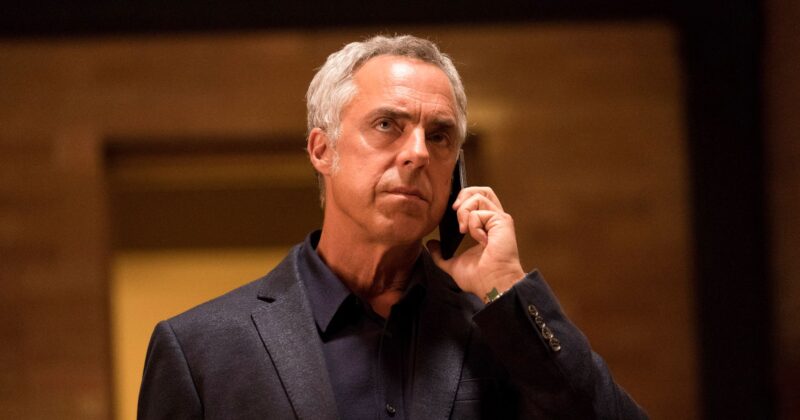
The Lincoln Lawyer Season 5’s Missing Element: Why the Harry Bosch Crossover Could Have Transformed the Show’s Most Shocking Betrayal

The Lincoln Lawyer’s Unseen Crossover Wish
Fans of The Lincoln Lawyer have long hoped for a crossover with Harry Bosch, the iconic detective from Michael Connelly’s universe. Both characters, rooted in gripping legal and crime narratives, would bring a dynamic synergy to the screen. Yet, despite its potential, the crossover remains elusive due to licensing constraints: Harry Bosch is owned by Amazon Prime Video as part of the Ballard spinoff, while The Lincoln Lawyer is a Netflix series. This platform territoriality has created an insurmountable barrier, leaving The Lincoln Lawyer permanently without its most potent counterpart.
While the show has introduced characters like Emi Finch to partially fill the void left by Bosch’s absence, the emotional weight and narrative complexity Bosch naturally delivered are unmatched, especially as the series adapts source novels like Resurrection Walk—known for pivotal moments that hinge on Bosch’s character.
Maggie’s Courtroom Betrayal: A Moment Missing Bosch’s Gravitas
Resurrection Walk is marked by a striking narrative twist: Maggie McPherson’s unexpected and ruthless betrayal of Mickey Haller. Previously depicted as a co-parenting ally rather than an adversary, Maggie reveals a darker facet by weaponizing Harry Bosch’s private medical information in court. This betrayal is not just shocking—it cuts deep into personal trust and professional ethics, using Bosch’s cancer treatment, shared informally during a family dinner, as leverage to depict him as cognitively unfit.
Such an intense emotional moment relies heavily on Bosch’s established relationship with both Mickey and Maggie, and on Titus Welliver’s nuanced portrayal, which captures vulnerability entwined with resilience. Without Bosch’s presence, this betrayal loses a layer of depth and intimacy. It’s not simply a plot device, but a searing personal attack that resonates due to Bosch’s proximity and history within the story.
Adapting the Betrayal Without Bosch: Challenges and Alternatives
Translating this key scene for the screen without Bosch poses significant challenges. The narrative hinges on targeting someone with a medical vulnerability relevant to the investigation, a factor that’s difficult to transpose onto new characters without undermining the emotional complexity.
Introducing Emi Finch as someone facing cancer treatment would be an abrupt and heavy development without sufficient backstory, risking unearned sentimentality. Cisco, Mickey’s investigator, presents another option; his cancer diagnosis could theoretically fulfill this role. However, lacking the close personal ties that Bosch shared, the betrayal’s impact diminishes, becoming a more clinical or strategic courtroom tactic than an gut-wrenching breach of trust.
Other candidates like Lorna, Izzy, or Grace either lack the necessary role connection or emotional weight to make a similar betrayal scene effective. Consequently, showrunners face an unenviable choice: either drastically alter the storyline or omit this dramatic moment altogether, both of which dilute the narrative’s intensity.
The Deeper Rift Between Mickey and Maggie
Beyond the courtroom drama, Maggie’s actions illuminate deeper ideological and character-based divides. Mickey Haller, as a defense attorney, operates in morally gray territories but refuses to cross certain lines. Maggie, a prosecutor, carries an air of moral superiority, believing her role inherently justifies her actions. Her courtroom attack furthers the portrayal of her as calculating, justifying unethical means with self-righteous ends.
This contrast is more than just plot tension; it’s a thematic exploration of law, justice, and personal ethics. Where Mickey admits flaws openly, Maggie’s betrayal exposes hypocrisy and deeper fractures in their relationship—a complexity that any adaptation must carefully balance to maintain authenticity.
Why a Reunion Between Mickey and Maggie Would Ring Hollow in Season 5
Season 4 closed the chapter on Mickey and Maggie’s strained relationship with cautious optimism—but based on Resurrection Walk’s material, reconciling their differences too quickly or superficially would undermine the narrative stakes perfectly crafted in the source. Their dynamic embodies the messy intricacies of personal and professional overlap, showcasing that some betrayals leave scars not easily healed.
In crafting the future arcs, the show has rich thematic soil to explore fractured trust, emerging adversaries, and the personal toll of legal battles without necessitating a rushed romantic reconciliation. Instead, this opens room for fresh characters and storylines that push Mickey’s journey forward while respecting past conflicts.
A Narrative Worth the Wait?
The absence of a Harry Bosch crossover represents a tangible loss for The Lincoln Lawyer fans—one that affects not just potential action-packed episodes but the emotional punctuation that Bosch’s presence could bring to character drama and storytelling. While Netflix’s adaptation creatively navigates these gaps, certain moments, like Maggie’s betrayal, reveal the limits of adaptation without Bosch’s signature complexity.
As streaming platforms continue to compete and lock down character rights, the longing for crossover events that blend rich fictional universes remains a pressing issue for serialized storytelling. Until then, The Lincoln Lawyer will forge its own path, armed with compelling characters but eternally missing the driving force that Harry Bosch could provide.