The Controversy Over the Art Style of The Legend of Zelda: Ocarina of Time Remake

The Legend of Zelda: Ocarina of Time — A Timeless Classic Awaiting Its Modern Revival
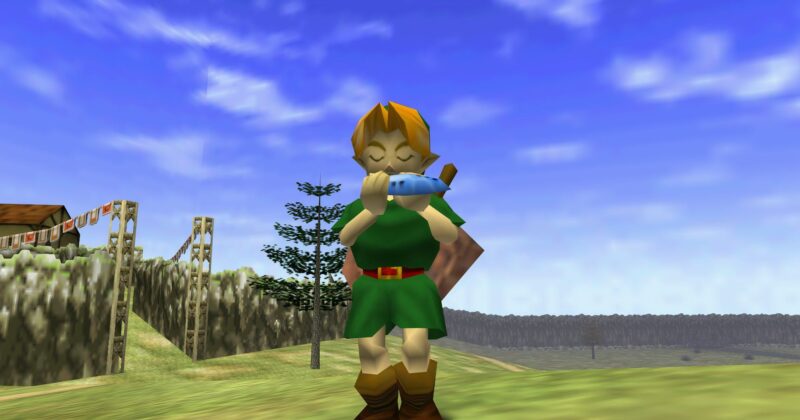
Since its groundbreaking debut in 1998, The Legend of Zelda: Ocarina of Time has stood as a pillar of gaming history. Revered for pushing the boundaries by introducing 3D graphics in one of Nintendo’s flagship franchises, it transformed fantasy adventure gaming and remains a beloved experience for millions. Yet, despite how seminal it is, fans have long awaited a full-scale remake that matches the standards set by modern Nintendo hardware, like the Switch and beyond.
While Ocarina of Time 3D arrived on the Nintendo 3DS in 2011, offering improved visuals and camera mechanics, this iteration does not quite satisfy the appetite for a robust, contemporary remake with updated graphics and gameplay refinements on current consoles. For years, Nintendo’s reluctance to officially announce such a project has left the community speculating—wondering why one of the most iconic entries in the Zelda franchise has not yet received proper revitalization for modern platforms.
Speculation and Debate: How Should the Ocarina of Time Remake Look?
Recently, the discussion surrounding the remake’s art style sparked fresh debate within the gaming community. Fans have expressed divided opinions about the direction Nintendo might take, with some hoping for a faithful modernization close to the 3DS update, while others wish for a complete overhaul that aligns with the artistic freedom and visual polish seen in more recent Zelda titles such as Breath of the Wild.
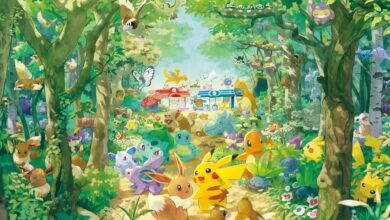
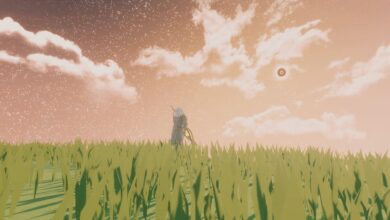
A particularly interesting online discussion showed multiple conceptual styles, each with a distinct artistic approach to Link and his world. Opinions ranged from desires for a style that preserves the original’s mood and landscape to preferences for a more vivid, anime-inspired direction reminiscent of Studio Ghibli’s aesthetic.
One user pointed out the merit in a style that respects the original landscape’s ambiance but expands it to create a larger, more immersive world to explore — tapping into a trend for open-world RPGs where vastness and detail feed player immersion. Others favored subtler shading and realistic elements that capture the game’s somber undertones, steering away from overly bright, cartoon-like visuals. This split reflects a broader challenge faced by developers working on remaking classics: balancing nostalgia with innovation and modern tastes without losing the emotional resonance that made the original special.
Technical and Artistic Challenges Behind the Scenes
Remaking a title like Ocarina of Time presents unique challenges. The original’s polygonal models and environmental design, groundbreaking in their day, now feel dated due to technological advancements. However, a simple graphical upgrade risks erasing the unique atmosphere and design decisions that define the experience.
Several factors contribute to the complexity:
- Preserving Core Identity: The remake must retain the game’s legendary narrative and world while breathing new life into its visuals.
- Balancing Innovation: Incorporating modern gameplay mechanics and environmental interactivity without overwhelming the original’s structure.
- Artistic Direction: Selecting a visual style that harmonizes with both long-standing fans’ memories and attracts new audiences accustomed to contemporary aesthetics.
Given Nintendo’s history of cautious, meticulous remasters—often ensuring every detail aligns perfectly with their vision—it is understandable why the company has not rushed this project. Meanwhile, the community’s varied requests from faithful updates to ambitious reimaginings create a dilemma in design choices that could potentially divide the fanbase.
The Influence of Recent Zelda Titles on Fan Expectations
The unprecedented success of Breath of the Wild not only raised the bar for open-world design but also reshaped how fans view the Zelda series’ potential for art direction and gameplay possibilities. Its painterly, expansive world invites exploration and experimentation, which contrasts with the structured, dungeon-centric adventure that Ocarina of Time embodies.
This shift exemplifies the broader expectations modern gamers have: extensive worlds with reactive environments, dynamic weather, and greater artistic freedom paired with quality-of-life improvements long demanded in classic remakes. Consequently, some fans desire a remake that blends these innovations into the Ocarina experience, whereas others prefer a version that respects the original’s pacing and atmosphere without radical changes.
Looking Ahead: What Could the Future Hold?
While Nintendo has not officially announced a remake for Nintendo Switch or its successor, anticipation remains palpable. Fan-driven discussions and visually rich concept art give glimmers of what might be possible if the developers commit to a high-quality update. Given the legacy of Ocarina of Time as a cornerstone of 3D gaming storytelling, any remake must strike an artistic and technical balance that honors its history while bringing it into the 21st century with confidence.
Until then, the debate around the ideal art style provides a fascinating look at how deeply players connect with this game—and how evolving technology and tastes influence the preservation and reimagining of video game classics.