How Black Mirror Redefined Dystopian Tech Storytelling on Netflix

Black Mirror and the Rise of Tech Dystopias
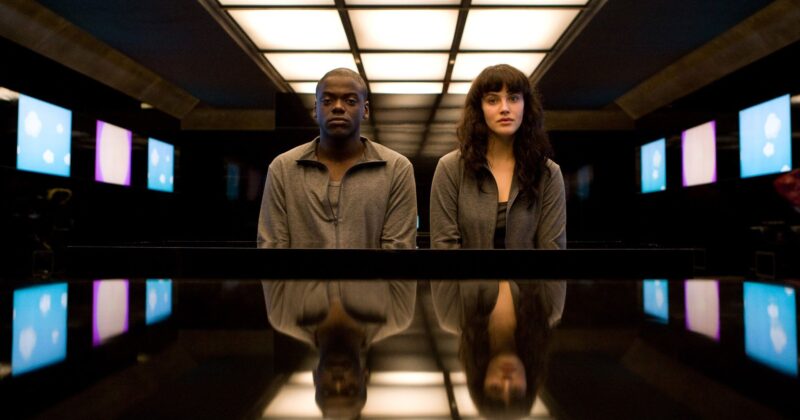
Netflix, a dominant player in global streaming, paradoxically stands as both a symbol of modern corporate monopolies and a major platform for dystopian storytelling. Its extensive library offers viewers a range of narratives depicting near-future worlds where technology and society collide in unsettling ways. Among these, Black Mirror has become more than a TV series — it is now synonymous with the dark underbelly of technological progress and the eerie, often frightening possibilities of our digital future.
From its beginnings as a modest British anthology inspired by the classic Twilight Zone format, Black Mirror rapidly evolved into a cultural phenomenon after Netflix took it under its wing. With expanded budgets and high-profile talent, the show matured into a prominent voice in speculative fiction, showcasing stories that reflect our collective anxieties about technology’s influence on human behavior, relationships, and ethics.
A Cultural Touchstone for Tech Anxiety
The impact of Black Mirror extends beyond entertainment; it has entered the lexicon as an adjective to describe real-world technological nightmares. Just like certain films have become shorthand — for example, using Inception to refer to layered, mind-bending narratives or The Godfather to symbolize a powerful, commanding leader — Black Mirror now acts as a cultural benchmark for horrors born from technological excess and social media distortions.
Episodes such as “Be Right Back” highlight our uneasy relationship with artificial intelligence and the digital resurrection of lost loved ones, themes that resonate in today’s world where AI-generated content and virtual avatars become increasingly sophisticated. Similarly, “Nosedive” captures the essence of social media’s impact on self-worth and societal stratification, reflecting how online reputations often shape real-life opportunities.
When Fiction Mirrors Reality
What makes Black Mirror striking is how many of its once-speculative ideas now feel prescient or eerily accurate. The series anticipated controversies around digital identity, misinformation, political manipulation, and media spectacle that mirror ongoing real-world concerns. The episode “The Waldo Moment,” featuring a cartoon character influencing politics, foreshadowed the rise of unconventional, media-savvy political figures and the volatility of online discourse.
Its portrayal of technology is less about futuristic gadgets and more about illuminating urgent social dynamics, the cost of convenience, and the perils of unchecked innovation. As a result, Black Mirror’s dystopias often feel like cautionary tales rather than distant fantasies, prompting viewers to critically examine the tech landscape around them.
The Evolution and Future of Black Mirror
After over a decade on air, Black Mirror has produced seven seasons, with its storytelling sometimes seen as uneven but consistently ambitious. Netflix’s decision to extend the series has allowed it to evolve alongside real-world technological shifts, capturing fresh tensions arising from recent advances and societal changes.
Even with an unpredictable release timeline, anticipation builds around the upcoming eighth season currently in development. Creators have abundant new material from recent technological and political developments, ensuring the show’s continued relevance. Following a couple of years between recent seasons, a return in the near future seems likely, promising more explorations of humanity’s uneasy pact with digital innovation.
Black Mirror’s Place in the Digital Age
The enduring appeal of Black Mirror lies in its ability to blend psychological horror, speculative cyberpunk, and social commentary into self-contained narratives that feel both intimate and expansive. It shares the streaming stage with other dystopian gems like Arcane, which explores class struggle through fantasy aesthetics, and Altered Carbon, which delves into cyberpunk themes of immortality and corporate power.
As streaming giants continue to reshape how stories are told and consumed, Black Mirror remains a vital voice reminding audiences of the ethical and human stakes embedded within technology’s relentless march forward. It challenges us to reflect on the tools we create and the unintended consequences they may unleash, particularly as artificial intelligence, virtual realities, and social media platforms increasingly permeate everyday life.
Explore More on Streaming Tech Dramas
If you are intrigued by the intersection of technology and storytelling, opportunities abound beyond Black Mirror. Interactive series, psychological thrillers, and neo-noir cyberpunk narratives enrich the genre landscape, while analytical newsletters and critical essays provide deeper dives into themes that shape our digital culture. As the digital world reshapes our realities, shows like Black Mirror will remain essential viewing for anyone interested in the future of technology and society.