A Knight of the Seven Kingdoms Sets Sights on Annual Seasons: What It Means for the Game of Thrones Universe

Consistent Returns to Westeros: HBO’s Plans for A Knight of the Seven Kingdoms
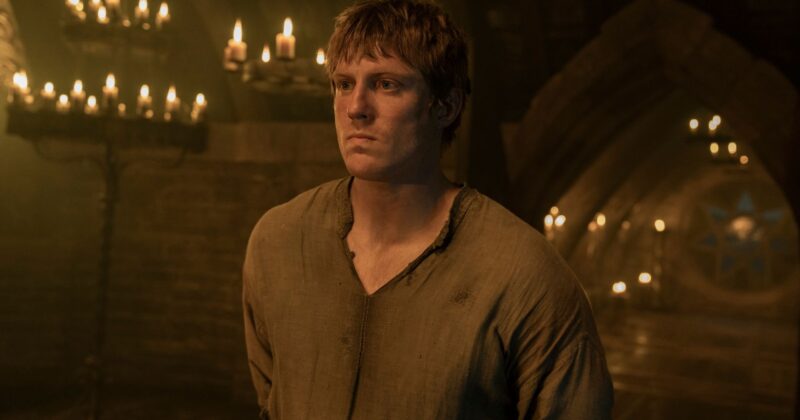
HBO has raised expectations for fans of fantasy television with its approach to A Knight of the Seven Kingdoms, the highly anticipated prequel set in George R. R. Martin’s Westeros. Amid an already packed schedule of genre television, the network is pushing for an annual release rhythm, drawing excitement from dedicated viewers who have come to expect long production gaps between major tentpole seasons.
The Logistics Behind a Faster Production Cycle
In a recent update, HBO’s chief content officer highlighted a key advantage for this spinoff: the show’s smaller production footprint. Unlike sprawling epics such as House of the Dragon, the more contained nature of Dunk and Egg’s adventures means filming is more manageable and post-production can be accelerated. The strategy allows for a strong slate of content to maintain momentum while balancing larger projects that require longer turnarounds.
Season two is already deep in production, with expectations set for a release window that keeps momentum alive. Notably, the series is designed for shorter seasons, following the trend of modern prestige TV, with the first installment wrapping up in just six episodes. This structure doesn’t just make sense from a logistical viewpoint—it also fits the novella format on which the series is based.
What Annual Release Means for the Franchise
The move toward annual releases signals confidence from HBO in the enduring appeal of Westeros. It’s reminiscent of popular series strategies, where shorter, tightly written runs become appointment television every year. Recent comparisons on the network, such as the medical hit The Pitt, show a transition to yearly windows, a model that suits serialized storytelling and active fan engagement.
The showrunner’s vision extends far beyond the material already published. While only three Dunk and Egg novellas have been released so far, there’s potential for up to a dozen stories, based on George R. R. Martin’s extensive notes. The series’ creative team has floated ambitious long-term plans that could stretch over a remarkable number of seasons, even factoring in extended breaks to allow characters—and actors—to age in real time, a bold storytelling experiment that fits Martin’s worldbuilding ethos.
The Outlook: A Long-Term Westeros Staple?
This production approach could make A Knight of the Seven Kingdoms an enduring part of HBO’s lineup, bridging generations of fans. Shorter, focused seasons reduce the risk of production bottlenecks and enable the kind of yearly returns that keep the conversation in pop culture alive. Trading sprawling battles for character-driven stories, the series may become the linchpin of the Game of Thrones universe on TV, complementing larger-scale projects without overshadowing them.
If you want to keep up with breaking developments, production insights, or deep lore analyses about Westeros, make sure you’re tuned in for updates as A Knight of the Seven Kingdoms continues to carve its place in the ever-evolving TV fantasy landscape.