The Unexpected Soundtrack Choice That Redefines Westeros
When viewers tuned in for the finale of A Knight of the Seven Kingdoms, few expected the closing credits to break from fantasy drama convention. But as the screen faded and Egg and Dunk set off on the open road, it wasn’t a sweeping Westerosi orchestration by Dan Romer or Ramin Djawadi greeting our ears. Instead, the rugged, distinctly American voice of Tennessee Ernie Ford crooned the iconic lines of ‘Sixteen Tons’—a move as audacious as it is revealing for HBO’s newest entry in the Game of Thrones universe.
Egg, Dunk, and the Echoes of the Working Class
‘Sixteen Tons’, originally penned in the mid-20th century by Merle Travis and made immortal by Ford’s 1955 take, is a ballad of labor, exploitation, and resilience. In its lyrics, workers toil endlessly, crushed under the weight (literally sixteen tons) of coal, compensated only by scrip redeemable at the company store. It’s a haunting ode to those eternally indebted and rarely empowered—a stark contrast to the lords and ladies of classic Westeros, yet a perfect fit for the story of Dunk and Egg.
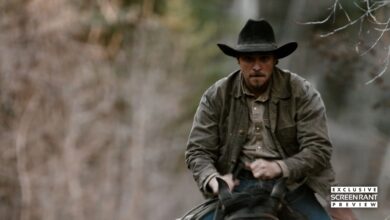
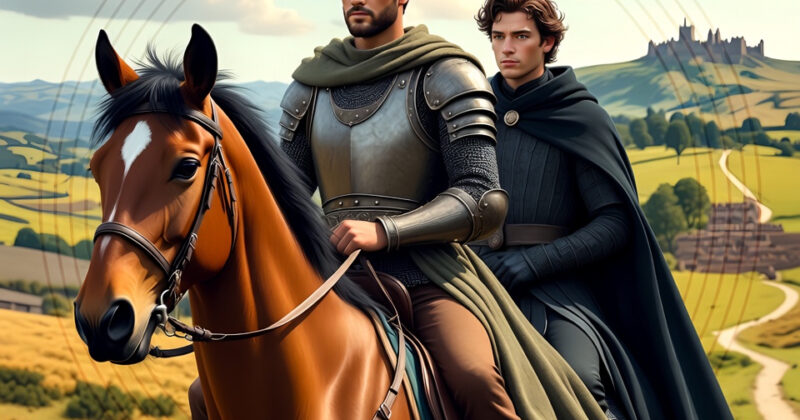
Dunk (Ser Duncan the Tall), played with earthy gravitas by Peter Claffey, lives on the edge of nobility, forever an outsider. Moving alongside him, Egg (Dexter Sol Ansell), is a Targaryen incognito, but both are locked in societal roles dictated by birth rather than merit. The choice of ‘Sixteen Tons’ spotlights this dynamic: Dunk is very much the miner, spending life’s currency to survive under the gaze (and rules) of the elite. The show’s creative leap places the struggle of medieval smallfolk in dialogue with 20th-century laborers, underlining the eternal tension between class, power, and hope.
Why ‘Sixteen Tons’ Works So Well in Westeros
Unlike its epic predecessors, A Knight of the Seven Kingdoms deliberately injects humor and lightness into George R.R. Martin’s brutal world. Where Game of Thrones and House of the Dragon left us breathless with expensive intrigue and existential threat, this series walks a smaller, more personal path. The last frames, scored by Ford’s finger-snapping rhythm and sly clarinet, strike a tone that’s both jaunty and somber—as if to say: in any world, some people must always hustle to get by. The song’s underlying threat—‘I owe my soul to the company store’—lingers as Dunk and Egg ride off, promising that even fleeting victories bear a cost.
The move to use a real-world, anachronistic song doesn’t just break the fourth wall; it reframes what’s possible in modern fantasy television. Pop culture has seen this before—think of how Peaky Blinders splices in Nick Cave or how Westworld reimagines classic rock within futuristic halls. Here, though, ‘Sixteen Tons’ lands with particular weight, punctuating the series’s playful yet poignant tone. It’s a reminder that every adventure, no matter how dazzling, is always shadowed by the hardships of the people who struggle beneath the banners.
The Enduring Relevance of Song and Story
As showrunner Ira Parker guides viewers into a lighter, more human corner of Martin’s universe, musical choices like this reveal the multilayered approach behind the series. The finale song is not just a quirky nod—it’s a thematic thesis. It positions Dunk and Egg as avatars for generations of underdogs, both in Westeros and beyond. As pop culture continues to diversify its soundtracks and deepen its narratives, A Knight of the Seven Kingdoms cements its place as a fresh, soulful chapter in fantasy TV—one that isn’t afraid to let working-class woes echo through the halls of dragons and dreams.