A Knight of the Seven Kingdoms: Why Game of Thrones’ Signature Episode Structure Continues to Thrill

The Enduring Power of the Game of Thrones Episode Formula
If there’s one thing the era-defining Game of Thrones accomplished, it was rewriting the manual for what prestige fantasy television could look like. Its most influential trick? Establishing the penultimate episode as the emotional and narrative apex. HBO’s newest exploration of Westeros, A Knight of the Seven Kingdoms, has revived this formula—reminding audiences that when it comes to visceral, explosive storytelling, the house that dragons built still holds the crown.
The Art of the Penultimate: A New Westerosi Tradition
Prestige dramas like The Sopranos and Lost experimented with embedding their season’s biggest shockers just before the finale. But it was Game of Thrones that made episode 9 an event in itself—juxtaposing world-shattering twists with quieter, consequence-laden finales. From Ned Stark’s tragic execution to the catastrophic Red Wedding and Daenerys’ infamous siege of King’s Landing, the series repeatedly taught viewers to brace themselves for trauma and transformation before the credits rolled on the final installment.
Over time, this structure evolved from daring subversion to expected ritual, dramatically altering how fans of epic fantasy, drama, and pop culture process serialized TV. Instead of classic cliffhangers, Game of Thrones pivoted to a model where the true climax came early, followed by a finale that let political fallout, shifting alliances, and character reckonings breathe. This storytelling discipline—something akin to a chess grandmaster resetting the board after checkmate—became the hallmark of the franchise and a template for would-be successors.
A Knight of the Seven Kingdoms Revives Westeros’ Most Effective Weapon
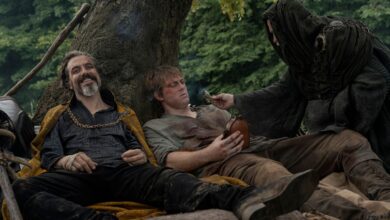
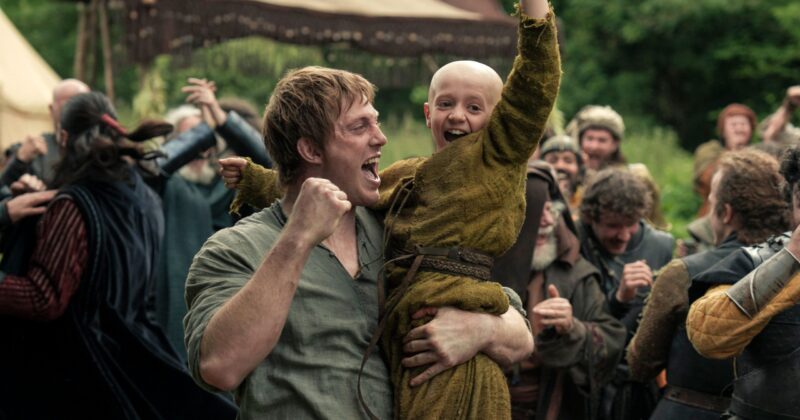
What makes A Knight of the Seven Kingdoms stand out is the way it overlays this very formula onto a story that initially promised to be more intimate and grounded. The early episodes center on Dunk and Egg, two underdogs wandering in a Westorosi landscape most Fandom associates with the high-stakes power games of noble houses. But as the season progresses, the stakes escalate with the revelation of Egg’s secret heritage, and everything shifts toward the familiar gravity of succession and violence.
By the time episode 5—titled ‘In the Name of the Mother’—arrives, the narrative taps directly into the GoT tradition: kinetic action, taboo revelations, brutal choices. The series offers not a grand battle with armies and dragons, but a raw, sweat-drenched melee that brings the audience into Dunk’s claustrophobic, fear-charged perspective. The result is some of the franchise’s most physically intimate combat, keeping the camera close to the ground and the stakes deeply personal.
Why This Storytelling Model Still Resonates
What Early Game of Thrones taught even the uninitiated is that if you’re watching episode 5 or 9 in Westeros, no one is safe. This approach rewired the genre’s expectations. Instead of saving the major shocks for the very end, it made aftermath matter just as much as action. A Knight of the Seven Kingdoms continues this tradition by ensuring each penultimate episode is the real climax, giving time in the finale for coronations, funerals, or the stark loneliness of fractured alliances.
For fans craving political strategy, shocking betrayals, and gut-wrenching consequences, this rhythm creates a viewing experience that feels both familiar and electrifying. Whether you pledge fealty to House Stark, Targaryen, Lannister, or Baratheon, the thrill lies in the inevitable reshuffling of power—and the reminder that, in Westeros, victory often comes at unexpected costs.