A New Era for Middle-earth: Aragorn Recast & the Future of The Lord of the Rings Movies
The Hunt for Gollum: The Franchise’s Turning Point
The Lord of the Rings: The Hunt for Gollum is set to be a monumental pivot in the cinematic Middle-earth universe. With a legacy spanning cinematic history, the return to Warner Bros. and New Line Cinema’s storytelling feels both nostalgic and disruptive. Peter Jackson returns as producer, and the directorial baton passes to Andy Serkis, whose previous work as Gollum shaped the emotional core of the original trilogy.
Returning Legends (and Notable Absences)
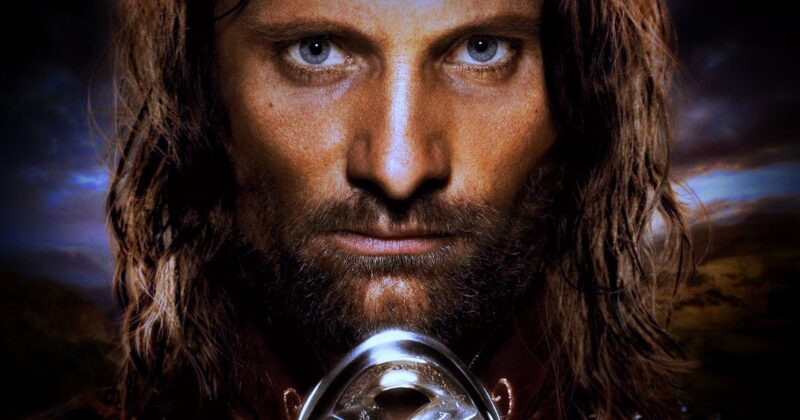
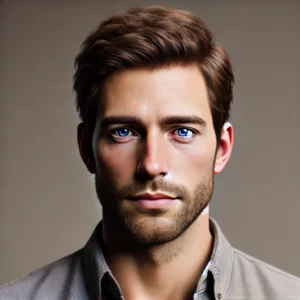
While Ian McKellen dons Gandalf’s hat once more and rumors swirl about Elijah Wood‘s Frodo making a cameo, fans have been hit with bittersweet news: Viggo Mortensen will not reprise his role as Aragorn. Instead, Aragorn will be recast for this crucial chapter focused on the years leading to The Fellowship of the Ring. As the narrative traverses eras where Aragorn’s youthful vitality is essential, the shift away from Mortensen—now several decades older than the story’s timeline demands—feels inevitable, but no less jarring.
The use of modern digital de-aging technology is now common in blockbuster franchises, but full-scale recasting avoids both massive expenses and the uncanny valley effect. Plus, as new stories expand the lore, it sets a clear precedent: future films will see additional iconic roles reimagined by new performers.
A Franchise in Transition
With more Lord of the Rings films in development—including one with input from Stephen Colbert—the world built by Jackson is evolving. Aging out is a reality for much of the original cast; beyond brief, digitally retouched cameos, only a handful remain viable for principal roles. The recasting of Aragorn is the first notable step in a generational shift that will gradually refresh the heroic faces of Middle-earth for a new audience.
For long-time fans, the emotional resonance of original performances is hard to let go. Yet, the industry is no stranger to passing the torch. Think of how James Bond, Batman, or even Spider-Man have survived and thrived through periodic reinventions. Middle-earth, with its rich timelines and immortal legends, is uniquely equipped to transition with dignity, provided storytelling remains the focus.
Lessons from The Rings of Power
Recent experience with The Rings of Power on Prime Video highlighted the risks of departing from established timelines and lore. That adaptation, despite its production value, drew mixed reactions for compressing Tolkien’s intricate world, reminding us that strong, respectful world-building should remain the North Star. If recasting is inevitable, then anchoring these new faces in a faithfully constructed timeline and narrative will be essential for fan acceptance.
Ultimately, the critical test for The Hunt for Gollum and the wider franchise isn’t just in casting choices, but in their commitment to the spirit of J.R.R. Tolkien’s work. Fans will be watching closely to see if the magic—both mythic and cinematic—endures amidst the winds of change.
What Lies Ahead for The Hunt for Gollum?
The upcoming film promises to unearth Gollum’s unfinished business with a blend of adventure, moral ambiguity, and epic visuals. Returning actors like Andy Serkis (now also directing), the beloved narrative pillars of Gandalf and Frodo, and the introduction of fresh faces all hint at a complex narrative crafted for those who cherish every shadow and silver lining on the road to Mordor.
Technical teams behind the scenes, including Fran Walsh, Philippa Boyens, and others who built the filmic language of Tolkien’s universe, add extra layers of authenticity. All eyes will be on the new Aragorn—a mantle both heavy and electrifying to take up. And as Middle-earth evolves onscreen, audiences remain ready to journey once more into the unknown.