A Quiet Place: Storm Warning – The Comic Series That Deepens the Franchise’s Mythos

A Quiet Place Expands Its Universe with ‘Storm Warning’
In an era defined by franchises striving to stay relevant across multiple platforms, A Quiet Place has quickly established itself as modern horror royalty. With its initial cinematic whisper, it captivated a global audience—now, it offers fans a fresh perspective in the form of A Quiet Place: Storm Warning, an official comic miniseries that brings a new dimension to the sound-hunting nightmares that haunt this saga.
Why Storm Warning Is Essential for Horror Fans
Much like trailblazing post-apocalyptic properties such as The Last of Us and The Walking Dead, the power of A Quiet Place lies in its ability to blend deeply human dramas with relentless external threats. Storm Warning takes this formula and twists it uniquely, setting its story in the fictional town of Pearl, Iowa—an isolated spot that mirrors the dread and loneliness inherent to the franchise.
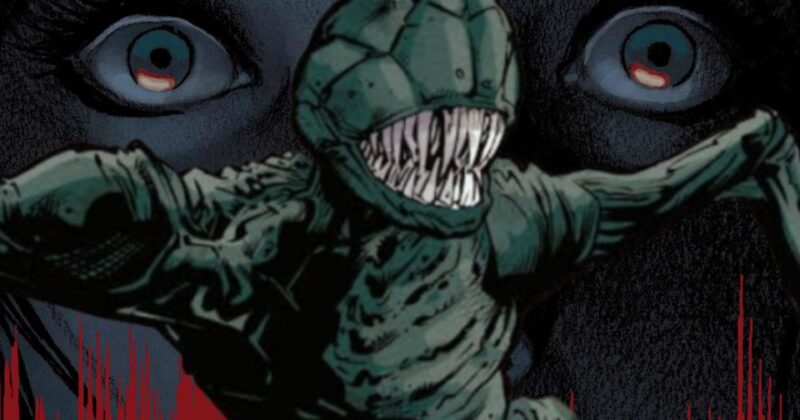
Through a narrative that weaves back and forth in time, readers are thrust into the daily terrors and small victories of the town’s mayor, fire chief Lonnie Fry, and a populace desperate to believe they are safe from the monstrous creatures that hunt by sound. The atmosphere is thick, the stakes are personal, and the series builds upon the franchise’s fear-driven legacy with inventive storytelling choices, particularly in its use of sound effects—aka onomatopoeia—rendered visually, providing a direct, immersive link between silent dread and comic page.
The Creative Minds Behind Storm Warning
Any long-standing horror property is only as good as its creators. Here, Phil Hester (known for work on Green Arrow, Swamp Thing) collaborates with the expressive linework of Ryan Kelly (Lucifer, Local). Their experience in both superhero and supernatural genres adds an unexpected dramatic weight to the intimate terrors of Storm Warning.
How Storm Warning Enriches the Franchise
This limited five-issue series is careful not to rehash familiar ground. Instead, it introduces new faces, new fears, and explores survival in microcosm. Visually, Kelly’s art is especially adept at conveying silence as a weapon—or a curse—mirroring the high tension synonymous with the original films. The setting, Pearl, Iowa, captures a rarely-seen rural apocalypse, contrasting against the devastated cities and adding to the franchise’s emotional spectrum.
Fans awaiting the next film chapter will find Storm Warning a worthy installment that sustains the momentum. As the creatures move west, threatening the town’s fragile sense of safety, the narrative explores themes of denial, community, and self-sacrifice. The first issue’s synopsis promises a story of survival not just against monsters, but against the creeping complacency that threatens to undo even the bravest townsfolk.
The Multimedia Growth of A Quiet Place
The excitement for this series coincides with A Quiet Place: The Road Ahead, the upcoming video game adaptation, which aims to translate the franchise’s claustrophobic tension into interactive terror. This shift toward multiple media forms—theaters, comics, games—signals an ambitious expansion, placing A Quiet Place firmly among narratives that grow richer with every new medium they inhabit.
The Future Holds More Silence—and More Fear
Whether you are a comic book collector, a die-hard horror cinephile, or someone obsessed with survival storytelling, A Quiet Place: Storm Warning is not to be missed. It’s proof that well-crafted physical and psychological threats can thrive outside of films, offering fans untold chapters of fear, family, and sacrifice rooted in silence—and in sound.