The Unsettling Allure of The Backrooms
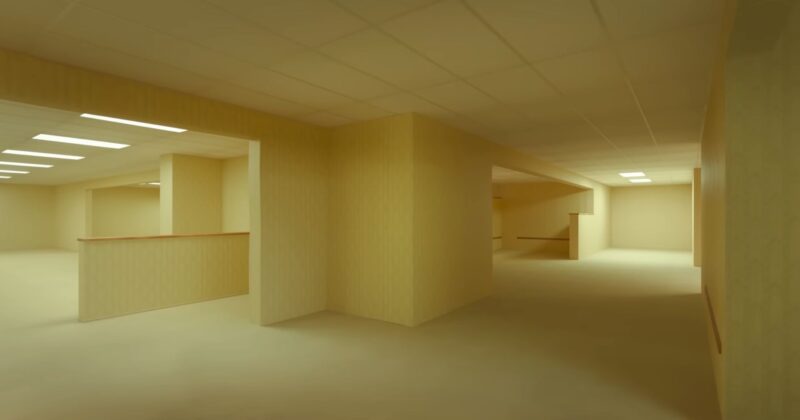
The arrival of A24’s Backrooms on the horror circuit is an event many fans have eagerly anticipated. Originating as a viral internet phenomenon, The Backrooms is built on the spine-chilling premise of endless, empty, and eerily liminal spaces—settings so mundane they become unsettling. What makes The Backrooms truly memorable is not just its dreamlike, almost-nightmarish visuals, but its ability to tap into a collective fear: the discomfort of the familiar turned threatening.
Translating Found Footage Horror to the Big Screen
Unlike typical horror franchises, The Backrooms gained notoriety through its surreal found footage style, expertly crafted by Kane Parsons. This format relies heavily on unconventional horror—less about overt monsters, more about an overwhelming sense of displacement and suspense. The original web series thrived on a lack of exposition and almost total removal of traditional narrative anchors. Bringing this approach into a full-length movie presents both a creative opportunity and a unique challenge.
Why Character Absence Could Make or Break The Experience
If you’ve watched the new trailer for Backrooms, you’ve likely noticed a bold choice rarely seen in mainstream cinema: the near-total absence of characters. In the context of the source material, this makes perfect sense. Placing identifiable, grounded humans in a world like The Backrooms could inadvertently dull its unnerving atmosphere. The horror here is existential—rooted in space, architecture, and mood rather than villains or victims.
However, filmic storytelling naturally gravitates towards character arcs, dialogue, and interpersonal drama. A24’s challenge lies in maintaining the tension and surreal tone of the original while introducing protagonists that serve the story without making the inexplicable feel safe or familiar. It’s a delicate balance, and one of the key factors that will determine if Backrooms becomes a genre-defining classic or loses its unholy spark.
Borrowing from Horror’s Boldest Innovators
There’s historical precedent for films succeeding within these constraints. The V/H/S anthology films, for instance, excelled by deploying a first-person perspective—creating immediacy and tension without over-relying on traditional character development. The Backrooms could benefit from employing similar cinematic techniques, allowing viewers to experience terror from an unanchored perspective while keeping the focus firmly on atmosphere.
Alternatively, the creative team could push boundaries and experiment with non-linear, fragmented storytelling, where narrative clarity is secondary to the immersive emotional experience. This aligns perfectly with the internet-born mythos of The Backrooms: less about plot twists, more about an escalating sense of isolation and unease.
The Technical Puzzle of Cinematic Liminality
Visually, translating lo-fi, dreamlike horror for the cinema is a technical feat. The production team must preserve the uncanny, analog quality of the original while elevating it with state-of-the-art sound design and visual effects. Expect the use of shifting color palettes, warped soundscapes, and subtle environmental cues to manipulate audience perception. Harnessing these elements is essential—not just for scares, but to evoke the deeply personal unease that defines The Backrooms experience.
It’s a gamble with high stakes, but if A24’s track record with horror is any indication, Backrooms might just deliver a genre-defining blend of digital folklore and cinematic experimentation that speaks directly to the anxieties of the modern age.