Adam’s Apple: An Unfiltered, Profound Documentary on Trans Youth and the Realities of Becoming

Adam’s Apple: Documentary Storytelling Without Filters or Illusions
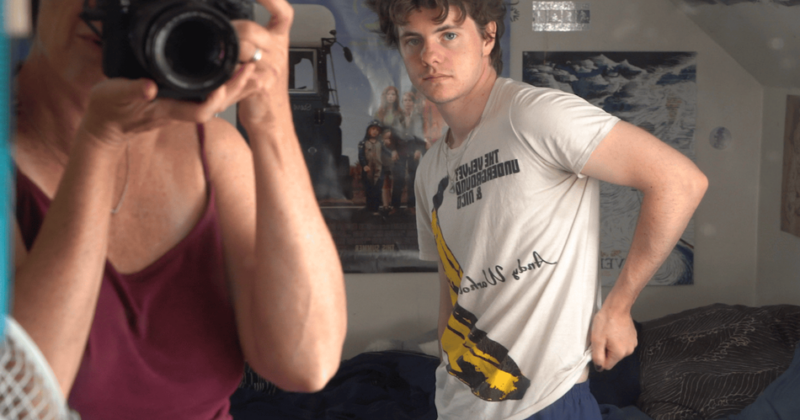
Adam’s Apple stands apart from the typical narratives around transgender youth, rejecting glamourization in favor of deep authenticity. Directed by Amy K. Jenkins and featuring her son Adam Sieswerda, the film offers an intimate, unvarnished look at a young person’s path toward self-acceptance in a world too often quick to judge or misunderstand.
Chronicling Transformation Beyond the Clichés
Much of the impact of Adam’s Apple comes from its disinterest in spectacle. Jenkins — both filmmaker and mother — avoids the sensationalist pitfalls that frequently plague representations of trans identity in mainstream media. Instead, she insists on the ordinariness of Adam’s dreams and fears. He wants to fit in, to be seen, to make his parents proud — desires as universal as they are specific, rendered poignant by the heightened scrutiny trans youth endure today.
Adam’s journey is neither mythologized nor pitied. Rather than focusing on trauma, the film spotlights moments of gender euphoria: the joy and liberation found in self-realization. Jenkins cleverly uses match cuts and non-linear editing to show Adam’s physical and emotional evolution over time, hinting that, like anyone, he exists across moments — always becoming, never static.
Humanity in Every Frame: Vulnerability, Family, and Authentic Growth
Witnessing Adam across birthdays — each year filmed and each wish for the future subtly shifting — Jenkins largely adopts a diaristic style. This approach seamlessly fuses Adam’s lived reality with broader themes of visibility and dignity. Even in scenes of anxiety or social navigation — flirting, sports, hopes for acceptance — the documentary maintains a rare tenderness. At times, these worries feel strikingly similar to any adolescent experience, yet the stakes and context remain pointedly higher for someone like Adam.
The documentary isn’t just Adam’s odyssey. Jenkins, as a parent, occupies the difficult space between advocate and learner. She makes mistakes; she grows. The rawness with which the film displays parental evolution adds a layer of honesty seldom seen in coming-of-age documentaries. There’s no instructional manual for parenting a trans child — just a willingness to witness, listen, and transform in tandem.
Rejecting the Binary: Cinematic Language Mirroring Identity
Formally, Adam’s Apple mirrors the fluidity of its subject. Adam’s guitar-playing hints at his creative voice, and the seamless integration of footage from different ages blurs the boundaries between past selves and present becoming. The recurring motif of Adam being asked what he wants to be when he grows up feels especially resonant for trans viewers — dreams are allowed to evolve, reinforcing the truth that change itself is a form of constancy.
Technical Brilliance in Subtlety
Running just under 100 minutes, the film avoids heavy-handed narration or explanatory text, trusting viewers to make connections and absorb the nuances of Adam’s experience. This respect for both subject and audience is rare in a genre sometimes prone to overexplaining. The cinematography is intimate but never invasive, and the score incorporates Adam’s own music, weaving personal artistry into the documentary’s emotional core.
Why Adam’s Apple Matters in Contemporary Cinema
In an era marked by legislative crackdowns and cultural pushback against trans rights, works like Adam’s Apple become essential. The film argues, through lived example, that gender-affirming care and the space to become oneself can illuminate a person — not in abstraction, but as a matter of daily survival and genuine happiness. The documentary pushes viewers to reconsider simplistic narratives, focusing on the process of transformation rather than before-and-after binaries seen in shallow social media content.
Adam’s Apple is a vital addition to the evolving canon of LGBTQIA+ cinema, refusing to make its subjects into tragic figures or symbols. Instead, it crafts a story where being trans isn’t a spectacle, but simply another way to be radically, undeniably human.