The Art of Brevity: Why Short-Form Storytelling Triumphs
When it comes to binge-worthy drama, audiences are programmed to expect sprawling narratives and seasons that stretch out character arcs over 10, 12, or even 20 episodes. But every once in a while, a show like Adolescence lands on Netflix and dares to rewrite the playbook. Across just four tightly constructed episodes—clocking in at a mere four hours—this crime drama achieves what many long-form series can only dream of: deep, authentic immersion and emotional resonance, all without a second wasted.
One-Shot Filming: Immersion Like Never Before
While long takes have been used to crank up tension in classics like True Detective or Help, Adolescence pushes the technique to the next level. Nearly the entire miniseries unfolds in continuous one-shot sequences. Forget clever edits and hidden cuts; what you see is what actually unfolds in real time. This approach tears down the invisible barrier between audience and screen, plunging viewers deeper into the emotional maelstrom. The result is an intensity that feels almost unbearable as confrontations stretch out, silences linger, and every second in the frame crackles with authenticity.
Technically, one-shot filming is a Herculean feat. Filmmakers must avoid every visible crew member, shadow, and misplaced prop. For the cast, the challenge is even greater: maintaining raw, uninterrupted emotion over extended scenes, with every line and gesture broadcast in real time. Mistakes mean starting over. There’s no safety net of editing here. The stakes are high—and in Adolescence, this creative risk pays off spectacularly.
Raw Performances Amplified by Unforgiving Realism
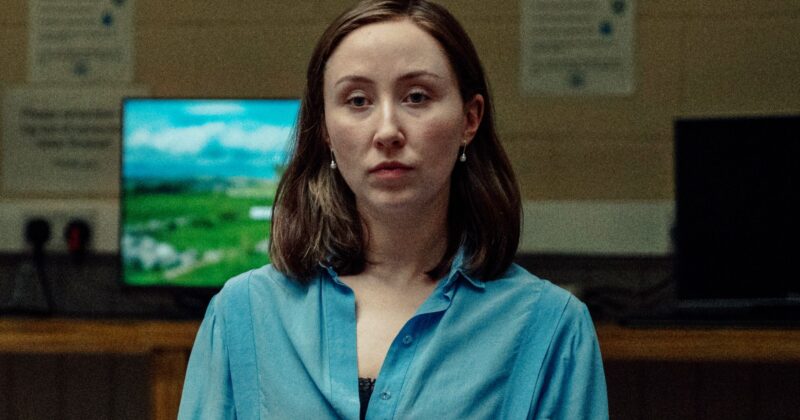
The power of Adolescence is felt most strongly in its performances. With the camera taking no breaks, lead actors like Stephen Graham and Owen Cooper must remain entirely in character, amplifying every crack of regret, fear, and anger. The camera is unforgiving, catching the trembling hands, the tense jaws, and every shade of emotion as complex family dynamics unravel. What sets this series apart is how it refuses to cast its teenage protagonist, Jamie, as a simple antagonist. Instead, viewers experience his story from multiple perspectives, grappling with empathy rather than easy judgement.
Building Tension Without Taking Sides
The heart of the series is its refusal to look away during moments of emotional rupture. Episodes build suspense not just through dramatic twists, but by locking the audience into claustrophobic rooms and heated exchanges. Every silence carries weight. Scenes between Jamie and his father, or fragile sessions with the child counselor, unfold in real time. There’s no break, no release—just the spiraling, lived-in intensity of an accusation that changes everything.
Craft, Risk, and Recognition in Modern Streaming
From a craft perspective, Adolescence isn’t just a technical experiment. It stands as a showcase for what streaming can offer when creators are given the space to innovate. It’s also a testament to Netflix’s willingness to support bold, risky projects. The prestige of one-shot cinema finds a new home in serialized narrative, and the challenge is met at every level—from its cast’s bravura performances to the precision of its directors and crew.
It’s no surprise that Adolescence has resonated both critically and commercially. Audiences are left haunted by the experience: a father’s quiet ‘I should have done better’, a counselor’s rising panic, a young man’s isolation explored with unflinching honesty. Crafted by talents like Stephen Graham and Jack Thorne, produced alongside visionaries such as Brad Pitt and Dede Gardner, the series stands as proof that you don’t need dozens of episodes to leave a lasting mark.
For the Curious: Deep Dives and Techniques
For those eager to unpack the secrets behind the one-shot method or to explore more series with similar approaches, dedicated newsletters and online courses on TV craft provide practical insights into techniques shaping the future of storytelling. Whether you’re a filmmaker or a passionate viewer, understanding the technology and art behind productions like Adolescence adds an extra layer of appreciation to every moment on screen.