Al Pacino Returns to the Crime Thriller: Comparing ‘Dead Man’s Wire’ and His Defining Masterpiece

Al Pacino’s Legendary Return to Hostage Drama
Al Pacino’s cinematic journey spans nearly sixty years, with a résumé that defines not just his own legacy but the evolution of American film itself. Pacino’s performances have set the bar for acting intensity, from his Mafia turns to complex, deeply conflicted criminals. Today, his role in ‘Dead Man’s Wire’ rekindles the magic of his iconic turns, inviting comparison to one of his crowning achievements in the crime genre.
Inside ‘Dead Man’s Wire’: A True Crime Thriller Reimagined
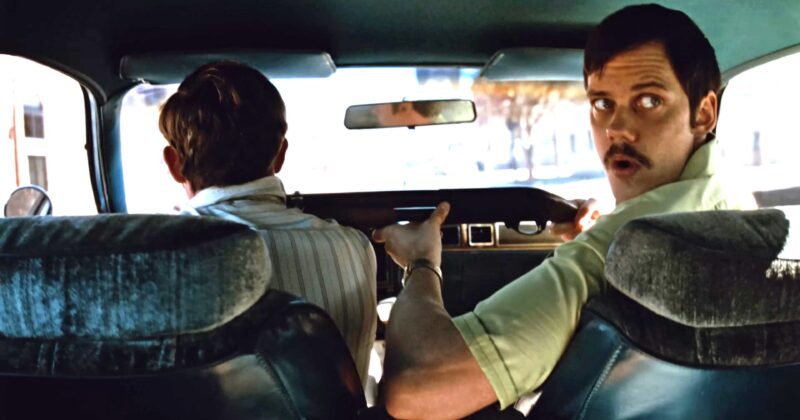
‘Dead Man’s Wire’ is directed by Gus Van Sant and brings to screen the gripping true-life ordeal of Tony Kiritsis. The plot kicks off in spectacular fashion: Tony Kiritsis (Bill Skarsgård), furious over financial injustices, storms into a mortgage banker’s office, guns blazing, and attaches a deadly ‘dead man’s switch’ to both himself and his victim, Richard Hall (Dacre Montgomery). Pacino, in a gravel-voiced, tender performance, plays M.L. Hall, Richard’s anxious father, anchoring the story with emotional weight.
Viewers are pulled into a siege that becomes a media circus, as Kiritsis drags Hall through public spaces, police sirens blaring and cameras flashing. For 63 hours, the city holds its breath. Van Sant injects manic energy into these events, using sharp editing and darkly comic beats to give the film a jittery, live-wire tension. Skarsgård’s Tony is both sympathetic and terrifying, echoing the unpredictable volatility that once made Pacino’s early criminals unforgettable.
A New Classic in Hostage Cinema?
‘Dead Man’s Wire’ leans heavily into humor and chaos, buoyed by Skarsgård’s performance and Colman Domingo’s equally magnetic supporting turn. This arresting dynamic sets the film apart from the somber, claustrophobic atmosphere of old-school thrillers. Audiences are as likely to laugh as to flinch—not unlike watching a razor’s edge dance between tragedy and farce.
Pacino’s Masterwork: Revisiting the Tension of ‘Dog Day Afternoon’
To understand the hype around Pacino’s return to the hostage genre, you have to revisit ‘Dog Day Afternoon’. Directed by Sidney Lumet, the film is the blueprint for tension: a desperate heist goes sideways in a Brooklyn bank, snowballing into a high-stakes standoff. The action bottled inside a single room amplifies anxiety, as Pacino’s Sonny Wortzik unravels under pressure—his motivations deeply personal, his cause unexpectedly political. The story dabbles in themes of identity, love, and the public gaze, solidified by Pacino’s nuanced, electrifying performance.
No CGI explosions, no cheap heroics—just two actors, sweat-drenched and desperate, as the world watches. The relevance of ‘Dog Day Afternoon’ endures not only because of its central performance, but because it captured a political and cultural moment—bank robbery as protest, crime as desperate rebellion.
Parallels and Contrasts: What Makes Each Film Stand Out?
On the surface, the media frenzy and real-life hostage situations connect ‘Dead Man’s Wire’ and ‘Dog Day Afternoon’. Pacino’s presence anchors both, but the films are night and day in tone and texture. While Pacino leads in the classic, he takes a quieter, more supportive but still pivotal role in Van Sant’s update. Skarsgård, meanwhile, turns in a performance so feverishly intense that even Van Sant reportedly had to step in during filming—his method acting reaching a crescendo many will compare with Pacino’s own transformative work.
But where Lumet’s thriller is incendiary in its slow-burn tension and social commentary, Van Sant’s thriller leans toward vibrant chaos. The humorous edge in ‘Dead Man’s Wire’ reflects contemporary sensibilities that appreciate satire alongside suspense. The editing is faster-paced, reflecting an era over-saturated with crime stories in streaming and news cycles, demanding bigger jolts to catch (and keep) our attention.
Will ‘Dead Man’s Wire’ Achieve Cult Status?
‘Dog Day Afternoon’ is canon—a must-see for anyone tracking the lineage of American crime cinema. Newcomers to the genre, or fans of Skarsgård’s edgy performances in horror, will find ‘Dead Man’s Wire’ brings the 1970s hostage drama template crashing into today’s jittery zeitgeist. Its box office may not break records, but the blend of true crime, energetic direction, and standout acting could ensure its long-term cult appeal. In a world where films are sometimes quickly forgotten, this one has all the hallmarks to stick in movie lovers’ minds.
For fans and newcomers alike, both films showcase not only the staying power of Pacino as a cinematic icon but the evolving ways that true crime and hostage thrillers can be retold for new generations, reminding us that some stories—especially in the hands of brilliant actors—never lose their grip.