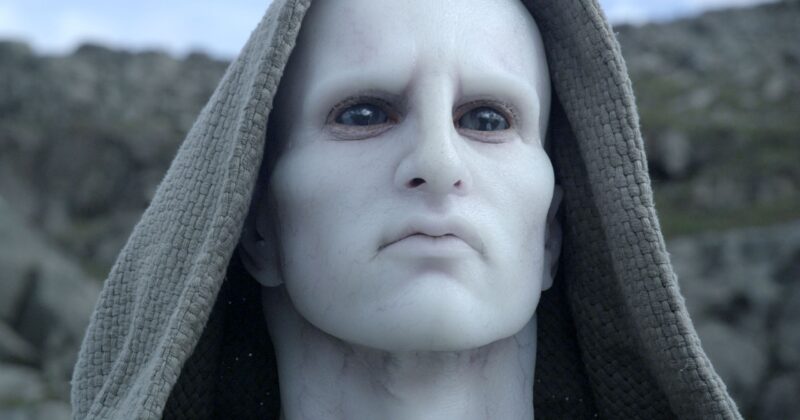
Alien: Earth Brings Back the Prometheus Spirit
When Ridley Scott returned to the Alien universe with Prometheus, he cracked open a cosmic Pandora’s box. The film didn’t just deliver terrifying creatures; it asked ancient questions about creation, the nature of artificial life, and our place in an indifferent universe. And yet, much of this expansive vision was left by the wayside in subsequent franchise entries. Finally, with Alien: Earth, those ambitious threads have been skillfully picked up, giving new life to the saga’s most provocative ideas.
Elevating Sci-Fi Beyond Xenomorphs
Aliens with acid blood might grab the headlines, but what sets Alien: Earth apart is how it dares to dive headlong into the existential anxiety that made Prometheus so distinct. This new series distances itself from traditional monster horror, focusing instead on the unsettling implications of creation—both biological and synthetic.
Where previous installments retreated to familiar territory—prioritizing franchise lore and the visceral over the philosophical—Alien: Earth boldly foregrounds the themes of sentience, creation, and the ethical quagmires of playing god. The series doesn’t simply reference aesthetics or callbacks; it cultivates the unsettling sense of wonder and dread that defined Scott’s prequel, treating artificial life not just as a tool for horror, but as a genuine philosophical crisis. This is where Alien: Earth finally achieves what many fans of Prometheus have been waiting for.
A Timeline That Bridges Unanswered Questions
Both Prometheus and Alien: Earth act as prequels, but their stories play out in very different corners of the timeline. Prometheus led humanity to the stars in search of the enigmatic Engineers, thrusting the franchise into cosmic horror. Alien: Earth, meanwhile, is set closer to the gritty, industrial future audiences recognize from the original Alien, just years before Ripley’s world-altering encounter.
This chronological setup lets the series bridge the untamed curiosity of early space exploration with the corporate cynicism and danger that will become hallmarks of the Alien franchise. The show’s world feels like the missing evolutionary step: exploratory ideals corroded by commercial interests, yet still haunted by the vastness of space and the terror of what lies in our own ambition.
No Need for Direct References: Charting a New Path
While Alien: Earth clearly evokes the themes of Prometheus, showrunner Noah Hawley has chosen not to tie the series down with overt references to the prequels. Despite Ridley Scott’s involvement as executive producer, Hawley has openly rejected the notion of pinpointing the Xenomorph’s origin in modern bioengineering. Instead, the horror is ancient, unknowable—a perfect life form shaped by centuries beyond human understanding.
Technologically, Hawley’s approach also restores the retro-futuristic look that defined the original films, shunning the high-tech sheen of the prequels. This decision grounds the series in a visual language that feels grittier, more connected to the movies that made the franchise iconic, and paradoxically, more believable as the distant future of humanity.
Why This Spiritual Successor Works
Alien: Earth doesn’t just fill in narrative gaps; it resonates because it dares to echo the foreboding, mythic aspirations of Prometheus. By engaging directly with questions of creation, synthetic existence, and human purpose, the series honors the true heart of Ridley Scott’s journey into existential sci-fi horror. It’s not about seeing who survives the Xenomorph, but about asking why we ever reached into the void—and what we unleashed when we did.