Altered Carbon: The Cyberpunk Series That Rewrote Sci-Fi Television and Inspired an Anime Prequel

The Cyberpunk Renaissance on Streaming: Altered Carbon’s Dynamic Arrival
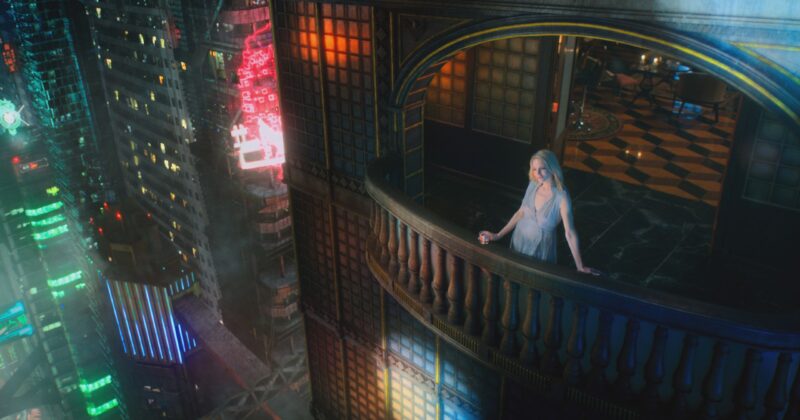
The cyberpunk genre has found new life on streaming platforms, with recent adaptations transforming classic stories and introducing new visual languages to fans worldwide. Among this new wave, Altered Carbon emerged as a groundbreaking series, pushing boundaries not just in storytelling, but in the technical mastery of its production design and narrative structure.
Immortality, Identity, and the Price of Progress
At the heart of Altered Carbon is a world where human consciousness can be uploaded into «sleeves»—synthetic bodies that the wealthy leverage for a form of digital immortality. This dystopian vision, adapted from Richard K. Morgan’s influential novel, dives into themes of identity, corporate power, and social stratification, all while delivering high-octane action and complex character arcs.
The story follows political mercenary Takeshi Kovacs, the last survivor of a revolutionary group called the Envoys. As society stratifies further, Kovacs is brought back from digital limbo by a centuries-old magnate to solve a murder—his client’s own. The narrative’s structure provided a unique twist: each season saw Kovacs inhabiting a new body, first played by Joel Kinnaman and later Anthony Mackie, mirroring the series’ exploration of personal identity in a disposable world.
Why the Anthology Format Was a Game Changer
Altered Carbon made bold moves in its casting and format, allowing for a different actor to embody the protagonist each season. This not only kept the show fresh, but also amplified the philosophical questions surrounding consciousness, ownership, and selfhood. Such a concept is rare in sci-fi television, often limited by budgets and risk-averse decision-making by studios. Here, Netflix invested in a semi-anthological experiment that expanded on cyberpunk’s most tantalizing questions.
The Anime Prequel: Expanding the Universe with Altered Carbon: Resleeved
Just before its cancellation, the universe of Altered Carbon expanded with Altered Carbon: Resleeved, an anime film set centuries before the main series. The prequel showcases a younger Takeshi Kovacs on a stand-alone mission, exploring the universe’s lore and adding depth to the franchise’s mythos. While the film received mixed feedback—critics questioned its narrative depth, but widely praised its striking animation—it stands as a testament to the series’ cultural impact and visual ambition. The anime’s distinct style pays tribute to a rich tradition of cyberpunk anime, connecting Western sci-fi with Japanese storytelling craftsmanship.
The High Stakes and High Costs of Sci-Fi on Streaming Platforms
Altered Carbon’s demise reflects a larger issue facing ambitious science fiction today: the cost of world-building. Streaming platforms, once a haven for riskier projects, now often prioritize content that delivers immediate subscriber growth over long-term cultural influence. Despite a promising setup designed for longevity—think new faces for Kovacs, new themes every season—the show ended after only two seasons.
This quick cancellation echoed throughout the fan community, especially among those who appreciated the series’ relentless pursuit of complex, adult themes and its willingness to throw viewers into a visually stunning, thought-provoking future. Even as the series came to an abrupt halt, its approach to narrative structure and technical excellence left an indelible mark on how cyberpunk stories could be told.
Legacy and Influence in the Streaming Era
The legacy of Altered Carbon isn’t just its narrative ambition, but also its expansion into other media—something only a select group of genre-defining series can claim. From its innovative use of casting to its bold anime prequel, it’s clear the show has set a new bar for adaptation and world-building on digital platforms. As the landscape of speculative fiction continues to evolve, the spirit of Altered Carbon remains: challenging norms, questioning identities, and inspiring future creators to push the boundaries of science fiction both on screen and beyond.