André Øvredal Returns: Why ‘Passenger’ Could Redefine Fear in Modern Horror Cinema
André Øvredal Sets a New Horror Benchmark with ‘Passenger’
Few directors can claim they’ve redefined supernatural horror for a generation, but André Øvredal is indisputably among them. Best known for the chilling and claustrophobic masterwork The Autopsy of Jane Doe, Øvredal has steadily crafted a reputation for marrying psychological dread with innovative narratives. Now, all eyes are on his latest project, Passenger, which he promises is his most terrifying film yet.
The Legacy of ‘The Autopsy of Jane Doe’
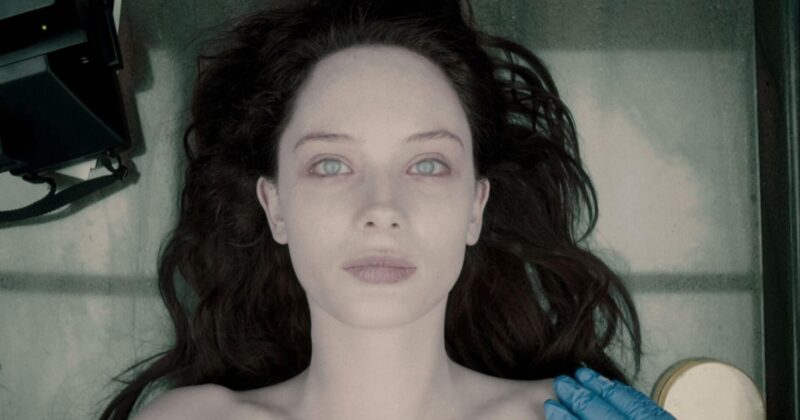
The Autopsy of Jane Doe left a mark on modern horror for good reason. The film’s simple premise—a father-and-son team of morticians examining an unidentified corpse—spirals quickly into something nightmarish. Set almost entirely in the basement of a funeral home during a raging storm, the film traps both its characters and audience in a suffocating atmosphere. Isolation and the unknown drive the tension, with every unsettling noise and cryptic clue amplifying the sense of dread.
This film didn’t just rely on traditional jump scares. Instead, it masterfully built paranoia, layering supernatural mystery with real psychological horror. From autopsy discoveries that make no logical sense to occult symbols scarring Jane Doe’s body, the film kept viewers guessing until a twisted, unforgettable climax. Over time, it has become a cult sensation, recommended among horror communities to those searching for something far from predictable mainstream fare.
What Makes ‘Passenger’ Different—And Potentially Scarier?
With expectations sky-high, Øvredal is raising the stakes. In interviews, he suggests Passenger not only matches the terror of his previous work, but may actually surpass it. The trailer only intensifies this anticipation, suggesting a relentless and immersive horror experience. This time, the story centers on a woman pursued by an elusive entity on a shadowy, remote road—a setup ripe for paranoia and nightmarish unpredictability.
The horror doesn’t come just from the supernatural, but from the terrifying unpredictability of human isolation and the vast unknowns that exist beyond the glow of headlights. Images of a burning church and a field of body bags hint at horrors that are as psychological as they are physical. It’s a departure from claustrophobic interiors to open, yet paradoxically more suffocating, landscapes where the boundaries between reality and nightmare blur uncontrollably.
Leveraging Fear Through Atmosphere and Mystery
Øvredal’s success hinges on his ability to manipulate setting and suggestion. In The Autopsy of Jane Doe, it was the thunderstorm and locked doors. In Passenger, it’s the endless night and the sense of being stalked by something unfathomable. Horror fans are already dissecting trailer moments—an art form in itself among genre aficionados—searching for clues about the enigmatic antagonist and the fate awaiting the protagonist.
The choice to cast rising talents like Jacob Scipio, Lou Llobell, and industry veterans such as Melissa Leo shows an intent to blend fresh energy with seasoned gravitas. Behind the scenes, Øvredal is backed by genre powerhouses Walter Hamada and Gary Dauberman, ensuring the film will benefit from both creative ambition and industry expertise.
A New Standard for Horror?
For a decade now, The Autopsy of Jane Doe has set the bar for supernatural horror that can get under your skin without relying on overused tropes. Passenger seems poised to challenge—and perhaps even surpass—this milestone. With a carefully guarded plot, stark visuals, and the promise of relentless psychological tension, audiences are primed for a horror experience that may just redefine the genre once again.
The final pieces will fall into place when Passenger reaches theaters. Until then, horror fans have plenty to speculate on—and plenty to fear. Official runtime: 94 minutes. Cast highlights: Jacob Scipio, Lou Llobell, Melissa Leo. Directed by André Øvredal. Produced by Walter Hamada and Gary Dauberman. Written by Zachary Donohue and T. W. Burgess.