Andy Serkis Upholds Original LOTR Legacy in The Hunt for Gollum with Fresh Storytelling and Classic Craftsmanship

Revisiting Middle-Earth: A New Chapter Rooted in Tradition
Peter Jackson’s Lord of the Rings trilogy stands as a monumental achievement in cinematic history, seamlessly transforming J.R.R. Tolkien’s revered novels into an immersive visual epic that grossed billions and earned a staggering 17 Academy Awards. Now, the Middle-earth saga is poised for a new chapter with The Hunt for Gollum, a project that seeks to honor the artistry and storytelling ethos of the original films while exploring untapped facets of its beloved characters.
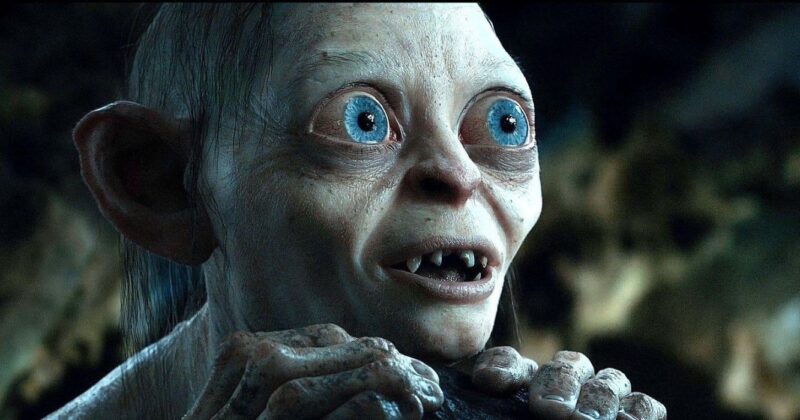
At the helm is Andy Serkis, whose groundbreaking portrayal of Gollum redefined the possibilities of performance capture and character depth in modern filmmaking. Serkis steps into a directing role to cultivate a film that preserves the texture, spirit, and authenticity that captivated audiences in the original adaptations. His approach is grounded firmly in the intricate lore and expansive vision established not only by Peter Jackson’s triad of films but also the Hobbit trilogy, making the project an organic extension of that legacy.
A Return to Form: Filmmaking Techniques and Creative Vision
The production of The Hunt for Gollum reunites much of the original production team, a deliberate move by Serkis to capture the atmosphere and visual style synonymous with Jackson’s Middle-earth. By shooting in New Zealand—just as the original trilogy did—the film ensures a genuine connection to the landscapes that viewers worldwide associate with the fantasy realm. The commitment to traditional filmmaking techniques, combined with Serkis’s innovative understanding of character psychology, promises a seamless fusion of the familiar and the fresh.
Serkis emphasizes that the film will delve into an intimate, psychological portrait of Gollum, diving deeper into the complexities of one of Tolkien’s most enigmatic creations. This narrative focus intends to provide both longtime fans and newcomers with a nuanced exploration of identity, obsession, and survival. In this way, The Hunt for Gollum is not just another expansion of the franchise but a character-driven investigation that enriches the broader lore of Middle-earth.
Plot Focus and Cast: Bridging Timelines in Middle-earth
The storyline of The Hunt for Gollum situates itself precisely between The Hobbit and The Fellowship of the Ring, filling in narrative gaps with material inspired directly from Tolkien’s additional notes. The plot centers on Aragorn’s mission to track down Gollum before the creature can reveal critical information about the One Ring to Sauron, the Dark Lord. This quest enhances the stakes and tension familiar to fans while casting light on the less-explored events that shaped the path toward the trilogy’s central conflict.
Jamie Dornan takes on the role of Aragorn, initially appearing under the alias “Strider” before revealing his true identity, keeping true to Tolkien’s original portrayal. The cast also reunites Ian McKellen as Gandalf, Elijah Wood reprising Frodo Baggins, and Lee Pace returning as Thranduil, reinforcing continuity within the franchise’s timeline. New characters are brought to life through performances by Kate Winslet, cast as Marigol, and Leo Woodall as Halvard, introducing fresh perspectives into Middle-earth’s expanding tapestry.
Technical and Narrative Challenges: Balancing Familiarity with Innovation
Serkis acknowledges the challenge of walking a tightrope between honoring the original trilogy’s legacy and crafting a film that feels engaging and novel. His direction aims to marry the grand, sweeping scope fans expect with a more introspective, character-focused story. The filmmaking process utilizes classic visual storytelling techniques from the Jackson era, augmented by modern methods that bring an enhanced emotional resonance to the screen.
For many viewers, particularly newcomers to Middle-earth, The Hunt for Gollum will serve as an accessible entry point, combining blockbuster spectacle with heartfelt storytelling. Maintaining this balance is crucial to appealing both to devoted Tolkien enthusiasts and newer audiences discovering the mythology for the first time.
Release and Production Outlook
Production is slated to begin in New Zealand mid-2026, with an expected theatrical release on December 17, 2027. With Peter Jackson operating in a producer capacity alongside Serkis’s directorial vision, the film’s creative leadership includes a team of writers drawn from the original trilogy’s writing nucleus, such as Fran Walsh and Philippa Boyens, adding layers of authenticity to the screenplay. The involvement of J.R.R. Tolkien’s original manuscripts as source material grounds the narrative firmly within established lore, ensuring a faithful extension of the Middle-earth saga.
Ultimately, The Hunt for Gollum promises to be a richly textured addition to Tolkien’s universe—celebrating the enduring legacy of the original Lord of the Rings films while shedding new light on one of its most compelling characters through a fresh yet reverent lens.