Anima: Sydney Chandler and Takehiro Hira Redefine Sci-Fi with Emotions and Bold Experimentation

Behind the Emotional Science of Anima
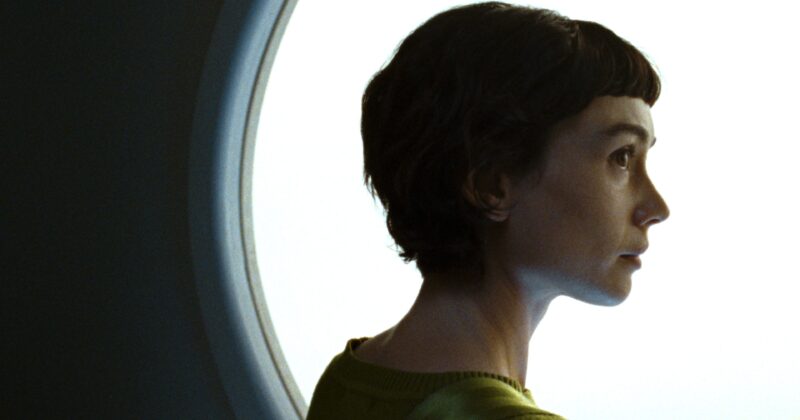
Anima emerges as one of the most intriguing science fiction films of the current season, blending cutting-edge technology concepts with deeply human themes. Leading the cast, Sydney Chandler brings to life Beck, a young engineer recently let go from her tech startup, whose world is rocked further by her father’s passing. The narrative quickly veers into uncharted territory: Beck is recruited by a mysterious company offering an unsettling form of digital immortality — preserving human consciousness in a cloud so loved ones can ‘visit’ after death. The story is far from a high-concept tech gimmick; instead, it’s a grounded, contemplative journey exploring grief, identity, and the delicate connections that outlast even the most advanced technology.
Takehiro Hira’s Unorthodox Road Trip Performance
Opposite Chandler, Takehiro Hira (fresh off his acclaimed run in major genre projects) plays Paul, a quietly complex button manufacturer facing his own mortality. Paul’s last wish? To make his way to the consciousness-preserving facility in his classic Nissan 300ZX, detouring often to resolve unfinished business with his estranged family. This unique road trip setup allows for raw, unscripted emotional beats. Hira recalls that filming involved ‘*a lot of experimentation on set*’ — some of it successful, some not, embodying the creative risks that define Anima. He notes that thinking too much didn’t help: ‘*Just go with the gut feeling on the day.*’ This, he feels, fueled the passion behind each scene, with a predominantly young, energetic crew adding an unpredictable spark to the film’s atmosphere.
Documentary Roots and Evolving Scripts
Director Brian Tetsuro Ivie, making his first foray into narrative feature filmmaking after a documentary background, encouraged a ‘*very handmade*’ process. The interplay between a rookie crew and seasoned actors created a ‘*cosmic, weird, beautiful*’ synergy on set. Chandler highlights how Ivie’s documentary instincts — finding the story as you shoot — permeated the film’s production. In fact, Beck’s role in developing robotic ‘forever pets’ wasn’t even part of the script until after shooting began, underlining the project’s constant evolution.
Both Chandler and Ivie were flexible with changes, collaborating on Beck’s backstory even as personal challenges delayed preparation. ‘*Life happens,*’ Chandler candidly admits, appreciating Ivie’s willingness to discover the character in real time. This adaptive process, where essential story elements took shape organically, is rarely seen in high-stakes indie cinema, where every lost location can upend filming plans overnight.
The Humanity at the Heart of Sci-Fi
Chandler, now a recognized force in contemporary sci-fi (from psychedelic thrillers to noir adventures and blockbuster franchises), explains why she keeps returning to the genre. For her, great science fiction is fundamentally about humanity. ‘*The best human lessons are found in sci-fi,*’ she shares, reflecting on the mental exercise of imagining how uploading consciousness — the film’s central premise — might alter our own worldviews and those of the characters we portray. Sci-fi, she says, peels back the layers of human experience, much like an onion, making it both a challenge and a joy to ground the extraordinary in the real.
What’s Next for Sydney Chandler?
Having explored a range of science fiction subgenres, Chandler is eager to take on horror next: ‘*I really want to be covered in blood or carry an ax or scream. I love horror films, they’re my favorite.*’ Her fascination with genre storytelling continues, promising further forays not only into technology and futurism but also into the raw, primal spaces of fear and fantasy.
Anima doesn’t just ask what happens when technology can preserve our minds; it interrogates how we cope with loss, cling to unfinished dreams, and ultimately, how we define our legacies. By weaving in real emotion, unscripted risk, and an ever-evolving script, Chandler, Hira, and Ivie deliver a film that’s as inventive as it is emotionally authentic — a vivid testament to the limitless potential of science fiction when placed in the hands of storytellers willing to experiment with form, feeling, and fate.